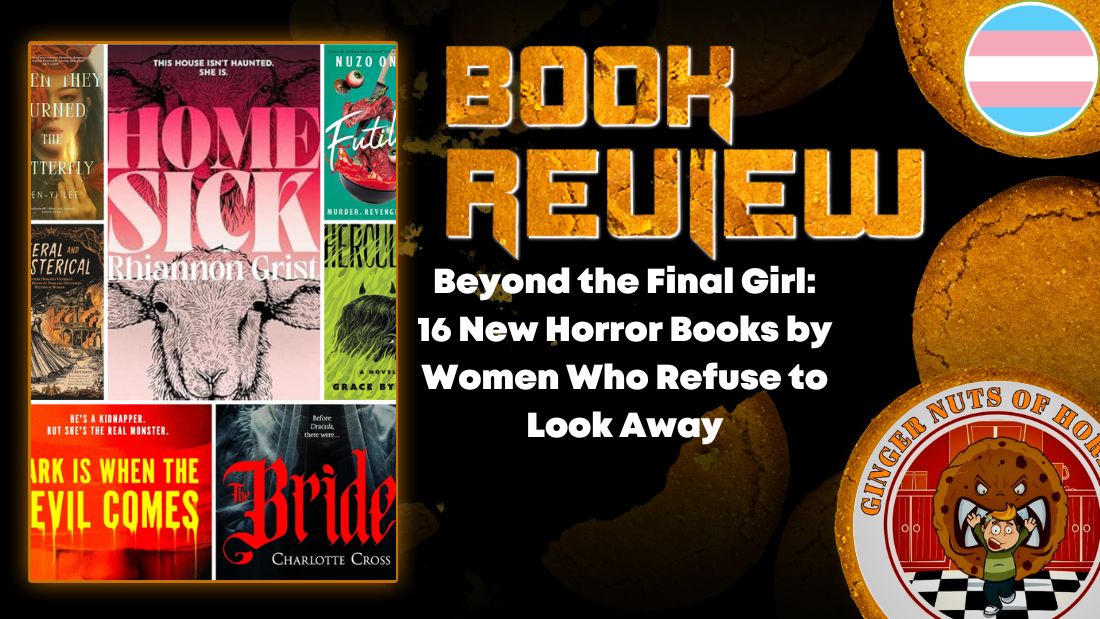
Beyond the Final Girl: 16 New Horror Books by Women Who Refuse to Look Away
We spend a lot of time talking about who dies in a horror story. The trope list is long: the first to have sex, the one who runs upstairs instead of out the front door, the sceptic. For decades, the commentary centred on the “Final Girl,” the one left standing to face the monster in the third act. But a more interesting conversation is happening now, not about who gets the axe, but about who is holding it. Better yet, who is writing the rulebook for the entire nightmare?
If you scan the landscape of contemporary speculative fiction, a clear pattern emerges. It is not just that women are writing horror; they are re-animating it. They are dragging the genre out of the dusty cabin in the woods and forcing it to confront the modern world. The result is a body of work that is less concerned with jump scares and more interested in the slow, creeping dread of societal collapse, personal trauma, and identity.
Sadie Hartmann, the Bram Stoker Award-winning critic known as Mother Horror, recently published Feral and Hysterical, a guide dedicated entirely to this phenomenon. The title itself is a reclamation. It takes the words used to dismiss female emotion and reframes them as sources of power. For anyone paying attention, 2025 and the coming months feel like a golden age for this specific kind of storytelling. The voices are diverse, the perspectives are fresh, and the scares are deeply, uncomfortably human.
Here are ten modern horror books from the last twelve months (or the next twelve) by women and female-identifying authors who are proving that the genre is in very good hands.
If any of these books takes your fancy, click on the cover images to purchase a copy
Beyond the Final Girl: 16 New Horror Books by Women Who Refuse to Look Away
(Yeah 16 is an odd number to land on but I ran out of time)
Futility by Nuzo Onoh
Publisher : Titan Books
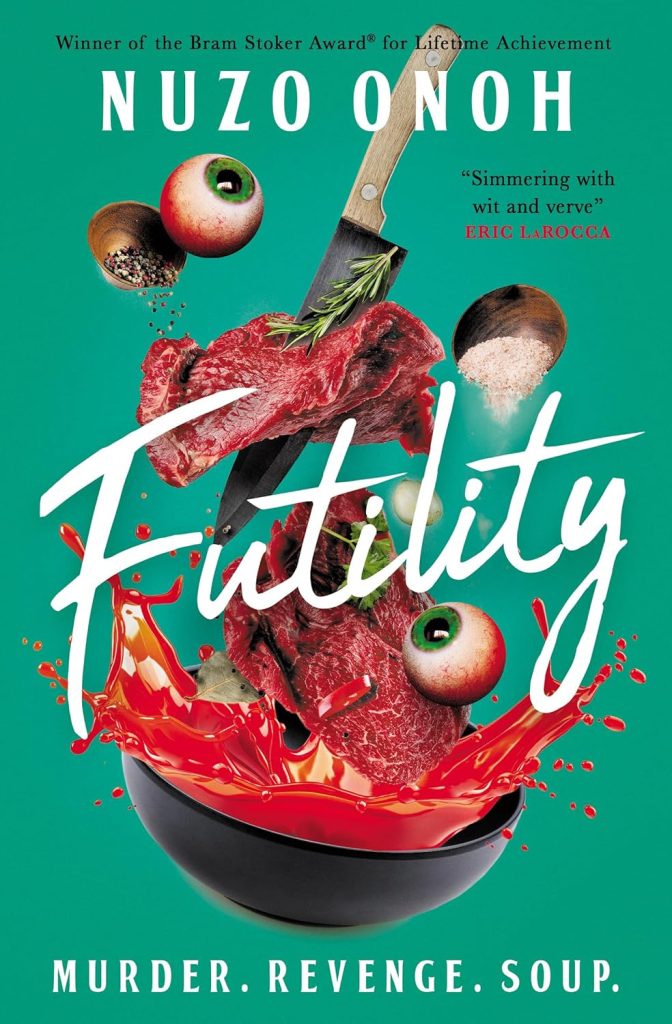
If you have not read Nuzo Onoh yet, you are missing the bridge between worlds. Hailed as the “Queen of African Horror,” Onoh brings Igbo cosmology and Nigerian culture to the forefront of her narratives. Her recent release, Futility, is a bitingly funny and gleefully demented tale of revenge. It follows two women betrayed by men, who are offered a gift by a trickster spirit. Chia runs a famous restaurant in Abuja, her pepper soup hiding a secret ingredient. Claire is a British expat consumed by jealousy.
Onoh’s prose reads like a folk tale told around a fire that is definitely burning something it shouldn’t. The writing is rhythmic and direct, but the concepts are layered. She takes the familiar structure of the revenge thriller and fills it with African spirits that feel ancient and unpredictable. Compared to her earlier work, which established the genre, Futility shows a writer letting loose. She trusts her reader to keep up. It is a novel about rage, yes, but also about the absurdity of the patriarchy when viewed through a supernatural lens. You finish it feeling like you have just heard the best, most vicious gossip, if that gossip was delivered by a goddess.
Herculine by Grace Byron
Publisher : S&S/Saga Press
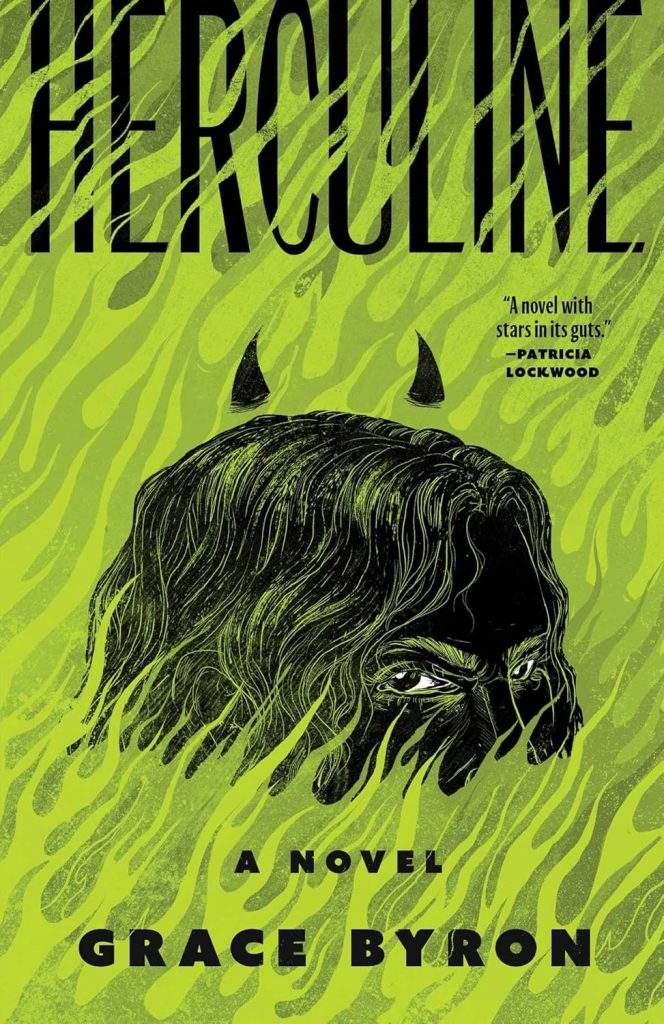
Here is a debut that arrives with the kind of buzz that usually makes a critic sceptical. Ignore the buzz; the book is that good. Herculine follows a trans woman in New York City who is haunted. Not just by the usual demons of conversion therapy and bad jobs, but by actual, tangible sleep paralysis demons that follow her onto the subway. Desperate, she flees to a rural Indiana commune for trans girls, named after the 19th-century intersex memoirist Herculine Barbin.
Reading Grace Byron’s prose is like finding a perfectly preserved Polaroid at a flea market. The image is clear, but the context is unsettling, and you can’t stop staring. The commune feels like a utopia at first, but the paranoia creeps in. Disembowelled pigs, cultish rituals, and silent stares replace the safety she sought. Byron taps into the specific horror of not being safe even among your own. It is a novel about the search for community and the terror of finding out that belonging has a blood price. It fits neatly on a shelf next to Gretchen Felker-Martin’s Manhunt, but Byron’s voice is distinctly her own, blending literary theory with visceral body horror.
When They Burned The Butterfly by Wen-yi Lee
Publisher : Wildfire
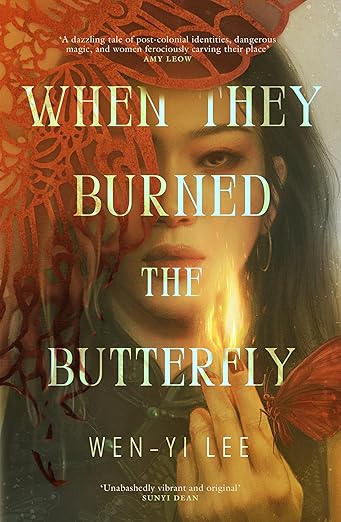
Singapore, 1972. A loner schoolgirl named Adeline can summon flames with her fingers. After her mother dies in a suspicious fire, she finds herself drawn into the world of the Red Butterflies, a gang of girls sworn to a fire goddess who wreak vengeance on abusive men. Wen-yi Lee has crafted something rare here: a sapphic historical fantasy that is also a gangland crime saga.
The novel moves with the energy of a bar fight. It is fast, brutal, and intimate. Lee sets the story against the backdrop of a newly independent Singapore, where secret societies are the last conduit for migrant gods. The magic feels like it is bleeding out of the cracks in the pavement. If you loved the atmosphere of R.F. Kuang’s The Poppy War or the queer intensity of Jade City, this book will grab you by the throat. Lee is interested in the idea that anger, specifically feminine rage, is a resource. It can be hoarded, stolen, or used to burn the whole city down.
Home Sick by Rhiannon Grist
Publisher : Solaris
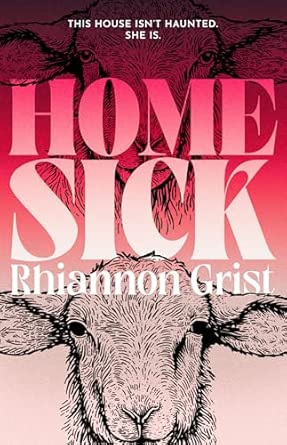
Rhiannon Grist calls her debut novel “cottagegore,” and that is the perfect descriptor. Tamsin, traumatized by a violent incident at work, moves to the Scottish countryside for a fresh start. She expects isolation and healing. Instead, she gets a paper-thin wall separating her from a neighbor with an unnerving smile and a house that seems to breathe against her.
Grist began writing this as a way to exorcise her own pandemic-era fears, and that rawness stays on the page. This is an “anti-Hallmark” book. It rejects the fantasy that nature heals all wounds. In Grist’s world, the countryside is just as dangerous as the city, maybe more so because there is no one around to hear you scream. The prose is tight and claustrophobic, mimicking the feeling of being trapped in a too-small room with your own anxiety. For fans of folk horror like The Witch, but grounded in modern economic despair and burnout.
Rhiannon A. Grist has written a debut novel about the thing we are most afraid to face, the self we carry into every new postcode, dress up in new routines, and still cannot lose, and she has done it with psychological precision, folkloric menace, and genuine literary nerve. The folklore is rigorous, the atmosphere is immaculate, and the emotional intelligence threading through the whole thing elevates this well above standard genre fare. She takes the haunted house, one of horror’s oldest and most exhausted structures, and finds something inside it that still has teeth.
Dark is When the Devil Comes by Daisy Pearce
Publisher : Run For It
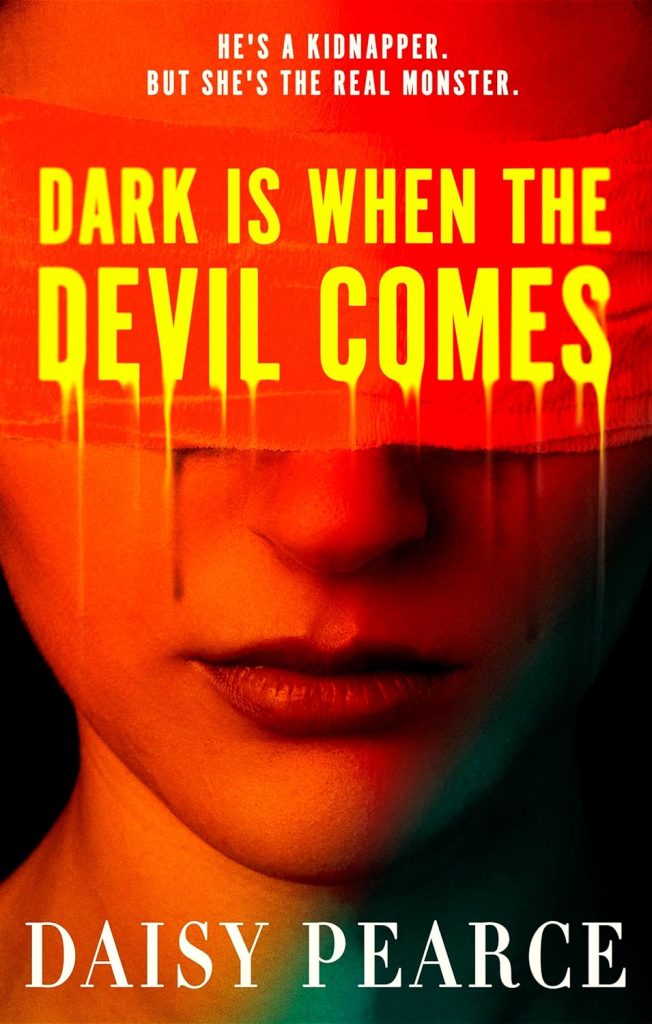
Hazel is a mycologist. She studies mushrooms. After a divorce, she returns home and gets lured to a remote farmhouse by a man promising rare fungi. Surprise: he traps her in the basement. But Pearce is not interested in a simple kidnapping story. As Hazel’s sister and friend search for her, they begin to sense that something darker than a human predator lives in that house.
Pearce has been compared to Stephen King and The Last House on Needless Street, but her style is more visceral. Critics praise her ability to describe smells and sounds so vividly that you feel grimy reading the book.
The novel questions which is more disturbing: the rot inside a person or the evil of other people. It is a blend of psychological suspense and supernatural horror that keeps you guessing which monster is the real threat. The fungal imagery is beautifully disgusting, a reminder that nature is perfectly happy to consume us whether we are dead or alive.
Feral & Hysterical by Sadie Hartmann
Publisher : Page Street Publishing Co.
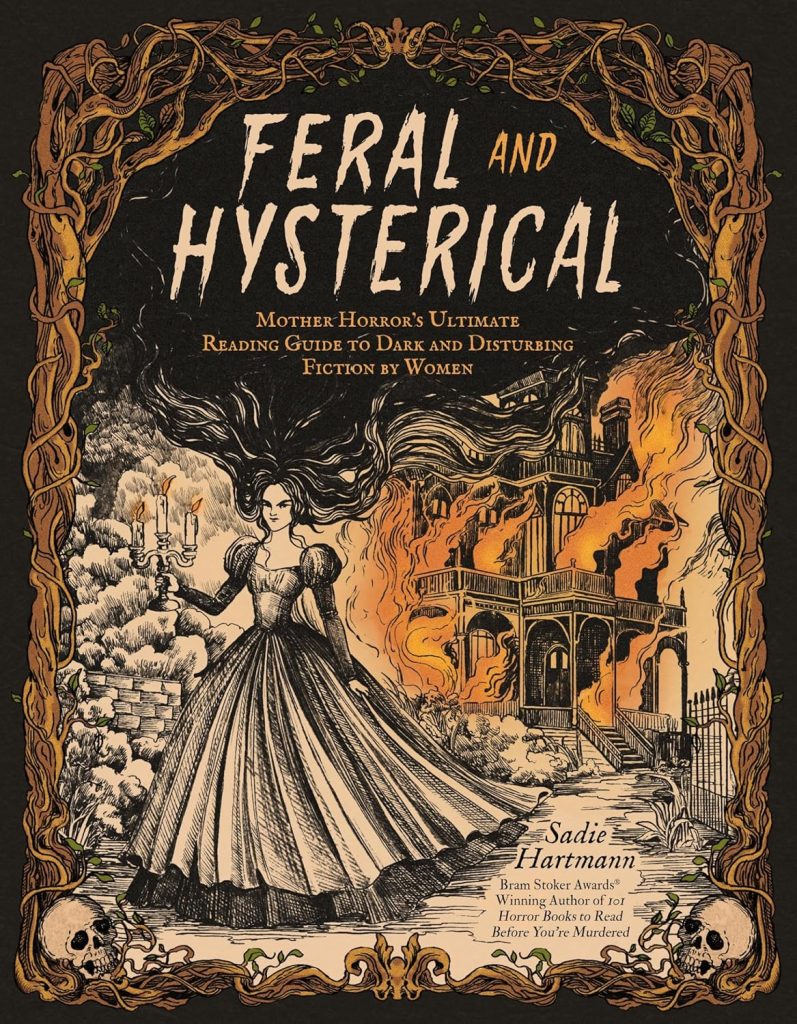
Okay, this one is a bit of a cheat because it is a guidebook, not a novel. But to leave it off this list would be a disservice to anyone looking to diversify their shelves. Feral & Hysterical is Sadie Hartmann’s love letter to the women of horror. It is an illustrated reader’s guide that organizes over 200 recommendations by mood. Gothic Era? Got it. Sporror (like Mexican Gothic)? Covered.
Hartmann writes with the calm confidence of a librarian who has seen it all and wants to share the good stuff. Her voice is inviting, not academic. She provides spoiler-free synopses and themes for each book, making it the perfect tool to break out of a reading slump. It features essays from authors like Alma Katsu and Christina Henry. Think of it as a treasure map. You buy it to find the books on this list, and you stay because Hartmann points you toward a hundred more you never knew existed.
A Game in Yellow by Hailey Piper
Publisher : S&S/Saga Press
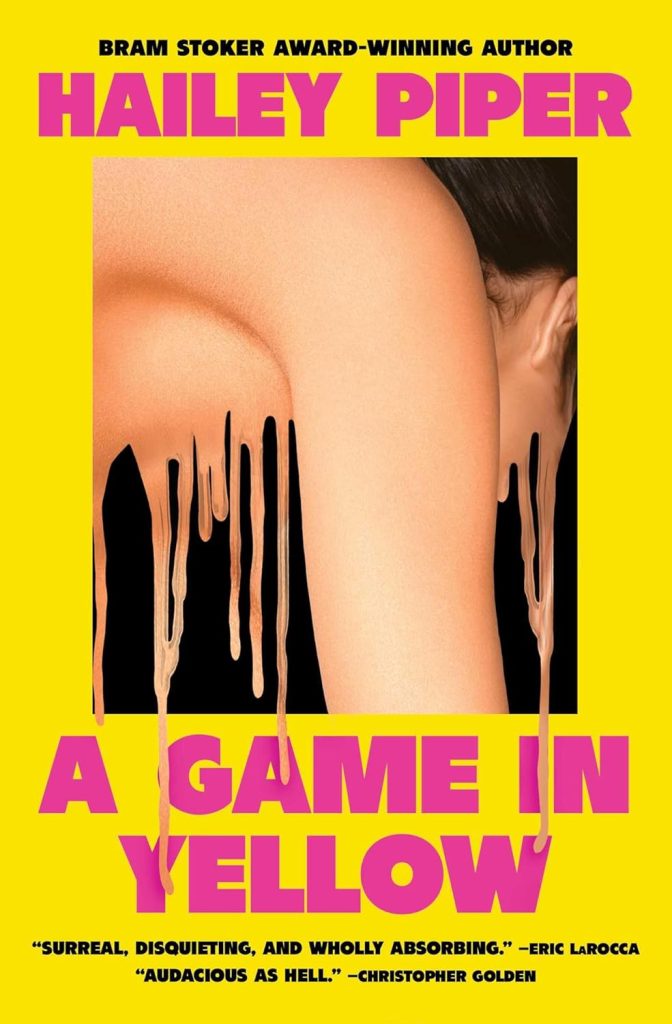
Hailey Piper has become synonymous with cosmic horror that bleeds. Her novellas are consistently gut punches, and her latest novel, A Game in Yellow, is her most ambitious work yet. The premise is deceptively simple. Carmen is in a rut. She loves her girlfriend, Blanca, and they share a deeply committed kink-focused relationship, but Carmen’s libido has flatlined.
She is desperate, terrified that Blanca will leave her if she can’t keep up. To save their dynamic, Blanca introduces Carmen to Smoke, a mysterious woman who offers access to a strange, forbidden play called The King in Yellow. The rules are clear: read a small passage, and you get a rush of “survivor’s euphoria” that reignites desire. Read too much, and you will go mad .
Piper is doing something incredibly smart here. She takes the iconography of Robert W. Chambers’ foundational weird fiction and drags it into the present, not just as a background detail, but as the engine of the plot. The play is treated like a drug, a controlled substance that offers ecstasy at a terrible price . Reading this prose is like watching someone paint with a dry brush—the texture is rough, but the color is undeniable. Piper’s writing is lyrical and rich, creating an atmosphere thick with paranoia where you can’t tell what’s real and what’s a hallucination .
The horror in this novel is not just the cosmic entity leaking through the cracks of the play’s narrative. It is the quiet, desperate terror of losing yourself, of watching your relationship decay from the inside. Multiple reviews praise Piper’s nuanced and thoughtful treatment of the BDSM dynamic between Carmen and Blanca, treating it not as a gimmick, but as a genuine expression of their intimacy . Piper is interested in the queerness of cosmic horror, the idea that to be outside the “normal” order is to be closer to the void, and maybe the void understands you better than the world does. It is a short, vicious, and breathtakingly original read that earns every second of its runtime.
Japanese Gothic by Kylie Lee Baker
Publisher : Hodder & Stoughton
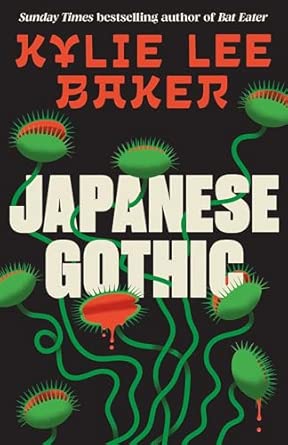
Kylie Lee Baker has established herself as a rising voice in horror, and Japanese Gothic might be her most ambitious work yet. The novel operates across two timelines. In 1877 Japan, Sen is a female samurai training to protect her family after the abolition of the samurai class, watching her father return from war with something wrong behind his eyes. In the present day, Lee Turner has fled to his father’s centuries-old Japanese home after killing his NYU roommate, struggling to remember exactly what happened, struggling to remember anything at all.
The two stories intersect through a door between worlds, and what they find in the creaking old house they share is beyond anything either could imagine. Baker writes with what one critic called “buttery pages that slip through your fingers,” a prose style that is lucid and absorbing even as the narrative becomes deliberately disorienting. Reading this book is like staring at a reflection in disturbed water: the image is there, but it keeps shifting, and you are never quite sure what you are actually seeing.
What makes Japanese Gothic remarkable is how Baker weaves in the Japanese folk tale “The Legend of Urashima Tarō,” using its existential themes to anchor a story about mistakes, how we are haunted by them, and how the land itself remembers the atrocities committed upon it. The novel has earned praise from authors like Chuck Wendig, Alma Katsu, and Monika Kim, with Publishers Weekly calling it “a breathless collision of timelines, cultures, and destinies”. For readers who want their horror to feel like a puzzle box that resists easy answers, this one delivers.
Molka by Monika Kim
Publisher : Brazen
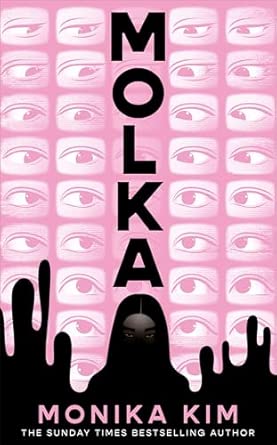
Monika Kim’s debut, The Eyes Are the Best Part, announced her as a writer willing to go to uncomfortable places. Her follow-up, Molka, arriving April 28, 2026, confirms the arrival of a major voice in feminist horror. The title refers to the South Korean epidemic of “molka,” nonconsensual spy camera footage, a crime so widespread and so poorly prosecuted that it sparked protests with hundreds of thousands of women marching.
Kim centers the novel on Dahye, a young woman who thinks she is in love, who thinks she is safe. Instead, she becomes another body to be used and broadcast. The betrayal is complete and public. Her footage goes viral. The men who did it, who come from money, whose fathers call it “boys being boys,” go home untouched. And then something cracks open inside Dahye. Her reckoning is brutal. Her revenge is thorough.
Paul Tremblay called Molka “a harrowing, ghastly, page-turning revenge tale that unflinchingly shines a bright light on the evil of an all-too-real, misogynistic, uniquely 21st century horror”. Ling Ling Huang praised Kim’s ability to confront “our twinned cultures of surveillance and shame”. Reading this prose is like watching a wound being cauterized. The pain is immediate, the smoke acrid, but the alternative is letting the infection spread. Kim writes without moralizing. She shows how deep this sickness runs, how normalized it has become. For every woman who loses her voice, another will speak. For every one silenced, another will scream. Sometimes rage is the only language left.
Wolf Worm by T. Kingfisher
Publisher : Tor Nightfire
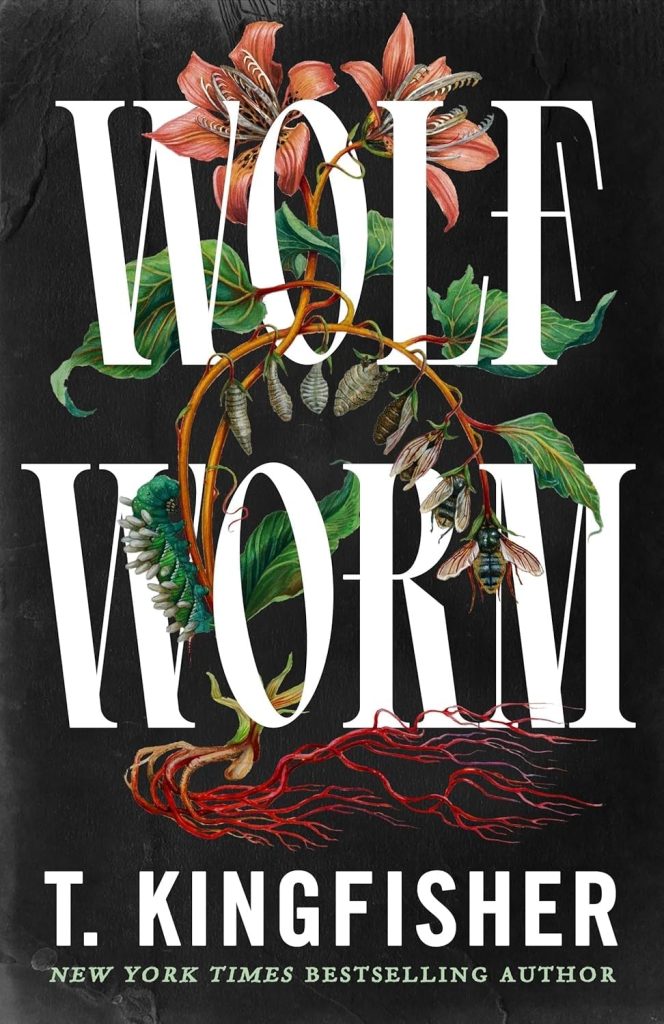
T. Kingfisher, the pen name of Ursula Vernon, has built a career writing horror that balances the grotesque with the deeply human. Wolf Worm, out March 2026 from Tor Nightfire, might be her most unsettling work yet. Set in 1899 North Carolina, it follows Sonia Wilson, a professional science illustrator who takes a position with Dr. Halder, a reclusive and unpleasant entomologist living in an understaffed house in the western part of the state.
The title refers to a common colloquial term for the botfly larva, which burrows under the skin of host animals, creating a pinhole for air, and grows more disgusting as it matures. Kingfisher’s fascination with the odd corners of biology is on full display here. But she never goes for the gratuitous gross-out. Instead, she builds tension slowly, layering local folklore about “blood thieves” and shape-shifters alongside the actual science of parasitology as it existed in 1899.
Reading Kingfisher’s prose is like walking through a forest at dusk. You know something is watching, but you cannot see it, and that is worse than seeing it clearly. The first half of the novel focuses on Sonia’s artwork, the limitations of watercolor and gouache, her uneasy relationship with the imperious Dr. Halder, and her growing bonds with the household staff and a local wise woman. But once the pace accelerates and the true nature of Halder’s research becomes clear, those who came for the horror will not be disappointed. Publishers Weekly called it “as gruesome as it is un-put-downable”.
On Sundays She Picked Flowers by Yah Yah Scholfield
Publisher : Solstice Books
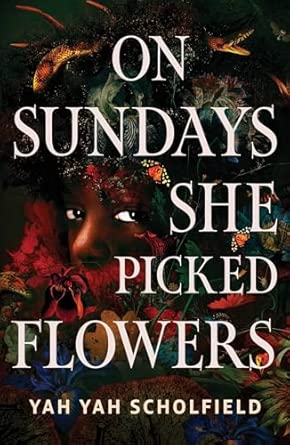
Yah Yah Scholfield, a queer Black writer from Atlanta, has crafted a debut novel that defies easy categorization. On Sundays She Picked Flowers follows Judith “Jude” Rice, a middle-aged woman who has just committed matricide, ending more than forty years of abuse at the hands of her mother Ernestine. She flees into the Okefenokee swamps of Georgia, drawn to take up residence in an abandoned plantation home haunted by ghosts and haints from its own violent history.
The house, which Jude names Candle, slowly comes to accept her, sensing a kindred wildness. More than a decade of healing from past traumas is upended when Jude and Candle are joined by Nemoria, a mesmerizing stranger with secrets and horrific hungers of her own. What follows is a narrative rooted in the dark magic of Southern gothic and Afro-gothic traditions, unfolding as a modern fairytale, equal parts ghost story and love story.
Scholfield writes with lavish descriptions of natural wonder and beauty, balanced against gory body horror that does not flinch. The novel’s pronouncement that we are more than just what happens to us is a message that is both timely and timeless. Reading this prose is like wading through swamp water that reflects the stars. It is murky, yes, but the sky above is clear, and the light catches on things you did not expect to find beautiful. For readers who want their horror to leave room for hope, who want found family narratives woven through with genuine terror, this one earns its place on the shelf.
The Brides by Charlotte Cross
Publisher : Tor Nightfire
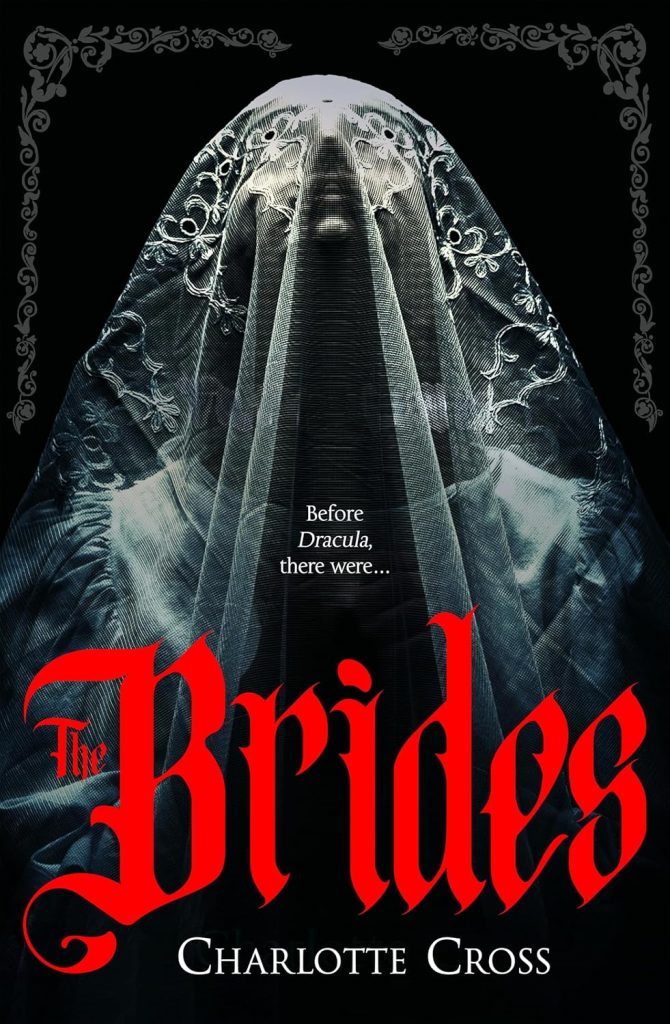
Charlotte Cross takes on Bram Stoker’s Dracula with The Brides, a sapphic reimagining that gives voice to the women who, in the original novel, were little more than set dressing. Published March 19, 2026, by Tor Nightfire, the novel follows three women: Mafalda, traveling to Budapest to care for her grieving aunt; her secret love, Lucy, who hurries from London to comfort her; and Alice, Lucy’s lady’s maid, who is cursed and blessed with the Sight.
When their chaperone, Eliza, falls prey to a disturbing wasting illness, the women hope to seek the healing waters of Transylvania. At a nobleman’s invitation, they set out for Castle Dracula. In the depths of the forest, miles from civilization, their host reveals his true intentions, a monstrous ambition that will tear the women apart. Not all of them will survive.
Cross writes in an epistolary style, paying homage to Stoker’s structure while forging new ground. Johanna Van Veen called it “Dracula‘s worthy successor: a gothic, sapphic epistolary novel that thrills, chills, and delights in equal measure”. Reading this prose is like drinking wine from a cup you know is poisoned. It is smooth, seductive, and the dread builds with every swallow. For readers who love Carmilla, who have always wondered about the brides in the castle, who want their historical horror threaded through with devastating romance, this one delivers.
Wife Shaped Bodies by Laura Cranehill
Publisher : S&s/Saga Press
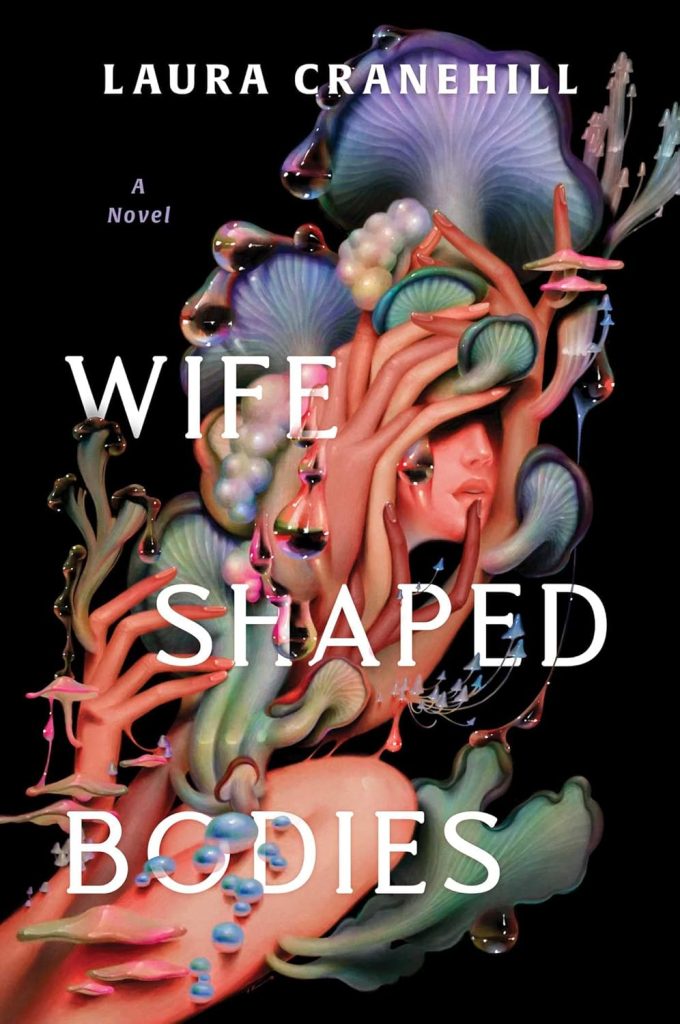
Laura Cranehill’s debut novel arrives April 14, 2026, with a starred review from Publishers Weekly and comparisons to Jeff VanderMeer and Agustina Bazterrica. The premise is immediately arresting. Nicole has spent her life in isolation, forbidden from leaving her house from girlhood until marriage. Her only knowledge of the world comes from her mother’s lessons and what she can see from her bedroom window. The women in her village are covered in mushroom growths, taught that these fungi are repulsive and dangerous, forced to conform to rigid rules to protect themselves and those around them.
When her wedding day arrives, Nicole moves from one prison to another: an empty mansion on the very outskirts of town belonging to her husband Silas, a man she has been promised to since birth. She haunts the edges of his decaying home, her transforming body increasingly beyond her control. Then another wife, rebellious and strange, pays Nicole an unexpected visit. Something cracks open. Their furtive explorations unearth the long-buried secrets of generations of resentful brides who came before.
Cranehill writes what Booklist called a “mesmerizingly immersive, atmospheric, and unsettling” tale. Reading this prose is like watching mold bloom across a photograph. The image underneath is still there, but something new is growing over it, something that has its own kind of terrible beauty. Ling Ling Huang praised the novel as “a gorgeous and terrifying ode to the natural world without and within, and what it might mean to forsake manmade communities in search of other ways of entanglement”. For readers who want their body horror ecological, their feminist rage fungal, this one is essential.
This House Will Feed by Maria Tureaud
Publisher : Kensington Publishing
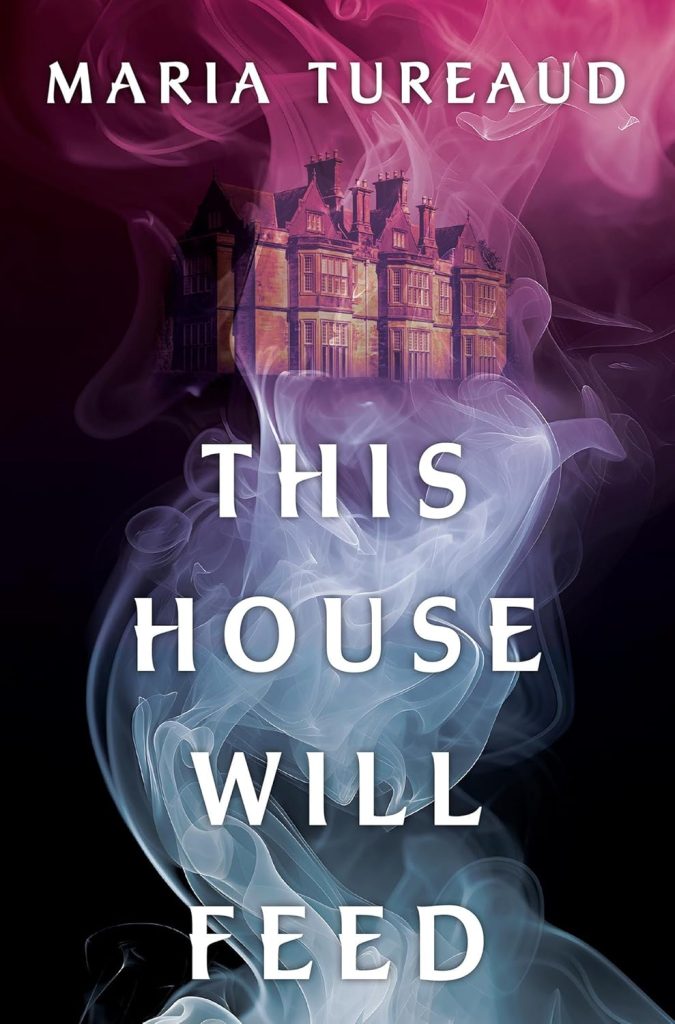
Maria Tureaud’s novel is not an easy read. The book begins with a lengthy trigger warning, and that warning should be taken seriously. This House Will Feed is set during the Irish Potato Famine, following Maggie O’Shaughnessy through a landscape of starvation, displacement, and the calculated indifference of the British Empire. The opening depicts sibling cannibalism. It only gets bleaker from there.
But bleakness is not the same as emptiness. Tureaud weaves Irish folklore through the historical horror, giving the narrative a supernatural dimension that both tempers and amplifies the real-world atrocities it depicts. The reviewer at Pending Plays called transportation, that feeling of being pulled into a narrative, Tureaud’s greatest strength, comparing the experience to reading Margaret Atwood’s The Handmaid’s Tale for the first time.
Each chapter opens with an epigraph drawn from historical sources: newspaper clippings, speech excerpts, the recorded words of those who watched Ireland starve and called it natural, called it deserved, called it something other than what it was. These fragments reinforce the awful reality of what the British Empire did, along with the contemptuous attitudes of those who had the power to prevent it.
Reading Tureaud’s prose is like pressing your palm against a wound that has not scarred over. It hurts, but you need to know if it is still bleeding. The reviewer gave the novel a perfect score across all criteria and wrote, “When my children are old enough, I will encourage them to read it and I hope you will do the same. I believe we all have a moral duty to remember the atrocities so we can prevent them reoccurring”.
The Curse of Hester Gardens by Tamika Thompson
Publisher : Erewhon Books
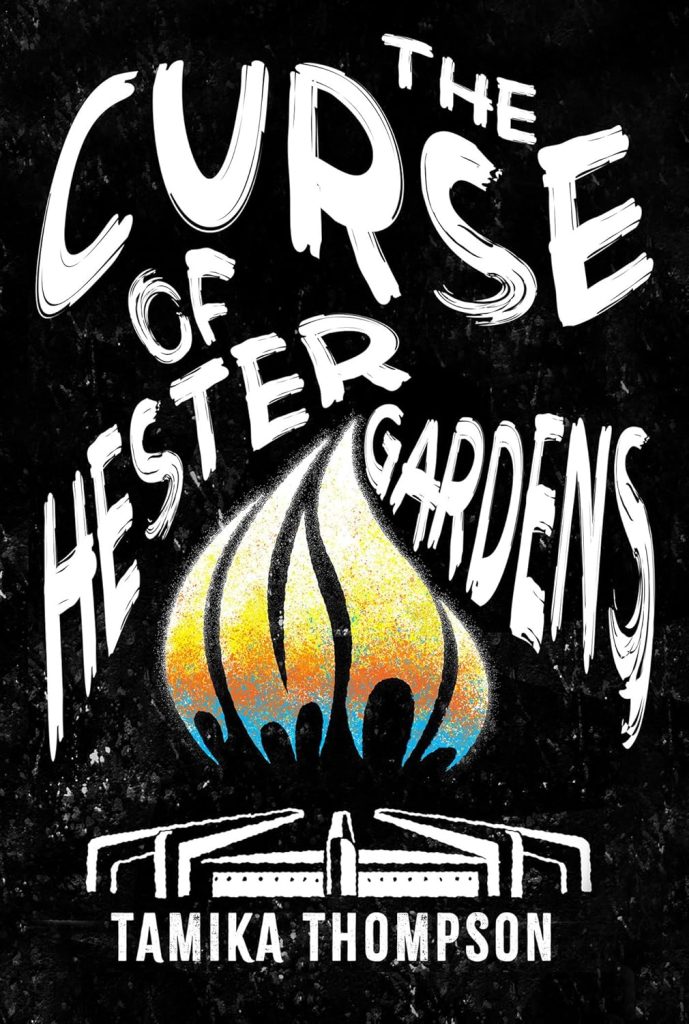
What does a curse look like when it has no single source, no ancestral manor, no cursed object passed down through generations? Tamika Thompson’s debut novel, arriving March 31, 2026, offers an answer. Nona McKinley raised three sons in the Hester Gardens public housing project in Medford, Michigan. Her drug-dealing husband is behind bars. Her eldest son was shot dead at eighteen. Now her second son, Marcus, is a valedictorian headed to an Ivy League school. He is supposed to be the one who gets out.
But Hester Gardens does not let go so easily. Strange sounds echo in empty apartments. Appliances switch on by themselves. Phantom figures appear in the streets and vanish. Marcus becomes moody, secretive, sometimes acting like a completely different person. And Nona carries her own secrets: an affair with the married church pastor, and a worse sin, an act committed in a moment of weakness to protect her family, for which something now seeks revenge .
Thompson writes with the precision of a journalist, which makes sense given her background, and the emotional depth of someone who has lived this. She grew up in a high-crime neighborhood and spent years researching gun violence before writing this book . Reading her prose is like hearing a sermon delivered in a building with a cracked foundation. The words are steady, familiar, but you can feel the structure threatening to give way beneath you.
The horror in this novel is not just the supernatural presence creeping through the walls of Hester Gardens. It is the accumulated weight of systemic neglect, poverty enforced by policy, young lives cut short by violence the larger society refuses to address . Thompson takes the Gothic tradition, with its ancestral curses and inherited trauma, and transplants it to a public housing project. The result forces a question: what is the curse of Hester Gardens if not the damage left behind when a country abandons its own people? .
Nona is a frustrating, fascinating protagonist. She is judgmental, shrouding herself in religion while carrying on an affair. She relies on the men around her, her pastor, her sons, her nephew, to interpret what she herself sees . She mirrors so many mothers who refuse to acknowledge what their children are becoming. But her arc is believable, a woman learning to stand on her own, even if the lesson comes at a devastating price.
This is a book that will haunt you twice: once for the ghosts, and again for the terrible recognition that you have been living alongside this horror your whole life without ever really seeing it . Thompson has earned blurbs from Tananarive Due and a spot on the Women in Horror Book Club’s June 2026 pick list . For anyone who has ever lost someone violently, who feels helpless watching gun violence scroll across the news, this book lands like a gut punch that keeps landing .
The Red Sacrament by Sara Hinckly
Publisher : Titan Books
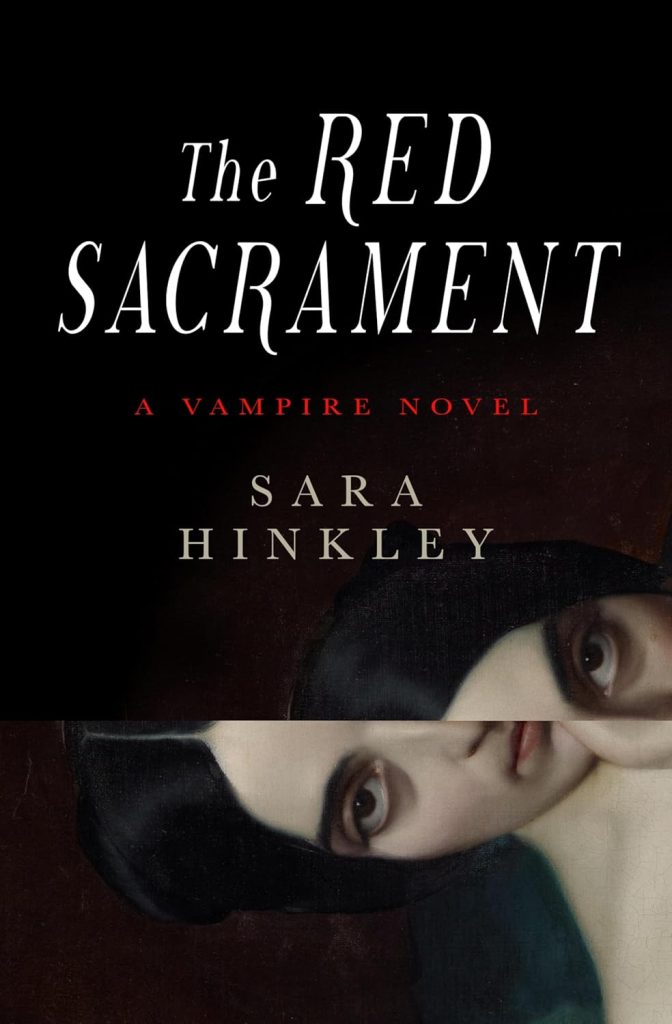
Vampire fiction has a long memory. It carries the weight of Stoker, Le Fanu, and a century of imitators who often sanded down the edges, made the monster romantic in a way that forgot the hunger underneath. Sara Hinckly’s debut, arriving July 7, 2026, remembers. The Red Sacrament is set in Paris, 1869, a city on the knife’s edge of revolt. The Théâtre Saint-Siméon is the place to be, if you can get in. The black slips of paper that guarantee entry are rare, highly desired, given only to certain persons. The actors on stage are magnetic and ageless, performing only at midnight, never seen during the day.
Arnault and his clan of vampires have survived for as long as they have by observing a rigid set of rules. At night, they perform, picking off just enough people from the audience to sustain themselves. They understand the city. They know how to live in it without being noticed. It is a careful, precise existence, the kind that requires constant vigilance and the suppression of anything that might threaten the balance.
Then the balance shatters. A witch named Béatrice arrives and forms a strange connection to Arnault. Soon after, Victor de Rouvray and his sister Françoise appear, vampires from a very different world, with different customs and different hungers. As Arnault grows closer to the beautiful, enigmatic Victor, he risks distraction from the constant bickering of his immortal friends, from the daily running of the theatre, and from the premonitions of blood, death, and starvation that visit him at night.
Hinckly comes to writing from a career in costume design for television, film, and theatre, and that background shows. The Théâtre Saint-Siméon is rendered with the specificity of someone who knows how fabric falls, how light catches on velvet, how a costume can transform a performer into something otherworldly. Reading this prose is like standing in the wings of a stage you are not sure you should be on. The set is beautiful, the actors are mesmerizing, but the machinery backstage is cold and sharp and has no affection for you.
The novel has earned comparisons to Silvia Moreno-Garcia, Laura Purcell, and Elizabeth Kostova. What sets it apart is the historical grounding. The year is not incidental. Revolt and revolution are brewing in the streets, the Franco-Prussian War and the Paris Commune are on the horizon, and the city, like Arnault, will never be the same again. Hinckly understands that the vampire is a creature of the moment between orders, the old world dying, the new world not yet born. For readers who want their historical horror rich with atmosphere, their vampires complicated and dangerous, and their romances threaded through with genuine risk, this one belongs on your shelf.
Final Thoughts
We should all be reading more horror from women because they understand that the monster is rarely under the bed. It is in the history books. It is in the kitchen. It is in the mirror. They write about the body as a site of terror and transcendence. They write about the home as a place that can kill you just as easily as the street. They write about grief, rage, and desire with a clarity that is often too bright to look at directly.
But reading is not a passive act. Not really. Every time you pick up a book by Nuzo Onoh or Tamika Thompson, you are casting a vote. You are telling publishers that stories rooted in Igbo cosmology matter, that a gothic curse set in a public housing project deserves the same marketing push as another haunted house novel. When you pre-order Hailey Piper or Sara Hinckly, you are telling bookstores that queer cosmic horror and vampire fiction written by a costume designer have an audience. When you request these titles from your local library, you are ensuring they stay on shelves long enough for the next reader to discover them.
This is how change happens. Not with one splashy bestseller, but with a thousand small decisions. The women on this list represent a fraction of what is out there. Sadie Hartmann’s Feral & Hysterical will point you toward hundreds more. Follow the threads. Read the authors who blurbed the authors. Pay attention to small presses like Titan Books, Tor Nightfire, and the independent houses taking chances on debuts.
The horror genre has always been a place for the outsider to speak. The monster was never just a monster. It was the fear of what lurked outside the village, yes, but also the fear of what the village itself was capable of. Women writing horror today understand that double vision. They know that the scariest thing about a haunted house is not the ghost in the attic, but the architecture of silence that kept the family trapped there for generations.
So do not just read these books. Talk about them. Hand them to a friend. Argue over which one wrecked you the most. Keep the conversation alive. Because the women writing horror right now are not waiting for permission. They are building their own tables, setting their own plates, and they are leaving a seat for you.
So, look away if you must. But the book in your hands will still be there when you get brave enough to turn the page.