

A life lived at the edges, where the only way out is further in.
Jasper Bark Interview: The Horror Writer Who Became the Story – Part 1

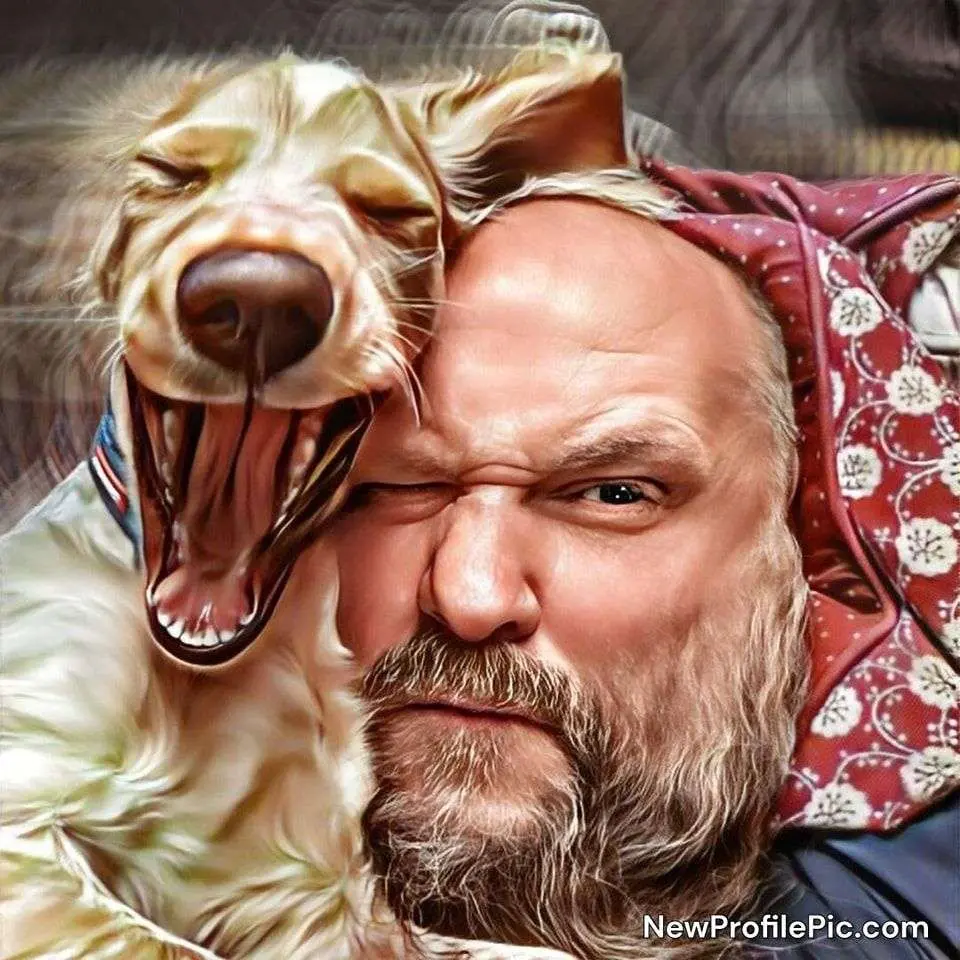
A horror writer’s biography usually reads like a dust jacket afterthought, a few tame lines about cats and teaching jobs. With Jasper Bark, the life and the work bleed together so completely it’s hard to tell where one ends and the other begins. He has described himself as the son of two river gypsies who settled in northwest England, and that rootless, outsider origin seems to have primed him for a genre that is, in his words, “perennially outside the mainstream.”
Horror fiction might occasionally be granted a temporary pass into respectability, he says, but “their sullen looks, black clothing and propensity to violence mean they’re quickly chased out.” The same could be said of Bark himself, whose career arc includes getting sacked from a cable TV job for producing a banana from his trousers on air, turning a civic bonfire night into a mass protest, and nearly being shot by Rupert Murdoch’s bodyguard at a wedding. Each anecdote reads like a set piece from a novel no one would believe was based on real events.
This is the first half of a two-part interview with Jasper. In this instalment, he traces the line from his early years as a dropout kid in a blue-collar town, who read voraciously and felt like an outsider in two cultures at once, to the moment he realised horror was his natural language. We talk about Mary Shelley’s Frankenstein, which he calls “the ultimate tale of outsider-hood,” and the way his marriage to a granddaughter of the Duke of Montrose gave him a startling vantage point on class in Britain.
The collision of river gypsy roots with European aristocracy, he explains, gave him a perspective few writers can access. His father, a lifelong union man, was less than thrilled. Bark’s answers are candid, funny, and built from a lifetime of forcing himself into corners so the only way out is to make something new.
Then I ask him the question that stops the conversation cold: given everything that has happened to him, is it possible he is simply a horror story that has become self-aware and is now writing itself? He doesn’t answer it here. That moment, and what he reveals next, belongs to part two.
Jasper Bark Interview: Outsider Horror and Real-Life Mayhem – Part 1

You describe yourself as the son of two river gypsies who settled in the north-west of England. How much did that background, growing up outside the mainstream, shape the kind of stories you were drawn to tell? You dropped out of school at sixteen. Looking back, do you think formal education would have made you a better writer, or did the school of hard knocks serve you better?
That’s a great question. I think one of the attractions of horror as a genre, is that it seems to be perennially outside the mainstream. Occasionally, certain films or books in the genre are allowed under the mainstream umbrella for a few years, but they’re not allowed to stay for very long. Their sullen looks, black clothing and propensity to violence mean they’re quickly chased out.
So the genre itself has an outsider status and this appeals to people who consider themselves outside of the mainstream. Many horror stories explore what it means to be an outsider and the social tensions that surround that. They explore our fears of becoming an outsider and the fears we have of outsiders themselves. The first recognizable horror novel, Mary Shelley’s, Frankenstein is the ultimate tale of outsider-hood and may never be bettered in this regard.
Sometimes, being raised in two cultures simultaneously, the culture you inhabit at home, and the culture at large, can make you feel like an outsider in two cultures at once. Especially if you’re one of those Groucho Marx adherents who could never be part of a culture that would have you as a member.
I hadn’t really thought about this before you asked, but you’ve made me realize that the outsider status I felt, within two cultures, probably explains why I’m so drawn to horror as a genre.
I think my problem with formal education was that it didn’t let me devote my energies to the creative things that I really wanted to be doing. From the earliest age, I’ve always been obsessed with writing and performing. Any other activity, such as going to school or earning a respectable living, was at best an unavoidable chore to me, and worst an impediment to what I should really be doing with my time.
Growing up in a blue collar town, I was never encouraged to be creative in any way, either at school or outside of it. It was something I always drove myself, something I tried to get away with. I don’t think I saw any creative outlets in further education. So I decamped.
On the other hand, I have been a voracious reader my whole life. Research is a major part of all my work. I subscribe to a variety of academic journals and many of my friends work in academia. I don’t know if I would have been a better creative writer if I’d had a formal education, but being a creative writer has, conversely, given me a better appreciation of formal education.
You ran away as a teenager, hoping to find a circus, and ended up in repertory theatre instead. Was that a disappointment at the time, or did you quickly realise that theatre was its own kind of circus?
I think I was secretly quite glad I never found the circus and stumbled into the field where the traveling actors were carousing. I may have missed out on a torrid affair with a trapeze artist or a buxom bearded lady but looking back I regret nothing.
In the late 80s, when I began working in theater, as a callow 18 year old, everyone in independent and regional theatre was learning circus skills. It was something you did between roles to earn a few pennies on the street or to get into festivals free. This said, I have no talent whatsoever for juggling, breathing fire or riding flaming unicycles along high wires. The fact that I ever charged people to see me do these things, just shows I was born with unnaturally high levels of chutzpah.
Your theatre career came to a spectacular end when you turned Carlisle’s Bonfire Night celebration into a mass political protest and got yourself banned from working anywhere in the north-west of England. Most writers have a story about burning bridges early in their career, but most of them are metaphorical. How do you top that at a dinner party?
I top all my dinner party repartee with a quick puppetry-of-the-penis performance. This is why I’m the toast of high society (big emphasis on the ‘high’ here).
I’d gone from being sporadically homeless in my late teens, to being part of a thriving co-operative theatre business in my very early twenties. It was close to what I wanted to do creatively, but I think everyone involved in the venture eventually outgrew it. The event caused a scandal in the regional press and the local council, who were funding us, told the co-operative to blame the 18 to 25 year old unemployed, with whom we’d been working, for all the trouble.
When I was presented with the choice of towing the line and saving my livelihood or making a grand principled gesture and defending out work, I think I made the gesture as a way of forcing myself to create the things I knew I ought to be creating.
I can see a bit of a pattern forming here…
You met your wife, Veronica, granddaughter of the Duke of Montrose, during your theatre days, and your father, a lifelong union man, was less than thrilled. How did that collision of worlds, the river gypsy’s son and the aristocracy, influence the class dynamics that run through your fiction?
I’ve been given a unique outsider’s perspective on the class dynamic by dint of birth, marriage and profession. I come from a working class background but I work in a middle class profession and my in laws are European aristocracy. I’ve been exposed to society at all levels, from the richest to the poorest, at home and abroad. And I’ve never failed to disgrace myself at every level.
This perspective, and the insights it’s given me, are what have principally influenced any take on class that my work has.
You were sacked from a cable TV presenting job for producing a banana from your trousers while live on air. In hindsight, was it worth it?
If we go back to the pattern of behavior I’ve mentioned in my previous answers, I think this is another example of me forcing myself into a corner so I only have one option left – be more creative. Being a film and music journalist and presenting cable TV were glamorous jobs, they paid well, but the only things I was creating were responses to other people’s work and I was beginning to get very dissatisfied with that. Instead of reaching for some kerosene and a match, I reached for a banana which just happened to be stuck in the front of my trousers.
I’ve always pushed at the boundaries of what I can get away with, in every job. Up to the day before the banana broadcast, the Southend Gangster who ran the cable channel, loved what I was doing. Loved watching me while I recorded and laughed his head off. Then, for some unknown reason, he took against the banana gag. Really took against it.
I think there might have been some investor problems on the day and too big a line of coke up his nose. But when he saw the footage we’d broadcast, he dragged me into his office, flanked by two of his heavies and proceeded to scream at me.
I realised, that he and his henchmen were probably going to give me a kicking, that’s what he threatened and was building up to. Having grown up around violent men, in a violent part of the world, I knew the only chance I had, even though I was only 5’7, was to be just as aggressive back and shout in their faces.
They were surprised enough by this response to buy me the thirty seconds I needed to get out of his office and away from the studio. As I was tearing across the car park to the front gate, my phone rang.
It was a recruiter with a client who was starting up an internet TV channel (all the rage in the early 00s). They needed a writer and presenter for their film show and wanted to know if I was available. This is probably the only time I’ve been offered a job less than a minute after I’ve been fired from one.
I didn’t last long in the new job because I’d started to sell scripts to comics like 2000AD and Warhammer Monthly and was itching to change careers.
You had trousers removed mid-interview by a member of the Buena Vista Social Club and were invited to perform as a live sex act at Manumission in Ibiza. At what point in your journalism career did you realise your life was already more surreal than anything you could invent?

I think I was pushing it in that direction in order to attract the attention of editors, publishers and readers. I was testing the limits of what you could do in journalism and often stepping over them. Which didn’t do me any favors. I needed to find new horizons, where I could get into even more trouble.
You walked away from several lucrative games and work-for-hire contracts to find your own voice; a huge financial risk, especially with a family to support. Was there a moment you thought you’d made a catastrophic mistake?
I think every writer wonders if they’ve made a catastrophic mistake, every time they sit down to face a blank screen and begin a story.
Other than that, I have no regrets.
If anything, it was a catastrophic mistake to stay toiling in the fiction mines for so long as a work for hire hack producing work for licensed franchises.
It also helps that I have a tremendously supportive life partner, who’s not afraid to kick my butt when it’s needed (which is sadly quite frequently). It was actually my wife who suggested I walk away, while I was sitting in a bucket of ice to soothe my oft-kicked butt.
Your author bio describes you as “infectious—and there’s no known cure.” Given your career has included Bonfire Night political riots, on-air banana incidents, Erotic Oscar hosting, and nearly being shot by Rupert Murdoch’s bodyguard at a wedding, is it possible that you are simply a horror story that has become self-aware and is now writing itself?

Dum, Dum Duuum!!!! Tune in next week to find out if Jasper is real or a figment of his and our imaginations!!!!
Harmed and Dangerous by Jasper Bark

A Paranormal Thriller for readers of Stephen Graham Jones, Tananarive Due and Grady Hendrix
Put yourself in Kyra’s place.
You’re seventeen years old, lost and alone in a remote town in Louisiana. You’re searching for the birth parents you never knew. The heat is crippling. The river often floods, washing houses away and lifting corpses from the ground.
The locals treat you with suspicion. You don’t belong here. They’re hiding something. All over town, in nooks and hidden alcoves, there’s evidence of a forbidden faith. They keep the old ways here, but no one will tell you what they are.
There’s an intangible presence following you. Hiding in your peripheral vision. You can’t see, hear or touch it, but you know it’s there, waiting for its chance to claim you.
Then the episodes start.
Your vision goes and when it returns you’re seeing the world as it was fifteen years ago. Physically you’re in the present, but everything you see happened a decade and a half ago.
Suddenly you realize.
You’re seeing through the eyes of the serial killer who murdered your birth mother. He takes control of you, forcing you to watch as he stalks and brutally murders her.
And there’s nothing you can do to stop him. Because he died by lethal injection more than a decade ago.
Proudly represented by Crystal Lake Publishing—Where Stories Come Alive!