
Beyond the Slasher: Why Horror Fans are Flocking to “Gothic-Themed” Social Games
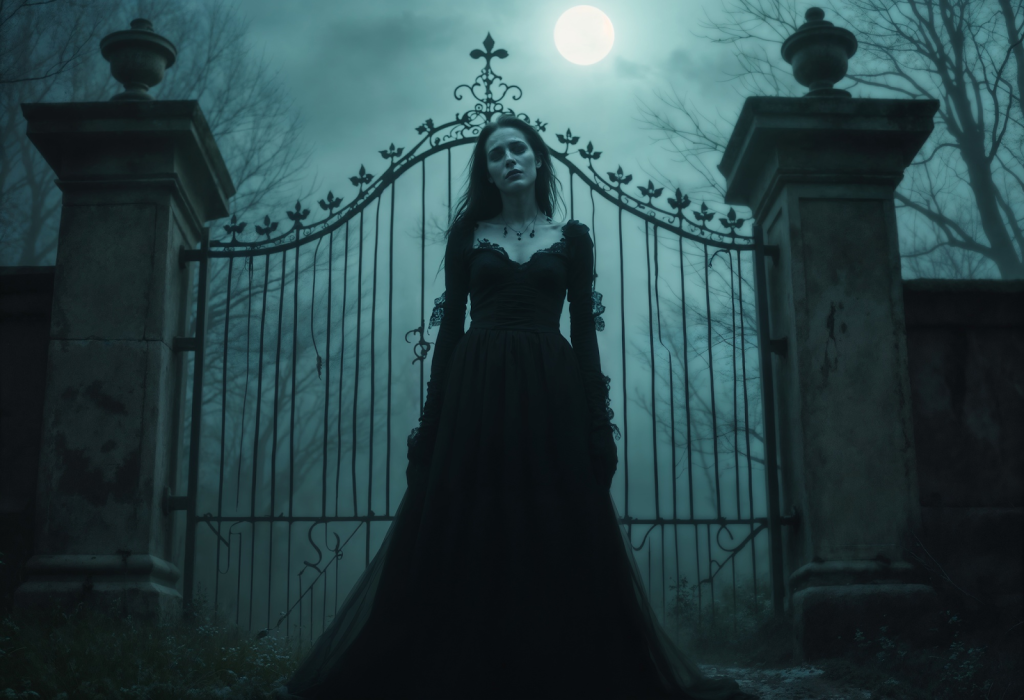
Dark castles, candlelit halls, and velvet shadows now shape a new kind of digital horror. Players gather inside shared worlds filled with mystery, fashion, and storytelling that leans toward beauty and tension. A shift appears as gothic themes move from niche corners into widely shared spaces. But what draws so many people toward these haunting yet expressive game environments?
Platforms reshape offerings around Gothic demand
Game platforms and social apps steadily refine their content to reflect shifting player interests. Gothic aesthetics now appear across RPGs, fashion apps, and interactive social hubs. Developers introduce darker palettes, layered narratives, and customizable avatars with dramatic flair.
Some platforms also expand into casino-style social environments, blending classic games with casual digital play. Visual design leans toward ornate textures, stylized gothic themes, and dim lighting, while gameplay remains accessible. New social casinos offer slots, blackjack, roulette, baccarat, and other classic games to another level. Players can play without any pressure – and, at selected platforms, redeem Sweeps Coins for cash prizes or gift cards.
They bring the best of both worlds, merging casual mobile gameplay with the essence of online casinos. Curated rankings let new players check it out before landing on the site that offers them the best experience.
Expert reviews guide players through welcome promotions, redemption rules, and interface design. Each platform receives testing for usability and clarity. These curated lists support informed decisions while highlighting environments with smooth gameplay.
Immersive atmosphere shapes emotional connection
Gothic social games place atmosphere at the center of player engagement. Dim lighting, towering architecture, and intricate designs create a sense of depth. These environments feel alive, so players spend time exploring every detail. Mood replaces speed as the primary focus.
Narratives often explore themes of loss, longing, and mystery. Characters carry emotional weight, while stories unfold gradually through interaction. This slower pacing allows players to connect with the world and its tone. Emotional intensity becomes a key driver of interest.
Traditional slasher horror relies on sudden threats and visual shock. Gothic games instead highlight tension through silence and visual storytelling. That approach supports a deeper connection with the setting. Players remain engaged through curiosity and atmosphere.
Social interaction builds shared gothic spaces
Social features transform these games into communal environments. Players gather in virtual spaces that reflect the Gothic style, from castles to shadowy streets. These shared settings encourage communication and collaboration. A sense of belonging grows within these themed worlds.
Customization tools allow players to design outfits and avatars inspired by gothic fashion. Dark makeup, vintage clothing, and dramatic accessories appear frequently. These creations often move beyond the game through social media sharing. Visual identity becomes part of a wider cultural exchange.
Community-driven trends shape how players interact with the genre. Gothic dress-up features inspire creative expression and competition. Players showcase designs, while others respond with their own interpretations. This cycle strengthens engagement and builds a recognizable aesthetic culture.
Personalization and creativity drive long-term appeal
Creative control plays a central role in the popularity of gothic social games. Players shape their avatars, environments, and even story paths. This level of control supports individuality within a shared framework. Each player crafts a distinct identity.
Design elements draw from gothic, punk, and vintage influences. Players combine these styles to form unique visual statements. Personal spaces, such as virtual rooms, reflect these choices through decor and layout. The result feels tailored and expressive.
Customization extends into gameplay systems as well. Some games allow players to influence narrative outcomes through decisions. Others provide tools for designing scenes or interactions. These features keep players engaged over extended periods.
Interactive storytelling expands the horror format
Gothic social games integrate storytelling with player action. Players take part in unfolding narratives, shaping outcomes through choices and interactions. This approach creates a sense of agency within the story. The line between observer and participant becomes fluid.
Role-playing elements appear frequently, especially in themed RPGs and battle royale formats. Players step into characters with complex motivations and backgrounds. Stories explore moral ambiguity and emotional conflict. These themes add depth to the gameplay.
Several well-known titles highlight this approach
- Bloodborne presents a city shaped by decay and cosmic mystery
- Castlevania: Symphony of the Night features an interconnected gothic castle
- Hollow Knight uses environmental storytelling within a haunting underground world
- Vampire: The Masquerade explores identity and internal struggle in a dark society
Each example demonstrates how setting and narrative work together. Players engage with the environment as part of the story. This integration strengthens immersion and long-term interest.
Aesthetic identity sets gothic games apart
Gothic-themed games stand out through their distinct visual language. High contrast lighting, ornate structures, and detailed textures define the style. These elements create a recognizable identity that differs from other genres. Players identify these traits immediately.
Art direction often draws from historical influences, including Victorian architecture and medieval design. These references blend with fantasy elements to form unique worlds. The result feels timeless, existing outside a specific era. This quality enhances the sense of mystery.
Sound design supports the visual atmosphere. Ambient music, echoing footsteps, and subtle environmental sounds reinforce the mood. These details contribute to a cohesive sensory experience. Players remain engaged through sight and sound, working together.
Why gothic social games answer the shift in horror
Interest in gothic social games reflects a broader change in how horror content evolves. Players seek depth, interaction, and creative expression within digital spaces. Gothic themes provide a framework that supports all three elements. This combination attracts a wide audience.
Shared environments allow players to connect through a common aesthetic. Personalization tools encourage individuality, while social features maintain community engagement. Narrative systems add emotional layers that extend beyond visual design. Each component contributes to sustained interest.
This shift moves horror away from passive viewing and toward active participation. Players shape their own stories, environments, and identities within these worlds. Gothic social games offer a space where atmosphere, creativity, and connection exist together.
Beyond the Slasher: Why Horror Fans are Flocking to “Gothic-Themed” Social Games
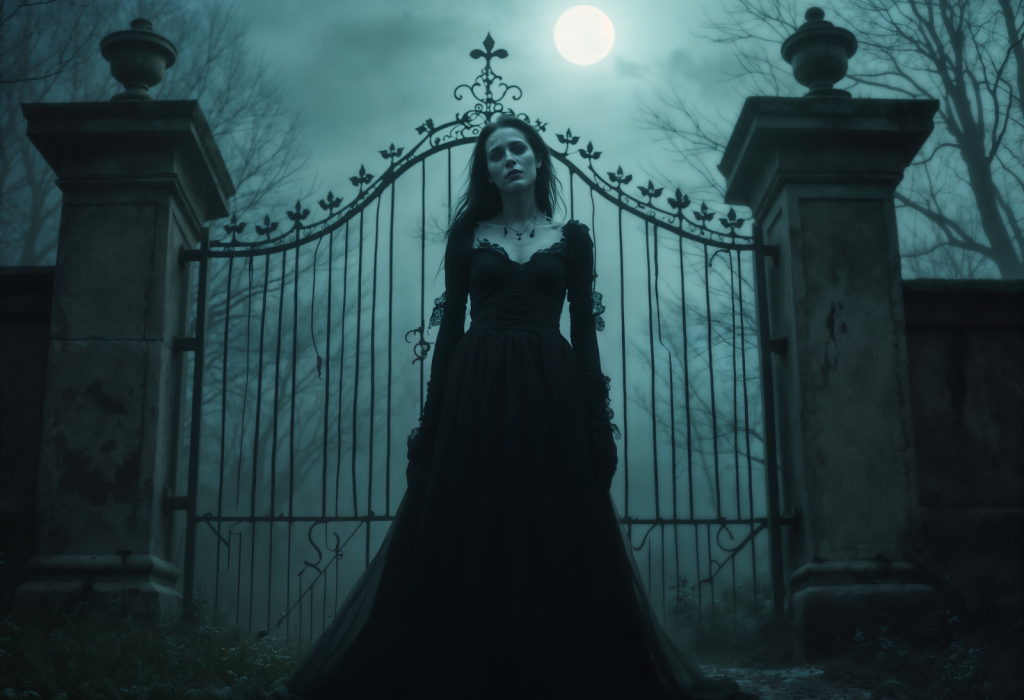
Dark castles, candlelit halls, and velvet shadows now shape a new kind of digital horror. Players gather inside shared worlds filled with mystery, fashion, and storytelling that leans toward beauty and tension. A shift appears as gothic themes move from niche corners into widely shared spaces. But what draws so many people toward these haunting yet expressive game environments?
Platforms reshape offerings around Gothic demand
Game platforms and social apps steadily refine their content to reflect shifting player interests. Gothic aesthetics now appear across RPGs, fashion apps, and interactive social hubs. Developers introduce darker palettes, layered narratives, and customizable avatars with dramatic flair.
Some platforms also expand into casino-style social environments, blending classic games with casual digital play. Visual design leans toward ornate textures, stylized gothic themes, and dim lighting, while gameplay remains accessible. New social casinos offer slots, blackjack, roulette, baccarat, and other classic games to another level. Players can play without any pressure – and, at selected platforms, redeem Sweeps Coins for cash prizes or gift cards.
They bring the best of both worlds, merging casual mobile gameplay with the essence of online casinos. Curated rankings let new players check it out before landing on the site that offers them the best experience.
Expert reviews guide players through welcome promotions, redemption rules, and interface design. Each platform receives testing for usability and clarity. These curated lists support informed decisions while highlighting environments with smooth gameplay.
Immersive atmosphere shapes emotional connection
Gothic social games place atmosphere at the center of player engagement. Dim lighting, towering architecture, and intricate designs create a sense of depth. These environments feel alive, so players spend time exploring every detail. Mood replaces speed as the primary focus.
Narratives often explore themes of loss, longing, and mystery. Characters carry emotional weight, while stories unfold gradually through interaction. This slower pacing allows players to connect with the world and its tone. Emotional intensity becomes a key driver of interest.
Traditional slasher horror relies on sudden threats and visual shock. Gothic games instead highlight tension through silence and visual storytelling. That approach supports a deeper connection with the setting. Players remain engaged through curiosity and atmosphere.
Social interaction builds shared gothic spaces
Social features transform these games into communal environments. Players gather in virtual spaces that reflect the Gothic style, from castles to shadowy streets. These shared settings encourage communication and collaboration. A sense of belonging grows within these themed worlds.
Customization tools allow players to design outfits and avatars inspired by gothic fashion. Dark makeup, vintage clothing, and dramatic accessories appear frequently. These creations often move beyond the game through social media sharing. Visual identity becomes part of a wider cultural exchange.
Community-driven trends shape how players interact with the genre. Gothic dress-up features inspire creative expression and competition. Players showcase designs, while others respond with their own interpretations. This cycle strengthens engagement and builds a recognizable aesthetic culture.
Personalization and creativity drive long-term appeal
Creative control plays a central role in the popularity of gothic social games. Players shape their avatars, environments, and even story paths. This level of control supports individuality within a shared framework. Each player crafts a distinct identity.
Design elements draw from gothic, punk, and vintage influences. Players combine these styles to form unique visual statements. Personal spaces, such as virtual rooms, reflect these choices through decor and layout. The result feels tailored and expressive.
Customization extends into gameplay systems as well. Some games allow players to influence narrative outcomes through decisions. Others provide tools for designing scenes or interactions. These features keep players engaged over extended periods.
Interactive storytelling expands the horror format
Gothic social games integrate storytelling with player action. Players take part in unfolding narratives, shaping outcomes through choices and interactions. This approach creates a sense of agency within the story. The line between observer and participant becomes fluid.
Role-playing elements appear frequently, especially in themed RPGs and battle royale formats. Players step into characters with complex motivations and backgrounds. Stories explore moral ambiguity and emotional conflict. These themes add depth to the gameplay.
Several well-known titles highlight this approach
- Bloodborne presents a city shaped by decay and cosmic mystery
- Castlevania: Symphony of the Night features an interconnected gothic castle
- Hollow Knight uses environmental storytelling within a haunting underground world
- Vampire: The Masquerade explores identity and internal struggle in a dark society
Each example demonstrates how setting and narrative work together. Players engage with the environment as part of the story. This integration strengthens immersion and long-term interest.
Aesthetic identity sets gothic games apart
Gothic-themed games stand out through their distinct visual language. High contrast lighting, ornate structures, and detailed textures define the style. These elements create a recognizable identity that differs from other genres. Players identify these traits immediately.
Art direction often draws from historical influences, including Victorian architecture and medieval design. These references blend with fantasy elements to form unique worlds. The result feels timeless, existing outside a specific era. This quality enhances the sense of mystery.
Sound design supports the visual atmosphere. Ambient music, echoing footsteps, and subtle environmental sounds reinforce the mood. These details contribute to a cohesive sensory experience. Players remain engaged through sight and sound, working together.
Why gothic social games answer the shift in horror
Interest in gothic social games reflects a broader change in how horror content evolves. Players seek depth, interaction, and creative expression within digital spaces. Gothic themes provide a framework that supports all three elements. This combination attracts a wide audience.
Shared environments allow players to connect through a common aesthetic. Personalization tools encourage individuality, while social features maintain community engagement. Narrative systems add emotional layers that extend beyond visual design. Each component contributes to sustained interest.
This shift moves horror away from passive viewing and toward active participation. Players shape their own stories, environments, and identities within these worlds. Gothic social games offer a space where atmosphere, creativity, and connection exist together.