
The Thrill of the Risk: The Psychological Link Between Slasher Fans and High-Stakes Gaming
Slasher films and high-stakes gaming draw on the same basic tension. Both place people in situations where outcomes feel uncertain, and each choice carries weight. Horror themes appear often in gaming spaces, from haunted house visuals to masked figures that echo films such as Halloween and Friday the 13th.
The exchange works both ways. Leprechaun 3 set its story inside a Las Vegas casino, placing a slasher villain in a world already shaped by risk and chance. Some players who seek horror-themed platforms take time to research before they commit money. They read detailed feedback, compare features, and study how platforms handle deposits and payouts.
In that process, many look to find the top-rated casino sites here, using reviews written by people who have already made deposits and tested customer support, payment speed, and security standards. The research stage mirrors the logic seen in slasher plots. Characters who pause, assess their surroundings, and check the facts tend to last longer than those who act without thought.
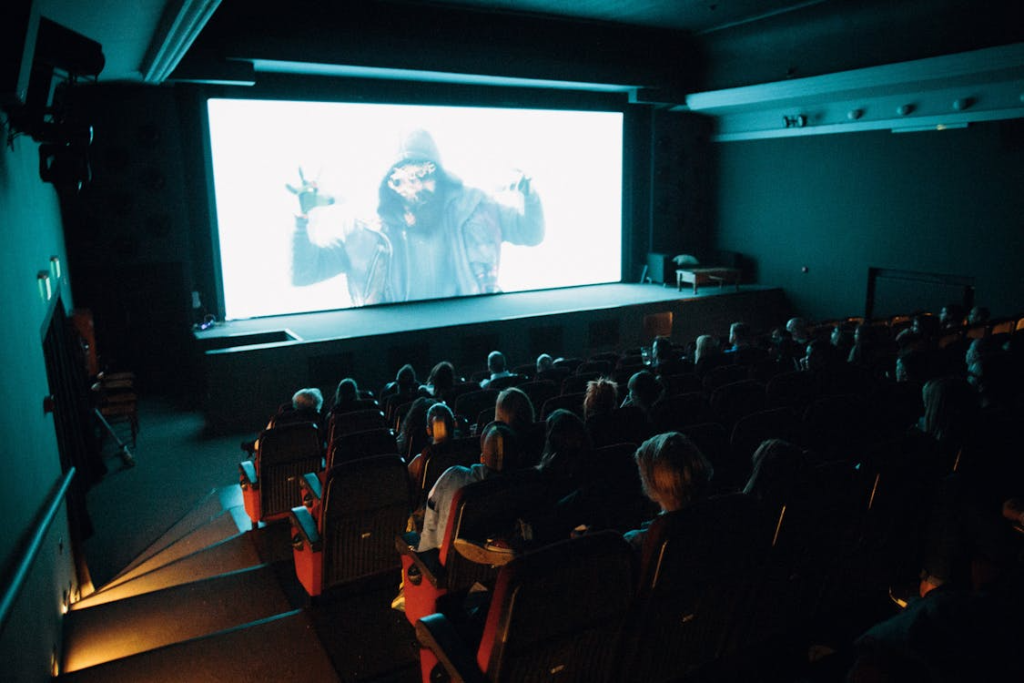
Image taken from: Pexels.com
The Slasher Blueprint: Structure, Survival, and Stakes
Slasher films follow a strict internal logic. The villain is human or once human. The setting restricts escape. A visible body count confirms the threat. The Texas Chainsaw Massacre traps its victims in rural isolation, far from outside help. Halloween keeps its action within quiet suburban streets, which makes each encounter feel closer and more personal.
The tension builds because the audience understands the pattern. Each decision matters. A wrong turn leads to danger. John Carpenter’s Halloween and Sean S. Cunningham’s Friday the 13th defined the late 1970s and early 1980s wave. These films did not rely on chaos alone. They used pacing and repetition. The killer appears, retreats, then returns. That rhythm creates expectation.
High-stakes contests operate with a similar structure. Tournament rounds narrow the field step by step. One error can remove a contender. Both formats depend on elimination, escalation, and survival inside a fixed set of rules that viewers quickly learn to recognize.
The Psychology of Pressure and Anticipation
Tension in slasher films comes from anticipation rather than constant action. Alfred Hitchcock’s Psycho built dread long before the famous shower scene. The camera stayed still. Marion Crane drove in silence. The audience sensed that something had shifted, even before any violence appeared. Wes Craven refined this method in Scream, especially through the phone calls.
The opening scene lasts more than ten minutes before the first on-screen death. Ghostface does not rush. He asks trivia about horror films, corrects answers, and turns a casual conversation into a trap. Each ring of the phone resets the tension. The caller knows personal details, which removes any sense of safety inside the house. The voice stays calm, almost playful, which makes the threat sharper.
High-stakes sports create a similar pause before action. A penalty shootout in a World Cup match slows the stadium to silence. A last free throw in a tied basketball final draws full attention to a single motion. Time seems to stretch. The body reacts with focus and alertness, yet everyone understands the rules and the limits.
That balance between structure and uncertainty explains the connection. Both slasher films and high-pressure contests hold people in suspense before the decisive moment arrives.
Horror Imagery in Risk-Based Environments
Horror themes frequently surface in gaming design. Slot titles based on A Nightmare on Elm Street or The Texas Chainsaw Massacre borrow familiar symbols such as shadowed hallways, chainsaws, and masked figures. These images signal danger without explanation.
Players recognize the reference immediately because slasher cinema has built a shared visual language over decades. The exchange works in reverse as well. Leprechaun 3 used a casino floor as its central backdrop. Bright lights and crowded tables contrast with sudden violence. The setting reinforces unpredictability without changing the slasher formula.
Damien Leone’s Terrifier series shows a similar understanding of spectacle. Art the Clown operates in public spaces filled with color and noise, which sharpens the shock of each attack. Risk-based venues and slasher films both rely on visual contrast. Safe public settings turn unstable. The familiarity of the location makes each threat feel closer and more immediate.
Modern Slashers and Renewed High-Stakes Energy
Recent slasher films place more weight on personal stakes rather than simple survival. Ti West’s X introduced Pearl as an elderly woman whose past dreams never materialized. The prequel Pearl shifted the focus fully onto her younger years. Set in 1918 during the influenza pandemic, the film shows Pearl on an isolated farm where she longs for recognition and escape.
Her audition scene stands out because it carries emotional pressure without immediate violence. She dances with full commitment, aware that rejection will confirm her worst fears. When that rejection comes, the response turns brutal. The danger grows from wounded ambition and isolation, not from random attack.
High-stakes environments outside film reflect similar patterns. A championship boxing match builds tension long before the first punch lands. Fighters study each other during the stare-down. One clean strike can end months of preparation.
Modern slashers echo this structure. Personal limits get tested step by step until a breaking point arrives. The pressure does not rely on noise or spectacle alone. It grows from consequence, timing, and the knowledge that one moment can alter everything.
Controlled Danger and the Search for Limits
Slasher films have never disappeared for long because they offer structured confrontation with fear. The early wave reached a peak in the 1980s, slowed, then returned with renewed force in the 1990s and again in the 2020s. Each revival reflects the same pattern. Audiences test how much tension they can handle within a fictional boundary.
Offline activities mirror this pattern. Escape rooms inspired by horror narratives require participants to solve problems under strict time limits. Haunted attractions recreate scenes that resemble Halloween or The Texas Chainsaw Massacre, placing visitors in staged peril. Competitive sports finals present similar stakes. One play determines victory or defeat after months of preparation. The structure remains controlled, yet the pressure feels immediate.
The psychological link between slasher fans and high-stakes environments rests on measured exposure to risk. People step into tension with clear limits. They study patterns, weigh decisions, and accept consequences within a defined space. That balance keeps both forms of entertainment active across decades.