Scottish Horror Authors: A St. Andrew’s Day Tour of Modern Masters
Forget kilts, Haggis and Sydney Devine, Scotland’s absolute power to scare the living bejesus out of you comes from its rich history of Horror and Gothic authors. This St. Andrew’s Day, while we honour a hardy fisherman saint, let’s wade into the deep, dark waters of Scottish horror. It’s a genre that fits the place perfectly; after all, what are misty glens and crumbling castles if not first-class settings for a good fright? And thanks to a fierce band of modern authors and indie publishers, those ancient ghosts are finding their voice, ensuring the only thing “bonny” about these stories is how brilliantly they haunt you.
C.J. Cooke
Based in Glasgow, C.J. Cooke is a force of nature in contemporary Gothic horror. She’s an academic and an award-winning author whose work consistently weaves together brutal trauma, ancient folklore, and chilling supernatural elements. Her research is impeccable, whether she’s detailing the grim realities of a whaling ship in A Haunting in the Arctic or the tangled magic of The Lighthouse Witches.
In A Haunting in the Arctic, the deserted shipwreck Ormen holds terrors across centuries, from 1901 to the present day, where explorer Dominique uncovers a past “riddled with lies, cruelty, and murder”. Cooke doesn’t just scare you; she makes you feel the deep, human pain that invites the haunting in the first place. It’s shocking, challenging, and excellently written, a story that will imprint on your heart and stay there forever.
The Lighthouse Witches:

Imagine being a single mother tasked with painting a mural inside a remote lighthouse, only to discover it’s less a navigational aid than a prison for ancient, vengeful witches. That’s the premise that hooks you into C.J. Cooke’s masterful The Lighthouse Witches.
The story masterfully intertwines two timelines, following single mother Liv in 1998 and her grown-up daughter, Luna, in the present day, who is searching for her mother and sisters, who vanished from the same lighthouse. Cooke doesn’t rely solely on jump scares; she builds a profound sense of dread through Scottish folklore and the haunting setting of a windswept island.
The novel plays with the idea of found historical documents and witch trial records, making the horror feel unnervingly real. It’s a mind-bending story about the monsters we create from superstition and the more profound terror of a mother’s love confronting the impossible.
Fiona Barnett
An Edinburgh resident, Fiona Barnett brings her background as a historian and podcaster to her dark fiction. She’s a proofreader and independent researcher who writes and presents Past Tense, an in-depth history podcast about the British Civil Wars. This scholarly eye for the past undoubtedly informs her storytelling. Her short fiction has appeared in Haunted Voices: An Anthology of Scottish Gothic Storytelling, and her debut novel, The Dark Between The Trees, is a brilliant piece of folk horror that expertly plays with perspective and the terrifying unknowns of an ancient forest. She knows that the most potent horrors are often those buried in history and landscape.
The Dark Between The Trees
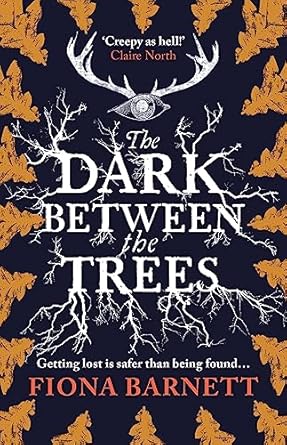
Fiona Barnett’s debut novel is a folk-thriller that uses a dual-timeline narrative to tell the story of Moresby Wood, a place where different times seem to coexist. One timeline follows a group of 17th-century Parliamentarian soldiers; the other follows a present-day team of female academics who enter the wood to discover the soldiers’ fate.
Reviews are mixed but highlight several strengths. The novel’s clever structure and the way its two timelines mirror and interact with each other are frequently praised. The contrasting worldviews of the God-fearing soldiers and the rational, science-led academics provide a compelling dynamic as both groups are stripped down by the woods’ unnatural horrors. The wood itself is a significant success, an atmospheric, threatening presence that feels genuinely unsettling and otherworldly without relying on lengthy descriptions.
An impressive and creative debut with a vividly drawn atmosphere of dread,
David Sodergren
If you’re after grisly, fast-paced, and unapologetically entertaining horror, David Sodergren is your man. He’s a master of the pulp-infused horror novel, with titles like The Haar, Maggie’s Grave, and Rotten Tommy that often leverage Scottish settings and themes to great effect. He delivers exactly what horror fans crave: visceral scares, inventive monsters, and stories that hurtle along without a boring page in sight.
The Haar
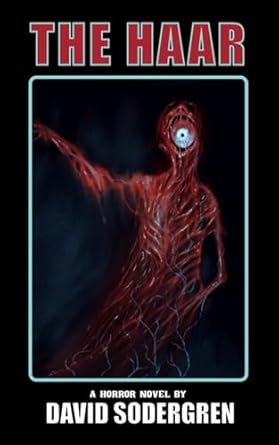
David Sodergren’s The Haar is a glorious, bloody surprise. It starts with a premise that feels almost gentle: an elderly woman living a quiet life in a coastal Scottish village finds a mysterious, semi-human man washed up on the shore. But this is a Sodergren novel, so you know that tranquillity is about to be shattered in the best way possible.
What unfolds is a shockingly tender love story wrapped in a vicious revenge thriller. The novel is a visceral, fast-paced ride that doesn’t shy away from graphic violence, but it’s all in service of a story with a surprising amount of heart. It’s a triumphant tale of reclaiming power, proving that even in old age, you can become a force of nature, especially with a monstrous entity by your side. Perfect for fans of creature features and stories where the underdog bites back. Hard.
Francine Toon
Francine Toon, celebrated for her atmospheric and unsettling work. While technically not Scottish by birth, she is a proud alumna of Madras College in St. Andrews, a credential that, for many locals, counts as a solid claim to a Scottish literary sensibility. It was amidst the mists and history of Fife that her writer’s eye was likely honed.
Toon is an acclaimed poet and a professional editor, but she is best known for her electrifying debut novel, Pine. Published in 2020, the book is a blend of folk horror, a chilling ghost story, and a poignant exploration of a daughter’s grief. Set in a remote Highland community, Pine was instantly acclaimed for its suffocating atmosphere and its authentic portrayal of adolescent girlhood. It was longlisted for the McIlvanney Prize, solidifying her place in the modern Scottish literary landscape, even if by adoption. Through her work, she proves that the stories woven into Scotland’s landscape can be powerfully channelled by those who have truly lived and learned within it.
Pine:
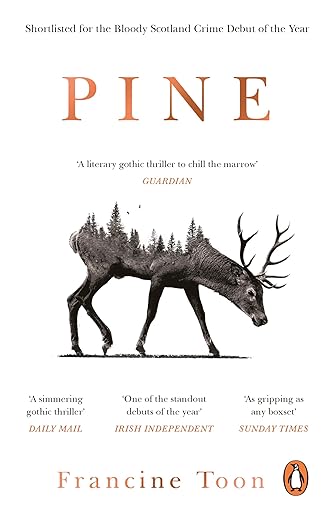
The genius of Pine lies in its quietness. This isn’t a horror of monsters jumping out of closets, but of absences—a missing mother, the silence of a grieving father, and the gaps in a small community’s story. The setting is a character in itself; the damp pine forests and the long, dark nights of the Highlands are so vividly rendered you can almost feel the chill.
Toon uses folklore and local superstition to create a pervasive, unsettling feeling that something is deeply wrong, playing beautifully with the idea of what is real and what is imagined through the eyes of a child. It’s a poignant and haunting exploration of grief and the secrets that fester in isolated places, establishing Toon as a major new voice in literary horror.
Joanna Corrance
Joanna Corrance is an excellent example of the fresh talent emerging from Scotland’s independent publishing scene. Her dark fairy tale, The Gingerbread Man, was published by the excellent Haunt Publishing. This connection places her squarely within a community dedicated to “unease, terror and dread” and to publishing books with “the curse of unputdownability”. Her work exemplifies the modern Gothic and dark fiction that Haunt champions.
The Hamlet
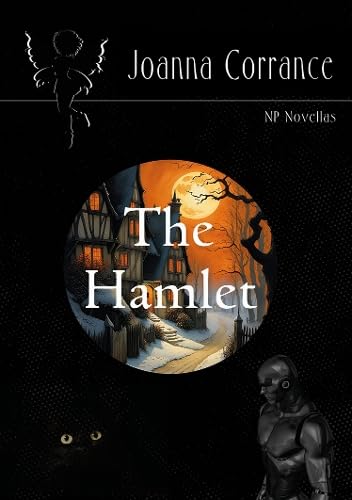
The Hamlet is a mosaic novella set in a small, rural Scottish community after a mysterious apocalyptic event in which screens go blank and people are told to stay indoors. The narrative unfolds through a series of interconnected stories, focusing on an ensemble cast of deeply flawed yet relatable female characters.
A genre-bending masterpiece of “New Weird” fiction. The interconnected tales, which include a woman navigating grief through a bizarre plumbing system, a neglected child with a powerful imagination, and an artist creating a deeply unsettling dollhouse, showcase Corrance’s talent for crafting memorable, three-dimensional characters. The book is praised as a celebration of womanhood, exploring themes of strength and perseverance rather than relying on rage. While the weirdness is ever-present and largely unexplained, it highlights the characters’ journeys. The cleverly interlocking stories provide a satisfying, if peculiar, conclusion, making for a charming and polished read that is both thought-provoking and engaging.
William Meikle
A truly prolific Scottish author, William Meikle has written a staggering number of horror fiction works, including the popular Midnight Eye series. His stories, many set in Scotland, often feature beloved genre elements like cultists and shapeshifters. He’s a stalwart of the scene, a writer who consistently delivers solid, entertaining horror for dedicated fans.
Island Life
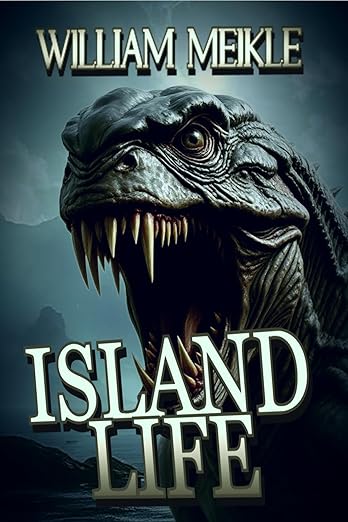
Island Life by William Meikle is a gripping tale of terror that traps you on a remote Scottish island from the very first page. The premise is classic horror: an archaeological team, ignoring the superstitious warnings of the locals, opens a Neolithic burial mound and unleashes an ancient, flesh-hungry evil from deep beneath the earth. What follows is a desperate fight for survival as a group of survivors, including a marine biologist, lighthouse keepers, and even a local sheepdog named Sam, must band together against the hulking, unholy things that stalk them through the encroaching fog.
Meikle populates the island with well-defined, relatable characters whose personal struggles and affections for one another make their plight all the more engaging. The book proudly delivers on its B-movie monster promise, offering plenty of gore and a fascinating delve into the creatures’ ancient origins.
In the end, Island Life is a love letter to creature features, best enjoyed as a “fifties monster flick” with a distinctly Lovecraftian flavour. It’s a nightmarish, visceral ride that, despite some narrative stumbles, weaves a web of folklore and suspense that will undoubtedly satisfy horror fans.
The Publishers: Champions of the Macabre
Behind every great author is a publisher brave enough to bring their nightmares to the world.
Haunt Publishing is an independent publisher dedicated entirely to Gothic, horror, and dark fiction. Founded in 2018 and led by the passionate Rebecca Wojturska, Haunt’s mission is to explore both traditional and contemporary horror while championing global and underrepresented voices. They proudly publish “books that haunt readers long after consuming them”. They are a vital force, actively working to bring spooky and spellbinding Scottish stories back to life and introduce new horror from across the nation .
Luna Press Publishing from Edinburgh is another key player, a rising star in the firmament of speculative fiction. They are acclaimed for their beautiful and thoughtful publications, particularly their novellas and academic works on fantasy and science fiction. Alongside Knight Errant Press, they form a core part of the “small but mighty” independent publishing landscape that supports Scottish genre writers.
The Heart of the Community: Cymera Festival
You can’t talk about the current state of Scottish sci-fi, fantasy, and horror without highlighting Cymera Festival. This is Scotland’s premier festival of science fiction, fantasy, and horror writing, and it acts as a massive, vibrant hub for this community. Think of it as the modern-day gathering, a place where the spirit of storytelling that St Andrew’s Day represents finds a new, thrilling expression.
Cymera brings “writers, readers and publishing industry experts together in celebration of speculative fiction” . It’s where you’ll find author panels, book signings, writing workshops, and a fantastic Creators Hall packed with indie publishers. The festival has worked with giants like Cassandra Clare and VE Schwab, but its lifeblood is supporting Scottish and Scotland-based talent.
Authors like Fiona Barnett have appeared on its panels, and the festival’s book lists are a treasure trove for discovering new Scottish horror. It even hosts a dedicated Writers’ Conference with workshops on everything from “Writing Ghost Stories” to agent one-to-ones, actively nurturing the next wave of authors. In many ways, Cymera is the engine room and the celebratory heart of the scene all at once.
So this St Andrew’s Day, as you raise a glass to the patron saint, consider also picking up a book from one of these incredible Scottish horror authors. You’ll be connecting with a rich history of storytelling, sure, but more importantly, you’ll be supporting a living, breathing, and wonderfully terrifying literary tradition that’s as strong as Saint Andrew himself. The tradition of Scottish tales is alive and well, and it’s waiting to send a chill down your spine.
Horror Features on Ginger Nuts of Horror
If you’re a fan of spine-chilling tales and hair-raising suspense, then you won’t want to miss the horror features page on The Ginger Nuts of Horror Review Website. This is the ultimate destination for horror enthusiasts seeking in-depth analysis, thrilling reviews, and exclusive interviews with some of the best minds in the genre. From independent films to mainstream blockbusters, the site covers a broad spectrum of horror media, ensuring that you’re always in the loop about the latest and greatest.
The passionate team behind The Ginger Nuts of Horror delivers thoughtful critiques and recommendations that delve into the nuances of storytelling, character development, and atmospheric tension. Whether you’re looking for hidden gems to stream on a dark and stormy night or want to explore the work of up-and-coming horror filmmakers, this page is packed with content that will ignite your imagination and keep you on the edge of your seat.
So grab your favourite horror-themed snacks, settle into a cosy spot, and immerse yourself in the chilling world of horror literature and film. Head over to The Ginger Nuts of Horror and embark on a journey through the eerie and the extraordinary. It’s an adventure you won’t soon forget!