UK’s Best Horror Movies
British horror has always done things a little differently. While Hollywood often leans on jump scares and spectacle, UK horror has built its reputation on atmosphere, psychological unease, and stories that linger long after the credits roll. This focus invites viewers to feel immersed and curious about the unsettling worlds they explore, fostering a sense of intrigue and emotional engagement.
Few countries can boast a horror legacy as rich as the UK’s. Classics such as The Wicker Man, Witchfinder General, and Don’t Look Now helped establish a distinct style that blended folklore, social commentary, and genuine dread. Their influence can still be felt today across films, television, and even gaming culture.
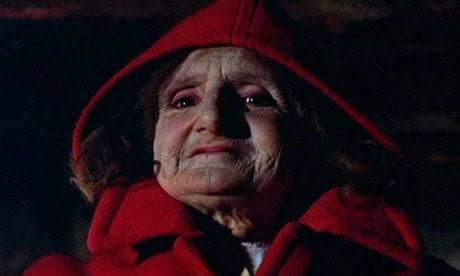
One title that continues to define British horror is Hellraiser (1987). Created by Clive Barker, the film introduced audiences to the terrifying world of the Cenobites and the unforgettable Pinhead. Its reliance on psychological torment and disturbing imagery evokes fascination and awe, showing that horror can challenge and disturb in profound ways. This includes gaming and has become one of the best UK online casino games for both fans of the horror movies and slots.
Of course, no discussion of British horror is complete without 28 Days Later. Danny Boyle’s post-apocalyptic nightmare reinvented the zombie genre for a new generation. Fast-moving infected creatures, deserted London streets, and a relentless sense of urgency combined to create one of the most influential horror films of the modern era. Many filmmakers have tried to replicate its formula, but few have matched its intensity.

Then there is The Descent, a masterclass in claustrophobic horror. Set deep within an unexplored cave system, NeilMarshall’s terrifying film turns darkness itself into a weapon. The combination of isolation, panic, and unseen threats creates a nerve-shredding experience that remains one of the most effective horror movies ever produced in Britain.
British horror also excels when blending scares with humour. Shaun of the Dead transformed the zombie apocalypse into a hilarious yet surprisingly emotional story. Edgar Wright’s sharp direction and Simon Pegg’s relatable performance helped the film become a modern classic. It demonstrated that horror and comedy could coexist without diminishing either genre.
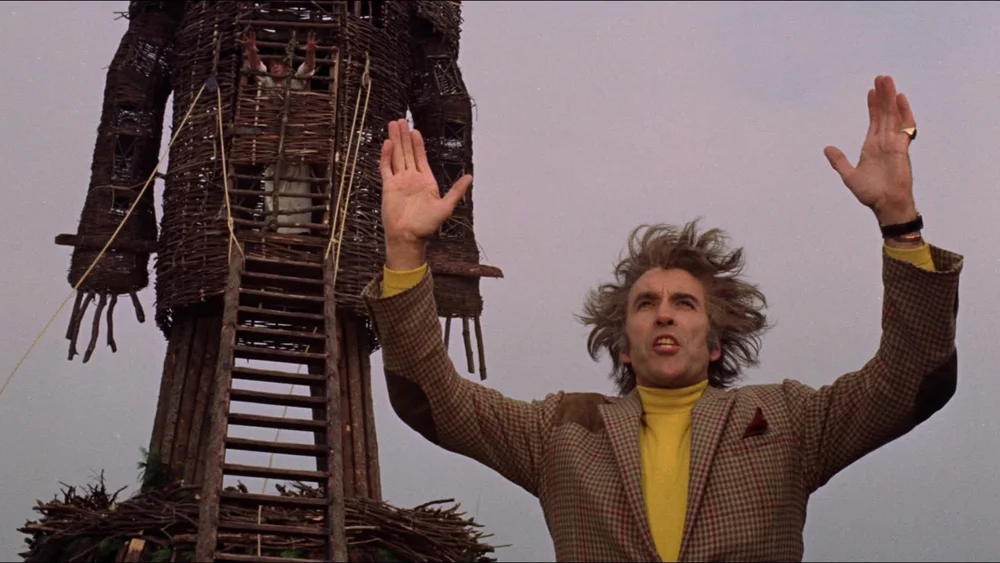
Folk horror has long been another British speciality. The Wicker Man remains the gold standard, taking audiences to a remote Scottish island where tradition and belief lead to shocking consequences. Films like The Ritual, which explores ancient fears through modern settings, and Apostle, a supernatural tale set in a secluded community, continue to carry that torch, proving that ancient fears still resonate with modern viewers.
Other standout entries include Dog Soldiers, a brutal werewolf thriller set in the Scottish Highlands; Ghostwatch, the infamous television event that blurred the line between fiction and reality; and His House, a haunting exploration of trauma wrapped in a supernatural nightmare.
What makes British horror so enduring is its willingness to experiment and evolve. From gothic classics to psychological thrillers, folk horror, and genre-bending modern masterpieces, these films reflect changing tastes and societal fears. Explaining this evolution can help readers understand how British horror remains relevant and innovative over time.