The craft that builds a lovable puppet is one decision away from a monster.
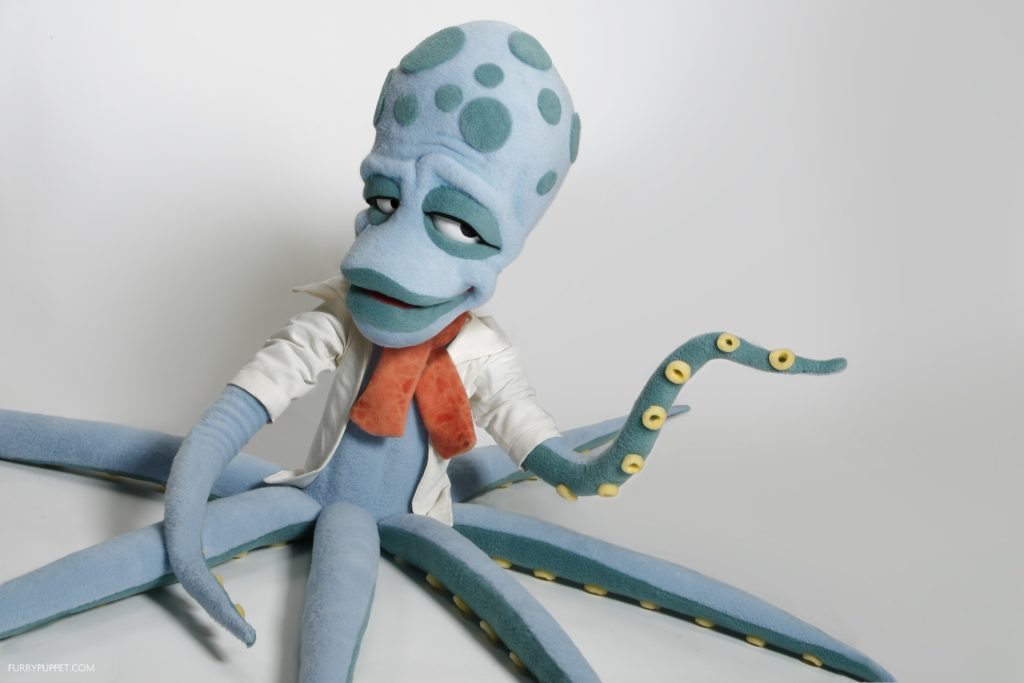
Furry Puppet Studio builds creatures you want to hug, which is exactly the reaction horror cinema has spent fifty years weaponising. The NYC custom puppet maker, run by Zack Buchman, makes puppets for Apple, Casper, Nintendo and Missy Elliott, and every one of them runs on a single trick: a face built from almost nothing that your brain insists is alive. That trick is also the foundation of puppets in horror, the long line of practical-effects nightmares from Puppet Master to Dead Silence to the creepy-doll boom of the 2020s. This piece looks at where delight ends and dread begins, and why the hands that make one make the other.
The reason a Furry Puppet creation can melt you is the reason a dummy in a darkened farmhouse can stop your breath. Your brain has decided the object is a person, and once that decision is made it cannot easily be unmade. Horror just refuses to let you take it back.
Inside Furry Puppet Studio: Why Horror Loves Puppets
Furry Puppet Studio builds creatures you want to hug. That instinct is the whole problem.
Zack Buchman runs the place out of New York City, and he has been at it for around fifteen years, long enough that the studio’s work has turned up on Apple’s marketing, in Casper mattress spots, on Nintendo projects, and bobbing along in music videos for Missy Elliott.
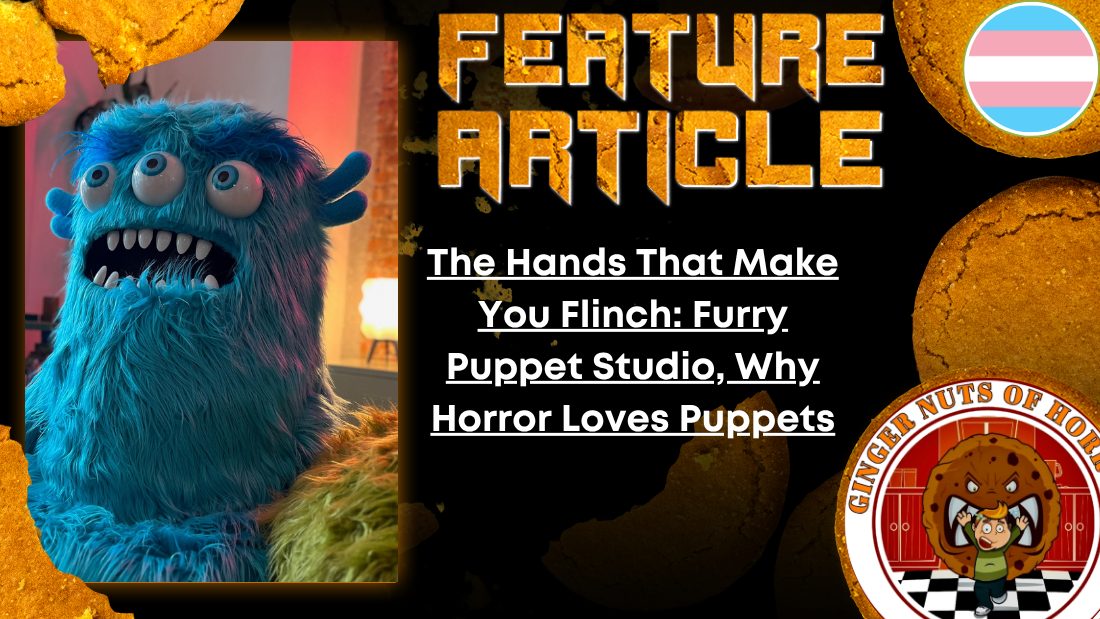
The studio’s calling card is a blue yeti who sticks his thumb out at the edge of a forest in a Herman Dune video and gets picked up by a driver played by Jon Hamm. The yeti’s eyes are shiny black plastic that catch the light in little squares, and you root for him. You feel for a lump of foam and fleece. That is the entire craft in one shot, and it is also the reason puppets have never stopped scaring us.
Here is the thing: Horror figured out early. A puppet is engineered affection. Buchman has said he has been staring at objects since he was a kid, that when he is tired, he sees faces in the room around him. He is describing pareidolia, the wiring that makes us read two dots and a line as a person.
His puppets exploit that wiring on purpose, getting full personalities out of two eyes, sometimes one, and a mouth. Now take that same machinery and aim it slightly wrong. Keep the face. Keep the lifelike eyes. Just remove the warmth, or worse, replace it with intent. You have built a monster out of the exact parts you used to build a friend.
Buchman knows this better than most, because he lived it. He grew up on Sesame Street and, by his own account, was terrified by some of the Muppets. That detail tells you everything about why his studio’s work lands. The line between Grover and a thing that visits you at 3am is not a different technology. It is a few millimetres of design.
The genre has been mining this seam for decades, and the films that did it best almost always reached for a real, physical puppet rather than a drawing or a render.
Start with Magic in 1978, where Anthony Hopkins plays a ventriloquist whose dummy, Fats, may or may not be running the show. Richard Attenborough directed it, which still surprises people. Then, Puppet Master in 1989, directed by David Schmoeller for Charles Band’s Full Moon operation, a film so fond of the murderous little marionettes that it spawned more than a dozen sequels. Tom Holland’s Child’s Play gave us Chucky in 1988 and proved a doll could carry a franchise into its fourth decade. And James Wan, fresh off Saw, made Dead Silence in 2007 with Leigh Whannell, building the whole film around a ventriloquist dummy named Billy and a dead woman’s revenge.
Notice the pattern. Wan also gave Saw its tricycle-riding puppet, another Billy, in 2004. Two of the most influential horror films of the century open the same toy box. That is not coincidence. A practical puppet shares your physical space in a way a digital effect never quite manages. The light falls on it the same way it falls on the actor. You believe it is there because it is there.
M3GAN turned a dancing killer doll into a 180-million-dollar hit in 2023, though her sequel, M3GAN 2.0, stumbled badly in June 2025 with a 10-million-dollar opening that suggested audiences will punish a follow-up that forgets what made the first one fun. Osgood Perkins’ Longlegs crossed 100 million dollars globally in 2024 and became the year’s highest-grossing independent film, with a porcelain doll sitting at the rotten centre of its mystery. Perkins followed it in February 2025 with The Monkey, adapting a Stephen King story about a wind-up toy that kills. Blumhouse tried its own creepy-plaything swing with Imaginary in 2024 and missed, which is its own kind of evidence: the object alone does not save you, the craft does.
That last point matters, and it brings the argument back to a studio that has nothing to do with horror and everything to do with why horror works.
The Furry Puppet difference
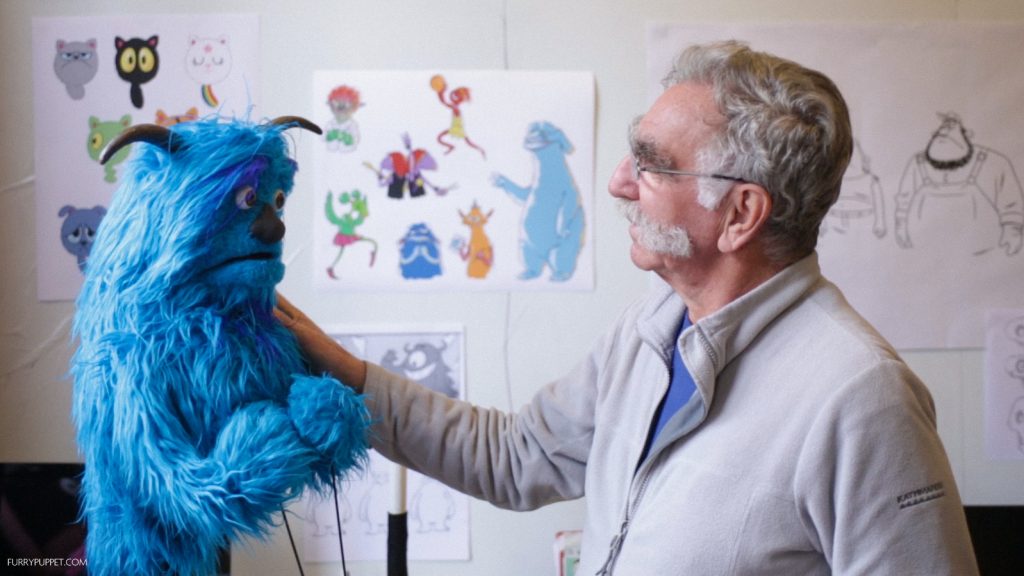
Furry Puppet Studio designs and builds in-house, in NYC, from the first sketch to the final shot. Buchman has been clear that he could not do it alone and built a team for exactly that reason. Tom Newby handles the puppet mechanisms, the rods and linkages and eye mechanics that make a foam head turn and blink like it means it. Polly Smith, a costume designer who happens to be a co-inventor of the sports bra, works on the builds too. This is artisan labour, hands on materials, the opposite of a slider in a software panel.
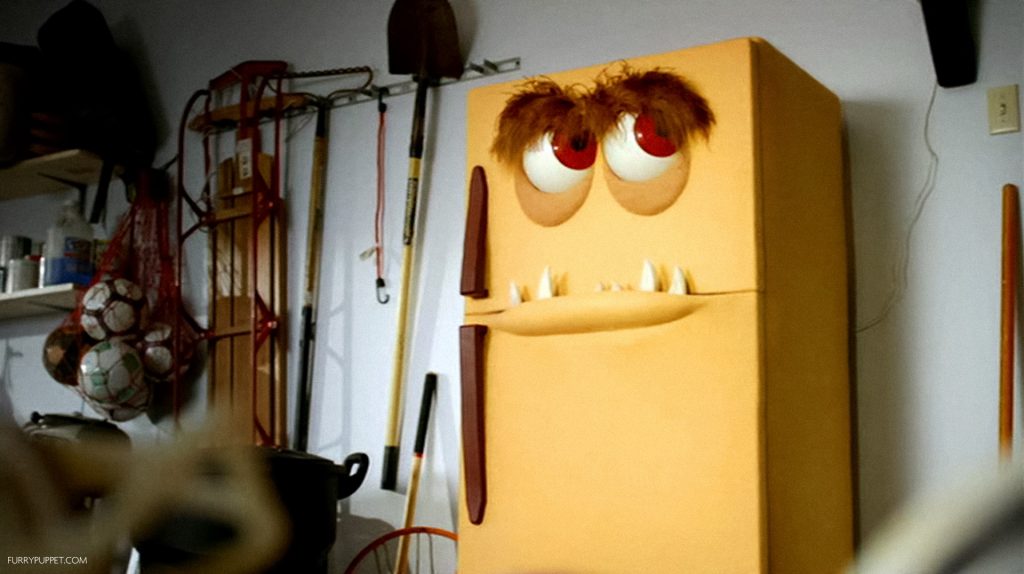
And the studio’s own catalogue already lives a half-step from the eerie. Look through the gallery and you find a pair of bat rod puppets, one of them with a disheveled, sleepless stare, an animatronic deer, and household appliances rebuilt as snapping creatures, including a monstrous dishwasher with moving parts. None of it is sold as horror. All of it could turn on a dime. Buchman built this whole operation from nothing, famously launching the website from a Starbucks in New York, and the through-line from those first sketches to a Jack Dorsey Bitcoin mascot is the same instinct a horror designer trades on: find the face, then decide how it makes you feel.
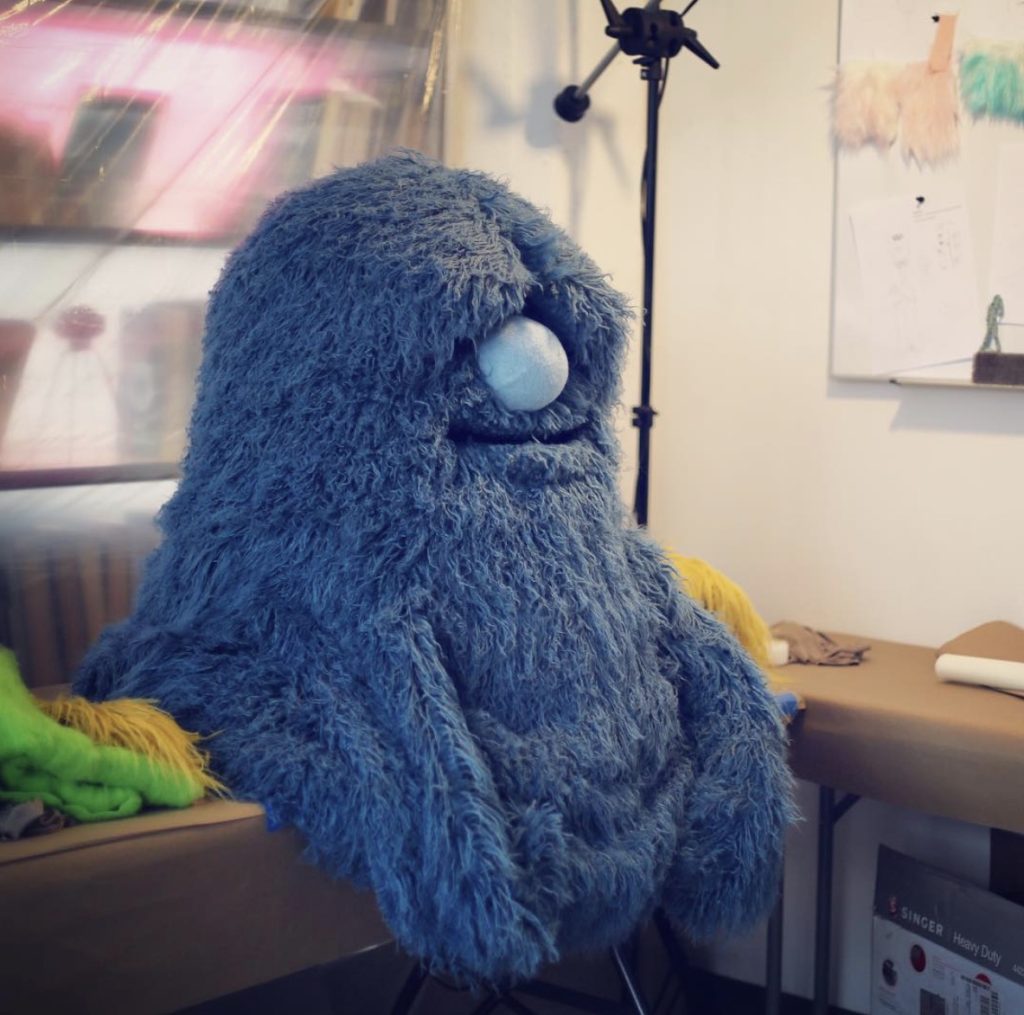
Walk into the Brooklyn studio and the place reads like a candy store that took a wrong turn. Bright colours, surprising shapes, and then the details that give a horror writer ideas: 3D-printed eyeballs, bare foam heads fitted with mechanical eyelids that slide over glass eyes, a custom fabric the team makes itself and calls “dream fleece.” Buchman never went to college, and he credits that outsider angle for why the work looks unlike anyone else’s.
The crew around him is its own kind of casting. There is Maria Gurevich, a Moscow-born master foam carver he describes as a real-life Edward Scissorhands, his childhood friend and creative partner Yaron Farkash, and mechanical engineer Tom Newby, who Buchman says recalls the professor from Back to the Future. These are the people who decide how a glass eye catches the light.
And the way they start is the part that should interest anyone who writes monsters. A Furry Puppet build often begins with an incidental scribble, a doodle abandoned in the margin of a sketchbook, which the team then studies to find its essence before growing it into a full character. Buchman once said a recent creation “all started in a strange dream.”
/That is the same well horror drinks from. He talks about the emotional connection a puppet forms with an audience as the reason the medium is worth the trouble, and he is right, but that connection is precisely the lever a horror film pulls. Build the bond, then betray it. The studio spends its days on the first half of that sentence and never has to think about the second. Horror only exists to finish it.
And that is the quiet case for why practical craft keeps beating its digital cousin in horror. A render can be uncanny by accident. A built puppet is uncanny by decision. Every choice Buchman’s team makes to push a character toward lovable, the slightly-too-big eyes, the soft underbite, the hopeful tilt of a head, is a choice a horror designer can invert. The fear is not in the foam. It is in the intention sewn into it.
Buchman talks about the moment a puppet “comes to life” and you forget the technicality of it. He means it as a gift. He makes things to make people feel good, and he means that too. But the feeling-good and the feeling-watched come from the same root. The reason a Furry Puppet creation can melt you is the reason a dummy in a darkened farmhouse can stop your breath. Your brain has decided the object is a person, and once that decision is made it cannot easily be unmade. Horror just refuses to let you take it back.
There is a counter-argument worth naming. Some will say the genre has moved on, that the doll cycle is fatigue waiting to happen, and the soft 2025 returns give them ammunition. Fair enough. M3GAN 2.0 and Imaginary both underdelivered. But the failures were failures of writing and tone, not of the form. Longlegs proved in the very same window that a single well-made object, photographed with patience, still empties a theatre’s lungs. The puppet did not get tired. The films around it did.
So watch the next FPS yeti, the one built to make you cheer. Study how little it takes to make you believe. Then move the eyes a half-inch, drain the hope out of the smile, and put it at the foot of your bed. The hands that delight you and the hands that frighten you are, more often than not, the same hands.




Ginger Nuts of Horror: The Heart and Soul of Horror Reviews

Looking to get your horror book or film in front of the genre’s most dedicated audience? Ginger Nuts of Horror is one of Europe’s largest independent horror review websites, with over 30 contributors publishing horror book reviews and horror movie reviews almost every single day.
We offer far more than reviews. Authors, filmmakers and publishers can promote their work through in-depth horror book reviews, horror film reviews, comic and video game coverage, news features, and our popular author and director interviews like Five Minutes With. Our guest feature series, The Horror of My Life, Childhood Fears, The ? That Made Me and more, let creators tell their story while promoting their latest release.
Every feature is built to sell your work. We include backlinks to your website or Amazon author page, a full synopsis, and a universal purchasing link that sends readers straight to their local store. Add a large, engaged social following and an 18-year archive of trusted horror coverage, and you have a platform genuinely built to grow your readership.
Whether you’re an established author, an indie filmmaker, or a debut voice in indie horror, there’s a way for us to help you reach more fans. Explore our horror book reviews and horror movie reviews, then get your horror book or film featured today.