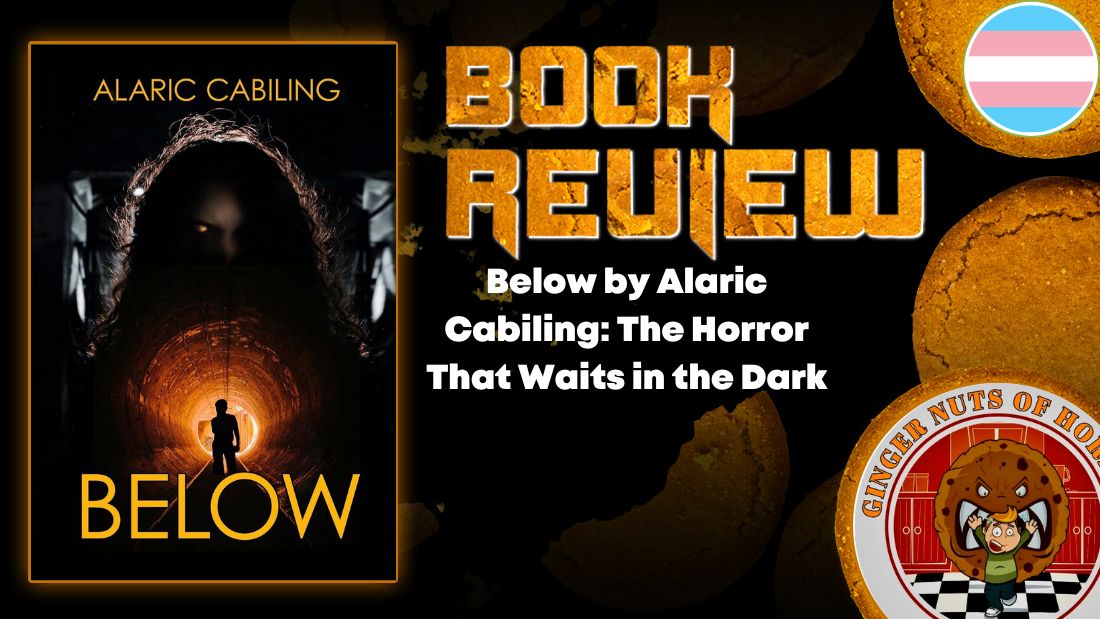
Below by Alaric Cabiling: The Horror That Waits in the Dark
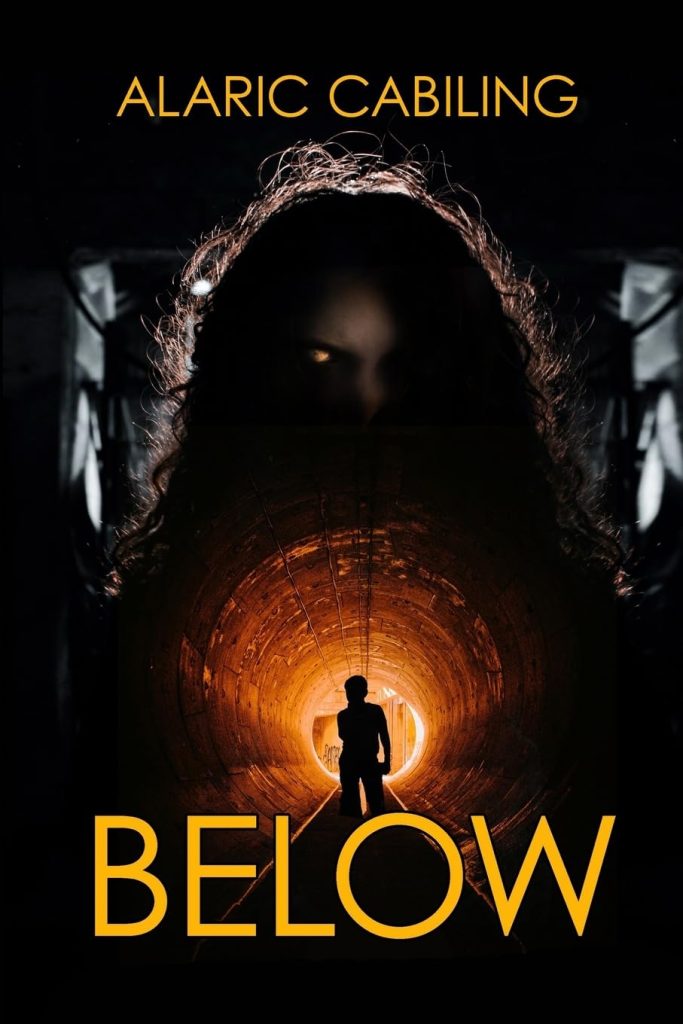
Poverty was one thing; a catastrophe was another. That line arrives early in Alaric Cabiling’s debut novel, and it sits with you. It sits with you because you understand, almost immediately, that this is a book about the difference between surviving day-to-day and watching the entire concept of survival get rewritten. Most zombie fiction starts when the world has already ended. Cabiling starts earlier. He starts in the heat and the trash heaps of Tondo, Manila, where a twelve-year-old boy named Min is already fighting for his life long before the dead start walking. That choice changes everything.
Min Arnaiz lives in Happyland. The name is a joke, the kind of joke poverty plays on the people trapped inside it. He scavenges. He goes to school when he can. His parents tell him to stay away from drugs, and he listens, because in the slums you learn early which warnings come from love and which come from fear. The drug users are already scary, already dangerous. Then they start changing. Their eyes go dead. Their teeth find throats. The infection spreads.
Cabiling gives us something rare here: a zombie apocalypse viewed entirely through the eyes of someone who was already living in one. The collapse of society isn’t a rupture for Min. It’s an escalation. The world was already eating him alive. Now it just has teeth.
This is the novel’s quietest strength, and it’s worth sitting with. Cabiling doesn’t use the Philippines as exotic backdrop or trauma tourism. He writes from inside that heat, that smell, that desperation. You feel it. The prose puts you there, in the garbage and the panic, and it doesn’t let you look away .
The Infection as Metaphor
Here’s where the book earns its space in the conversation. The zombie plague in Below comes from tainted street drugs. Dirty compounds. Synthetic chemicals that rot the brain and turn users into monsters. The addicts know this will happen. They use anyway. That choice, that compulsion, that surrender—it’s not just plot mechanics. It’s the whole point.
Cabiling is writing about addiction as apocalypse. About how the thing that destroys you can also be the thing you can’t stop reaching for. About how poverty creates the conditions for both the drugs and the desperation that makes them irresistible. The zombies are real in this book. They bite and they kill and they spread. But they’re also symbols, and Cabiling is smart enough to let them be both without hammering you over the head with it.
Well. Mostly without hammering you over the head. There’s a stretch in the middle, after Min makes it to America, where the book gets a little preachy about drug policy and social neglect . You’ve already absorbed the message by then. You’ve lived in Min’s skin. You don’t need the editorial. It’s a minor stumble in a novel that otherwise trusts its readers to connect dots.
Growing Up Underground
The second half jumps forward seven years. Min is in New York now, living in the sewers, part of a community of the displaced and the forgotten. The zombies are still out there, still a threat, but the real horror has shifted. It’s the quiet horror of becoming what you feared. Of watching yourself slide toward the very thing your parents warned you about.
Cabiling shows real growth here as a writer. His earlier work—collections like Insanity By Increments and Redefining Darkness—dealt in short, brutal bursts of dark fiction . Those stories had teeth, but they operated in flashes. A novel requires endurance. It requires holding tension across years and pages. Below proves he can do it. The Min who scavenges in Manila and the Min who scavenges in the New York tunnels are the same person, but they’re not. The narrative voice matures as he does. You feel the weight of years pressing down .
If you’ve read Cabiling’s short fiction, you’ll recognize the sensibility. The interest in people on edges. The refusal to offer easy comfort. But the novel form gives him space to breathe, to let tragedy accumulate rather than strike. It’s a meaningful step forward.
The Prose Itself
Reading Cabiling’s prose is like watching someone carve with a blade that’s been sharpened just past the point of safety. The sentences are clean, deliberate, but there’s always the sense that they could cut you if you’re not careful. He trusts detail. He trusts the specific weight of a particular piece of trash, the exact quality of light in a Manila alley, the precise way a face looks when the person behind it has already left.
This is literary horror in the tradition of early Stephen King or Peter Straub, not because Cabiling mimics them, but because he understands what they understood: that genre works best when the monsters are real and the people are realer . The zombies in Below are frightening. The conditions that created them are terrifying.
One reviewer noted that the book’s real strength is its sensory immediacy—the smell, the heat, the dust . That’s right. Cabiling writes with his whole body. You don’t just see the slums. You choke on them.
Where It Fits
The zombie genre has been done to death, literally and figuratively. Cabiling knows this. He’s not trying to reinvent the monster. His zombies are classic: dead-eyed, infectious, hungry. What’s fresh is the context. Setting this story in the Philippines, grounding it in the specific realities of poverty and addiction and global indifference, gives the familiar framework new weight.
It also connects to a broader tradition of horror that uses the fantastic to examine the real. If you’ve read Zone One by Colson Whitehead or The Girl With All the Gifts by M.R. Carey, you’ve seen writers using zombie frameworks to ask different questions. Cabiling belongs in that company. His questions are about whose lives matter, about how we create the conditions for catastrophe, about whether survival is the same as living.
The book also shares DNA with novels like Salvage the Bones by Jesmyn Ward, which isn’t horror at all but understands something similar: that disaster doesn’t arrive from nowhere. It finds the people already vulnerable and finishes what poverty started.
The Bleakness and the Light
I should say: this book is brutal. Characters you care about die. The ending doesn’t flinch. If you need your horror wrapped in hope, look elsewhere. But there’s something in the bleakness that feels honest. Cabiling isn’t cruel for the sake of it. He’s honest about what the world does to people like Min.
And yet. There’s a thread of something else running through it. One reviewer mentioned appreciating the “through line of basic human kindness” that persists even in the worst moments . That’s there too. Min helps people. People help Min. The kindness doesn’t save anyone, not really, but it matters. It matters that it exists at all.
Cabiling’s influences include Poe and Shelley, Bradbury and Ellison . You can feel that lineage. The gothic awareness of decay. The dark fantasy willingness to follow imagination where it leads. But the voice is his own. Filipino, yes, but also global. A writer who’s read everything and is now writing back.
Final Thoughts
I keep coming back to that line about poverty and catastrophe. Min knew one. Then he knew the other. The difference, the book suggests, is mostly a matter of scale. Catastrophe is just poverty that’s spread far enough to threaten people who thought they were safe.
Below is Cabiling’s first novel. It won’t be his last. He’s too good, too controlled, too aware of what horror can do when it aims at something real. The zombies will get you, if you’re reading for that. They got me, more than once. But what stays is the heat and the garbage and the boy who never had a chance, running through a world that was always trying to eat him.
Sometimes the monsters are made of teeth. Sometimes they’re made of everything else.
Below by Alaric Cabiling
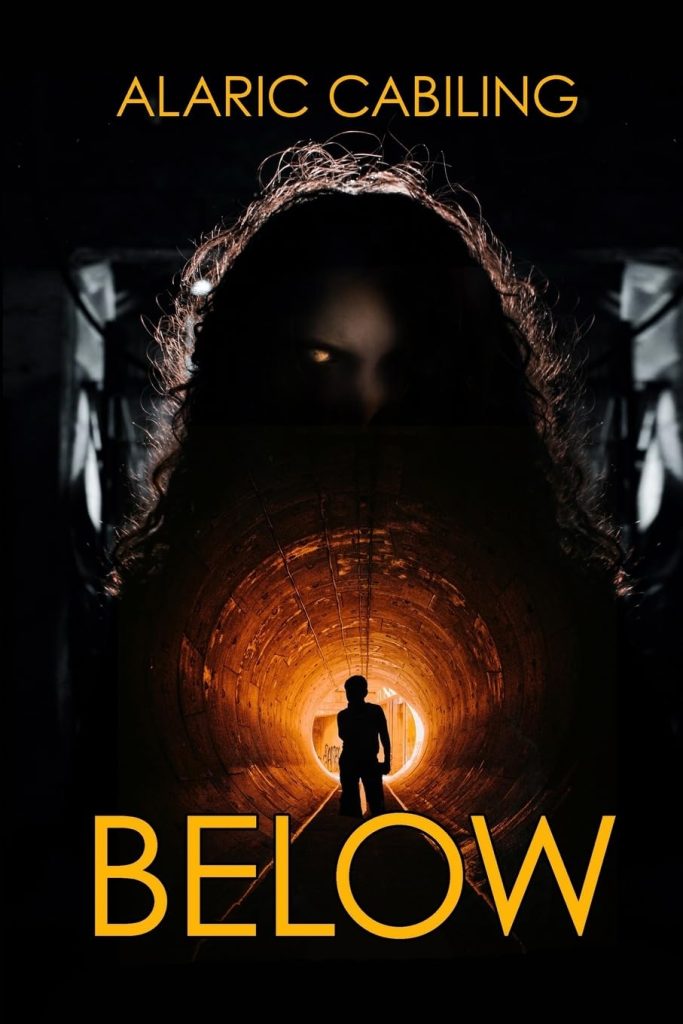
Below is the debut novel from emerging Filipino American horror writer Alaric Cabiling. Below marks a return to literary horror not seen since the genre’s heyday in the ’90s.
In Below, Cabiling paints scenes vividly, using elaborate detail, striking imagery, and stylish prose to craft a story of a zombie pandemic set in the modern age, where dirty chemical compounds in street drugs have led to a deterioration of brain function, causing the zombie phenomenon, where addicts are transforming, turning more savage and hungry, feeding on the ill and starving throughout the congested slums of Tondo, Manila and then, the world.
Horror Book Reviews: Ginger Nuts of Horror, Your Premier Horror Website for 17 Years
For every horror enthusiast searching for authoritative horror book reviews and a definitive horror website, your journey ends at Ginger Nuts of Horror. As a trusted pillar of the dark fiction community, we have spent over 17 years building a reputation for the most passionate, insightful, and credible coverage in the genre.
Our dedicated team of reviewers lives and breathes horror. Our collective expertise, forged over nearly two decades, ensures every review is a deep, critical analysis. We don’t just summarise plots; we dissect the terror, explore the thematic depths, and connect you with the very emotional core that makes horror books so compelling.
Why Ginger Nuts of Horror is the #1 Resource for Horror Fans
Unmatched Depth & Legacy in Horror Book
Reviews: With 17 years of reviewing horror, we offer an unparalleled perspective. Our reviews expertly guide you from mainstream bestsellers to under-the-radar indie gems, helping you find your perfect, terrifying read.
Exclusive Access to Horror Authors: Go behind the scenes with in-depth interviews that reveal the minds behind the madness. We connect you with both legendary and emerging horror authors, exploring their inspirations and creative processes.
Award-Nominated Authority & Community: Founded by Jim McLeod, Ginger Nuts of Horror has evolved from a passion project into an award-nominated, essential horror website. We are a global hub for readers who celebrate horror literature in all its forms, from classic ghost stories to the most cutting-edge dark fiction.
Experience the Difference of a Genre-Dedicated Team
What truly sets us apart is our dedicated team of reviewers. Their combined knowledge and authentic enthusiasm ensure that our coverage is both intelligent and infectious. We are committed to pushing the genre forward, consistently highlighting innovative and boundary-pushing work that defines the future of horror.
Ready to dive deeper?
For horror book reviews you can trust, a horror website that champions the genre, and a community that shares your passion, Ginger Nuts of Horror is your ultimate destination. Explore our vast archive today and discover why we’ve been the top choice for horror fans for over 17 years.