


How I Created an Indie Horror Movie in Just a Month

If you wait for perfect conditions, you will be waiting until the cows come home. I learned that the hard way. I had a script idea, and exactly one month before my lead actor moved abroad. I also had some savings. After calculating everything, I decided to make it happen.
This article is nothing but the honest story of how I completed a low-budget horror movie in 30 days.
Let me tell you in advance, it was not glamorous. On the contrary, it was stressful and full of trade-offs. Very messy. However, it proved that indie horror filmmaking does not require years of preparation or massive funding. It made me believe that discipline and smart indie film budgeting can be your biggest advantages.
Development and Pre-Production
#1 – Starting with a Contained Idea
When you are making a horror film fast, your concept must match your resources. I wrote a script set almost entirely inside a rural farmhouse. One primary location meant fewer permits, less travel, and simpler scheduling. That decision alone saved both time and money.
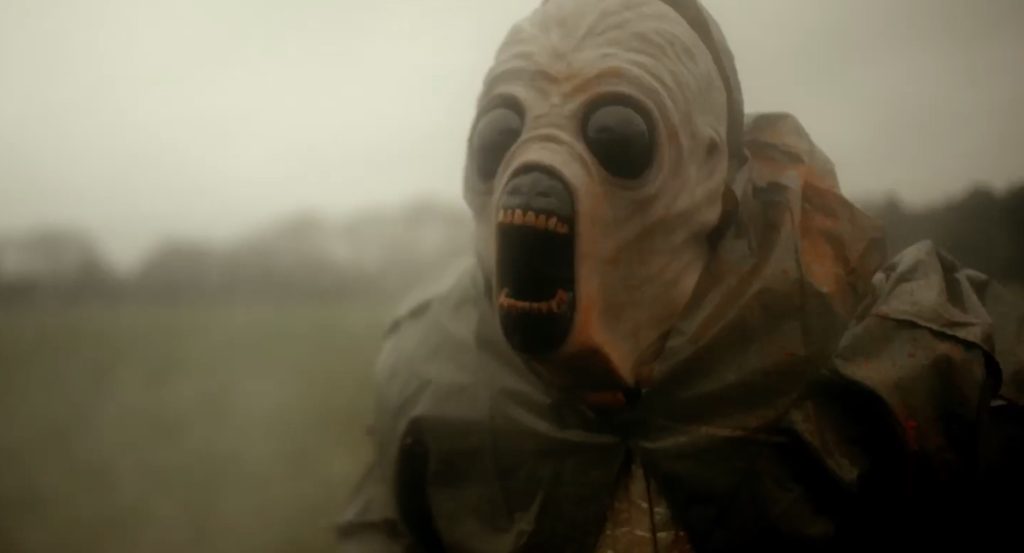
I focused on psychological tension rather than expensive visual effects. Shadows, silence, and strong performances replaced complicated prosthetics or CGI. Limitation became a creative tool instead of a weakness.
#2 – Planning Before Spending
It took me 14 days to complete pre-production tasks.
During that time, I finalized the script and created a shot list. I also built a realistic 12-day shooting schedule. I planned every scene with efficiency in mind. I avoided company moves and scheduled night scenes in blocks to reduce lighting adjustments.
My core team consisted of:
- A cinematographer who also handled basic lighting
- A sound recordist who assisted with production design
- A production assistant who managed logistics and meals
- Four actors, two of whom carried most of the story
Keeping the team small reduced coordination headaches and kept morale strong.
How To Find Actors?
I could not afford agency talent due to my budget. So, I turned to local theater groups and online casting boards. Sharing a detailed description of the characters helped a lot in shortlisting. I also clearly stated the shooting timeline.
During auditions, I asked actors to show authentic emotions rather than reciting crammed lines. I needed performers who could sustain tension in long takes without heavy editing.
What I looked for in auditions:
- Emotional control under pressure
- Comfort with minimal takes
- Commitment to a tight production schedule
- Willingness to collaborate creatively
Shooting and Post-Production
#1 – Production Under Pressure
We shot for 12 days without a gap. Due to sufficient advanced rehearsals, we could shoot for 12 to 15 setups per day. That pace kept us on schedule.
The team was working 10 to 12 hours on these days.
All our technical choices were guided by speed and quality.
We used natural light for most of the scenes. For night scenes, practical lights inside the house were our choice. It helped us maintain the atmosphere while keeping equipment minimal.
#2 – Editing Quickly and Efficiently
Post-production began immediately after principal photography. I edited at home using accessible software and organized footage every night. We had a rough cut ready for review within ten days.
Sound design helped create the horror I wanted. I felt we successfully built tension through subtle background noise, room tone shifts, and restrained musical cues.
The final cut was completed just before the one-month mark.
Budget Spent
Indie film budgeting determines whether your project survives. My total budget was approximately $15,000. I tracked every expense in a spreadsheet from day one.
Below is a clear breakdown of how the money was allocated:
| Category | Approximate Cost ($) |
| Location rental and basic gear | 5,500 |
| Cast and crew meals and lodging | 3,000 |
| Transportation and permits | 1,200 |
| Post-production expenses | 2,500 |
| Props, costumes, contingency | 2,800 |
| Total | 15,000 |
How to Fund an Independent Film?
I funded part of this from personal savings. However, I quickly realized that savings alone would limit production quality. To bridge the gap responsibly, I explored options for financing an indie movie without overextending myself.
After researching, I used tremplocounty.com to secure supplemental funding. The platform allowed me to apply online and understand the repayment terms clearly before committing. It was not about chasing instant solutions or unrealistic promises. It was about structured, short-term support that helped cover essential costs like location rental and meals.
Before borrowing, I considered three key questions:
- Can I realistically repay this within the agreed timeline
- Is the funding supporting production essentials rather than vanity expenses
- Does this decision reduce stress or create more
Responsible financing made the difference between cutting corners and completing the film properly. The key is calm planning, not urgency.
Lessons from Low-Budget Film Production
Making a horror film fast taught me more than any workshop could. Constraints helped me sharpen my focus. Limited resources taught me how to do better storytelling.
Here are the biggest lessons I learned as a first-time horror director:
- Write for what you can access, not what you wish you had
- Plan twice as long as you shoot
- Keep the crew lean and motivated
- Track expenses daily
- Protect your energy as much as your budget
I am proud not because the film was perfect, but because it exists. It was difficult, but it is absolutely achievable with preparation and courage.