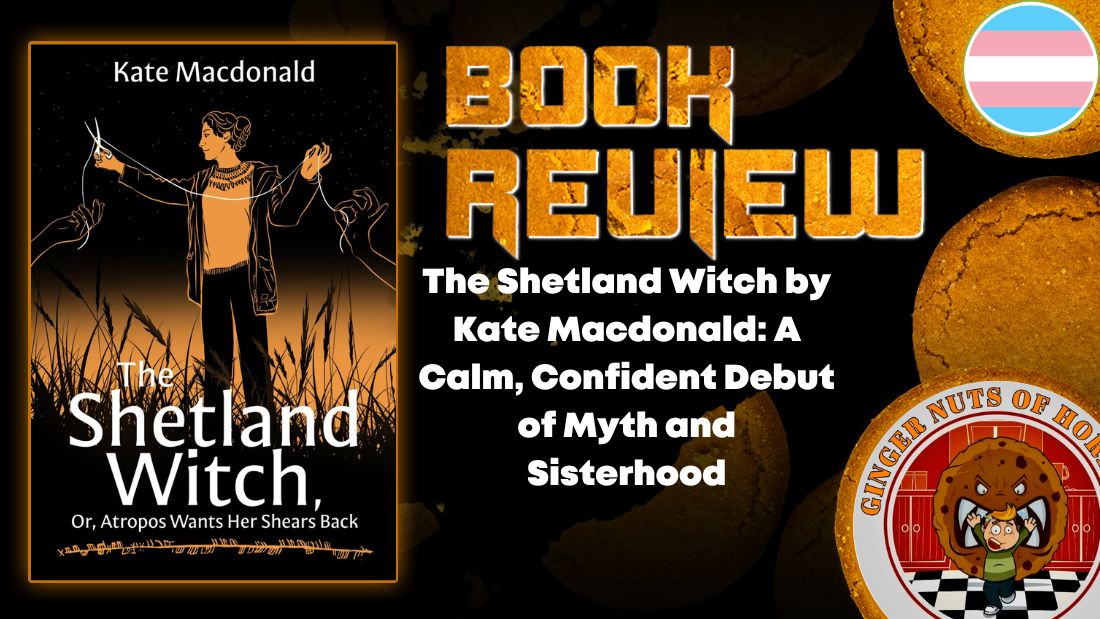
The Shetland Witch by Kate Macdonald: A Calm, Confident Debut of Myth and Sisterhood
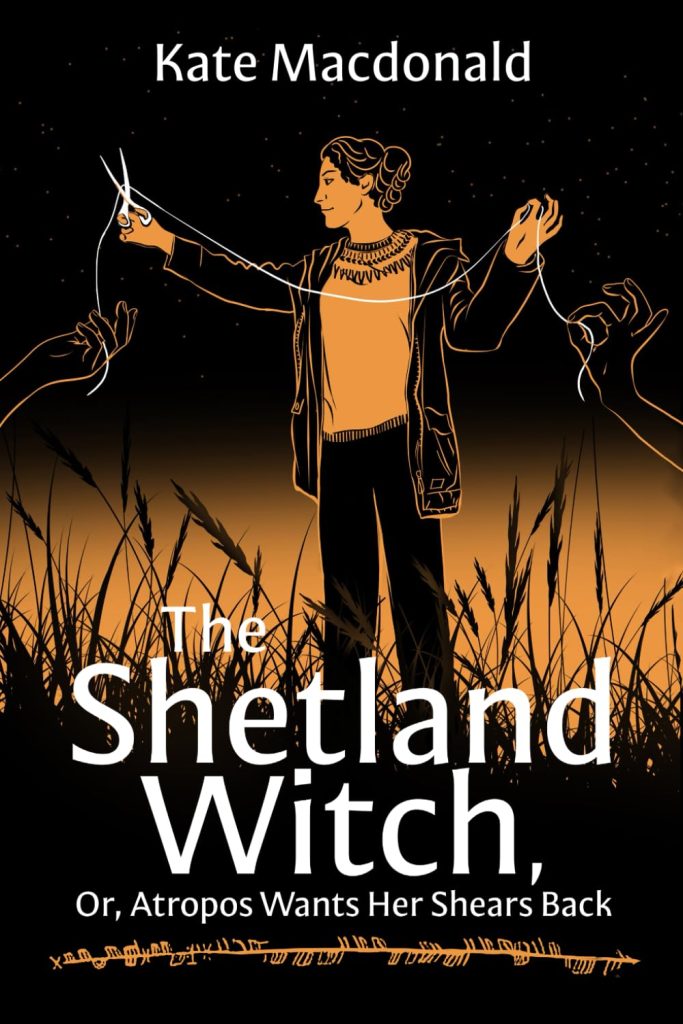
When a book arrives that promises to mix Shetland folk magic with the Greek Fates and a dash of Norse mythology, you have every right to brace for impact. The Shetland Witch by Kate Macdonald is a quiet, confident, and deeply smart book about women who have been overlooked finally getting the stage to themselves.
On the surface, the premise reads like the set-up for a cosmic-level brawl. We have Hazel, an archaeologist who has just discovered she is a witch while working a dig on the island of Unst. She is taken under the wing of the island’s three protectors: Ishabel, a retired botany professor; Maggie, an artist with a habit of shape-shifting; and Avril, a wildlife warden. A perfectly pleasant, low-stakes coven story.
Then Atropos, one of the three Fates from Greek mythology, literally crashes into their landscape, fleeing an enraged Zeus who wants to steal her shears, the very tools used to cut the thread of life. The potential for tonal whiplash is immense. But Macdonald isn’t interested in writing a superhero team-up. She writes with the calm authority of someone who understands that mythology isn’t just action figures for adults to play with; it’s a framework for understanding humanity.
What Macdonald does so beautifully is ground the mythic in the mundane. Atropos doesn’t arrive with thunderclaps and declarations. She lands on a wet hill in Unst, confused, cold, and faced with the bewildering technology of a modern tap. Watching a primordial being grapple with a Yale lock is genuinely funny, but it also serves a deeper purpose. It forces Atropos to become human in a way she never was as an abstract force.
She has to learn to live in a body, in a specific place, with a limited time. This is where the book finds its heartbeat. The Shetland witches aren’t just there to teach Hazel about magic; they are there to teach Atropos about limits, about community, and about the power found in small, domestic acts. Ishabel, suffering from long COVID and the weight of old age, doesn’t fight with fireballs. She knits her magic into the fabric of reality. Maggie paints hers. Hazel, with her scientific mind, understands it through the mycelial networks under the soil.
If you strip away the plot, the book is really an extended meditation on what it means to belong somewhere. Hazel is an outsider returning to a heritage she never knew she had. Atropos is an exile from time itself. The witches are the last of a line, exhausted and overworked, holding back a tide of malignant trows, like Tornost, a particularly nasty piece of eighteenth-century work, with little recognition.
The joy of the novel is watching these five women form a found family not based on destiny, but on the simple, radical act of helping each other with their respective messes. Macdonald writes their camaraderie with a warmth that never tips into sentimentality. These are practical women. They have birds to guard and paintings to finish. They don’t have time for an existential crisis, so they deal with Zeus the same way they would deal with a leaky roof: with ingenuity, teamwork, and a healthy dose of scepticism.
Macdonald, who spent years as an academic editor and publisher at Handheld Press, has an exacting eye for the precise word. There is no fat on these sentences. Her descriptions of the Shetland landscape are vivid without being purple; you can feel the bite of the wind and the oppressive weight of the grey sky, but she never lingers too long. She trusts the reader to feel it. The dialogue, peppered with bits of Shetland dialect, feels genuine, a rhythm of speech that sounds lived-in rather than researched. It is a style that prioritises clarity and mood over showing off. It is confident enough to be simple.
This is Macdonald’s debut novel, but it doesn’t read like one. Considering her background, it’s no surprise. She comes to fiction not as a novice, but as a scholar and editor who has spent decades steeped in the nuances of great writing, particularly the works of Sylvia Townsend Warner and the forgotten voices of the early twentieth century.
You can feel the ghost of Lolly Willowes hovering in the margins, the idea of a woman choosing a magical life as an act of quiet rebellion against a world that wants her to be useful and quiet. But where Warner’s novel is about an escape from society, The Shetland Witch is about building a society of your own. The growth here isn’t from amateur to professional; it’s from expert curator to creator. She has taken all the lessons from the books she loved and published and has woven them into something that feels both timeless and freshly minted.
If there is a flaw, it is one of escalation. The threat from Zeus is genuinely terrifying, Macdonald channels a bit of Algernon Blackwood’s cosmic horror in his attacks, warping reality around him. But once the witches win, and they do win, you are left wondering what on earth could possibly challenge them next. A few readers have noted that Hazel’s power seems to ramp up awfully fast, from zero to “fighting off the king of the gods” with a speed that can make you blink.
You might miss a step in the logic if you aren’t paying close attention. But in a way, that rush feels true to the story’s thesis. These aren’t heroes on a chosen-one journey. They are women who have been doing the work all along, quietly, for centuries. When a real crisis hits, they don’t need a training montage. They just need to stop holding back.
The book fits neatly into a particular vein of British fantasy that values place over plot and character over cataclysm. It sits on the shelf alongside Susanna Clarke’s Jonathan Strange & Mr Norrell for its reverence for folklore, and, more recently, it shares DNA with Liz Williams’ Comet Weather, another tale of modern magic rooted in a specific landscape. But Macdonald is doing something distinct. The islands are the engine of the story.
The magic comes from the ground, from the history, from the isolation. It is a powerful reminder that fantasy doesn’t need to build secondary worlds from scratch. Sometimes the most magical places are the ones that already exist, just off the coast, if you know how to look.
It would have been easy for this to be a novel about how cool it is that Greek myths are real. Instead, it is a novel about how the real, the drudgery of daily life, the ache of tired muscles, the comfort of a friend who understands, is the only thing that can save us from the myths we’ve inherited. Zeus wants the shears because he is afraid of death, of endings, of a power he cannot control. The witches win not because they are stronger, but because they have already made their peace with the small, finite, beautiful business of living. And that, in the end, is a magic no god can touch.
The Shetland Witch: Or, Atropos Wants Her Shears Back by Kate Macdonald
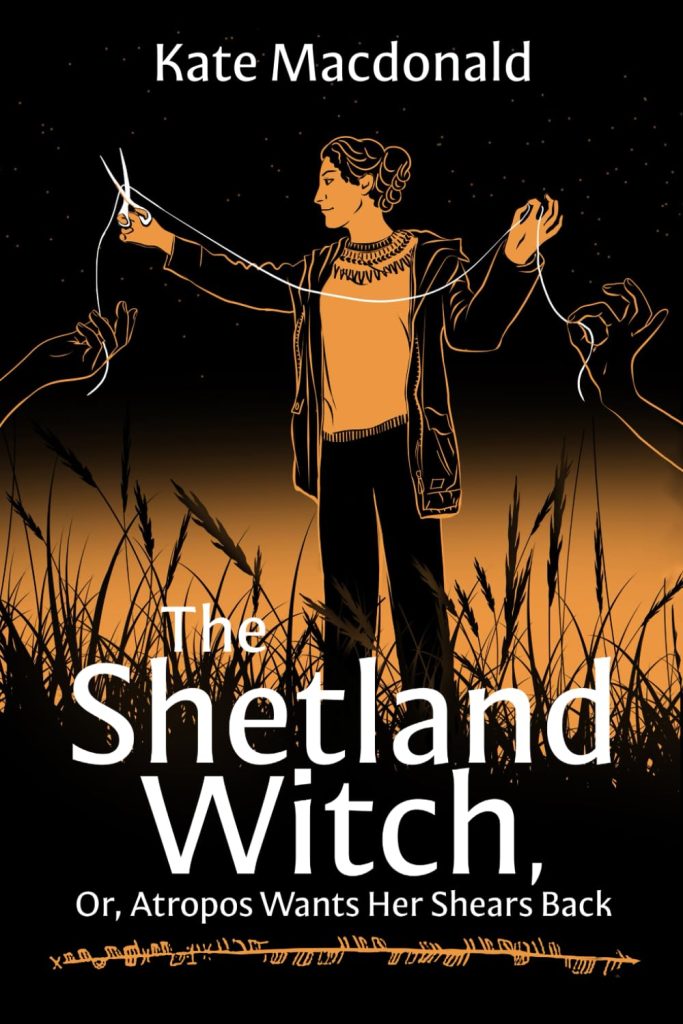
Hazel is an archaeologist, working in Unst, on the most northerly coast of the Shetland Isles.
She’s digging on Ishabel’s land. Ishabel is a retired professor of botany, and one of the remaining three Shetland witches, along with Maggie the artist who is getting too casual about shape-changing in public, and Avril the wildlife warden with too many birds to guard.
Maggie discovers that Hazel is also magical, and she becomes a Shetland witch.
Then Atropos arrives, to look for her shears that she sent into hiding to the ends of the earth thousands of years ago. She has to protect them from Zeus.
How will the witches protect the islands from a Fate and Zeus?
How will Hazel learn how to do magic again?
How will she cope with Tornost, a malignant trow with a penchant for eighteenth-century manners?
The Shetland Witch is a novel about magic, sisterhood and learning to be human. Available in paperback, hardback and as an ebook.
Horror Book Reviews: Ginger Nuts of Horror, Your Premier Horror Website for 17 Years

For every horror enthusiast searching for authoritative horror book reviews and a definitive horror website, your journey ends at Ginger Nuts of Horror. As a trusted pillar of the dark fiction community, we have spent over 17 years building a reputation for the most passionate, insightful, and credible coverage in the genre.
Our dedicated team of reviewers lives and breathes horror. Our collective expertise, forged over nearly two decades, ensures every review is a deep, critical analysis. We don’t just summarise plots; we dissect the terror, explore the thematic depths, and connect you with the very emotional core that makes horror books so compelling.
Why Ginger Nuts of Horror is the #1 Resource for Horror Fans
Unmatched Depth & Legacy in Horror Book
Reviews: With 17 years of reviewing horror, we offer an unparalleled perspective. Our reviews expertly guide you from mainstream bestsellers to under-the-radar indie gems, helping you find your perfect, terrifying read.
Exclusive Access to Horror Authors: Go behind the scenes with in-depth interviews that reveal the minds behind the madness. We connect you with both legendary and emerging horror authors, exploring their inspirations and creative processes.
Award-Nominated Authority & Community: Founded by Jim McLeod, Ginger Nuts of Horror has evolved from a passion project into an award-nominated, essential horror website. We are a global hub for readers who celebrate horror literature in all its forms, from classic ghost stories to the most cutting-edge dark fiction.
Experience the Difference of a Genre-Dedicated Team
What truly sets us apart is our dedicated team of reviewers. Their combined knowledge and authentic enthusiasm ensure that our coverage is both intelligent and infectious. We are committed to pushing the genre forward, consistently highlighting innovative and boundary-pushing work that defines the future of horror.
Ready to dive deeper?
For horror book reviews you can trust, a horror website that champions the genre, and a community that shares your passion, Ginger Nuts of Horror is your ultimate destination. Explore our vast archive today and discover why we’ve been the top choice for horror fans for over 17 years.