The Haunted Arcade: How Horror Became the Most Borrowed Aesthetic in Digital Entertainment
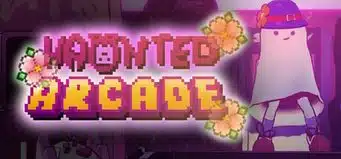
Horror has always been a thrifty genre. It survived the collapse of the studio system, the video nasties panic and the direct-to-DVD wilderness by being cheap to make and impossible to kill — and by lending its imagery to anyone willing to pay. Fairground ghost trains, pinball cabinets, haunted attractions and pulp paperback covers all borrowed the same visual grammar. The latest inheritor is digital entertainment, where horror themes now saturate the catalogues distributed through every turnkey igaming solution on the market. It is a strange afterlife for the genre, and one worth examining rather than dismissing, because it reveals something about how horror imagery actually functions once separated from narrative.
Gothic without the guilt
Walk through the themed content of any large digital games catalogue and you will find a museum of horror’s public-domain past. Dracula, unencumbered by copyright, appears constantly. So do Frankenstein’s creature, the Headless Horseman, assorted mummies, werewolves and every variety of haunted house. Poe and Lovecraft are ransacked with enthusiasm — Lovecraft especially, since cosmic horror’s imagery is instantly legible and its creator has been dead long enough to be free.
What is notable is how the genre gets flattened in translation. Horror fiction runs on dread, pacing and the withholding of information. Strip out narrative and what survives is the iconography: the candelabra, the fog, the tentacle, the raven. The result is horror as pure surface — recognisable, atmospheric and entirely without threat. Purists will find this appalling. It is also, arguably, what fairground attractions have been doing with the genre since the 1930s.
Folk horror finds a second audience
The more interesting migration is folk horror. The revival that gave us renewed attention to *The Wicker Man*, *Blood on Satan’s Claw* and a generation of new fiction has filtered into visual design remarkably quickly. Wicker structures, harvest festivals, standing stones, corn dollies and unsettlingly cheerful villagers now appear in themed digital content with a frequency that suggests somebody in the art departments has been paying close attention to what horror readers have been enthusiastic about for the past decade.
This is a genuine case of the genre’s critical conversation shaping commercial design, rather than the other way round. Folk horror’s revival was driven by writers, critics and small presses — the kind of ecosystem this site documents — and its imagery reached mass digital catalogues only afterwards.
The machinery underneath
Behind the aesthetics sits an unglamorous distribution system that explains the volume. Operators of digital entertainment platforms do not create this content; they license it from dozens of independent studios and surface it through an aggregation layer that normalises everything into one interface. Platform vendors such as QuettaSpins supply operators with the entire environment — the integration layer, the content management system, the back office — as a single package, which is why a themed release from a small studio can appear across hundreds of sites within days.
The practical consequence is a genre economy with a very low barrier to entry and an enormous appetite for themes. Horror is disproportionately represented because it is cheap to evoke: a palette, a font, a fog layer and a familiar silhouette do most of the work. No other genre delivers so much atmosphere for so little production cost, which is precisely why horror cinema has thrived on the same arithmetic for a century.
Why horror readers should care
There is a reasonable argument that none of this matters to anyone who reads horror seriously. But the genre has always been shaped by its disreputable commercial edges — the penny dreadfuls, the EC comics, the video nasties, the endless paperback originals with foil-embossed skulls. Those forms were sneered at in their day and are now studied. They also functioned as the genre’s recruitment pipeline: a great many horror readers arrived via something cheap and lurid.
What is different now is the sheer velocity of borrowing. An idea can move from a small-press novella to a critical conversation to mass-market visual shorthand within a few years, stripped of everything except its look. Whether that constitutes flattery or vandalism probably depends on which side of the transaction you are standing on.
Either way, the ghost train keeps running. It always has. The carriages are just digital now, and the fog is rendered rather than pumped.
Jim "The Don" McLeod has been reading horror for over 35 years and reviewing it for more than 16. He's the editor of Ginger Nuts of Horror, Europe's largest independent horror review and culture site, and a British Fantasy Award nominee for his work in the genre. When he's not busy inflicting his opinions on the horror community, he can be found annoying his family or getting thoroughly outwitted by his two dogs, Casper and Molly.
Ginger Nuts of Horror: The Heart and Soul of Horror Reviews
Every feature is built to sell your work. We include backlinks to your website or Amazon author page, a full synopsis, and a universal purchasing link that sends readers straight to their local store. Add a large, engaged social following and an 18-year archive of trusted horror coverage, and you have a platform genuinely built to grow your readership.
Whether you’re an established author, an indie filmmaker, or a debut voice in indie horror, there’s a way for us to help you reach more fans. Explore our horror book reviews and horror movie reviews, then get your horror book or film featured today.