By Rowan T. | Horror culture writer and slots hobbyist, covering genre crossover for six years.
V/H/S/Mixtape and the Cosmic Horror Reel: What Found-Footage Dread Shares With Space-Themed Slots
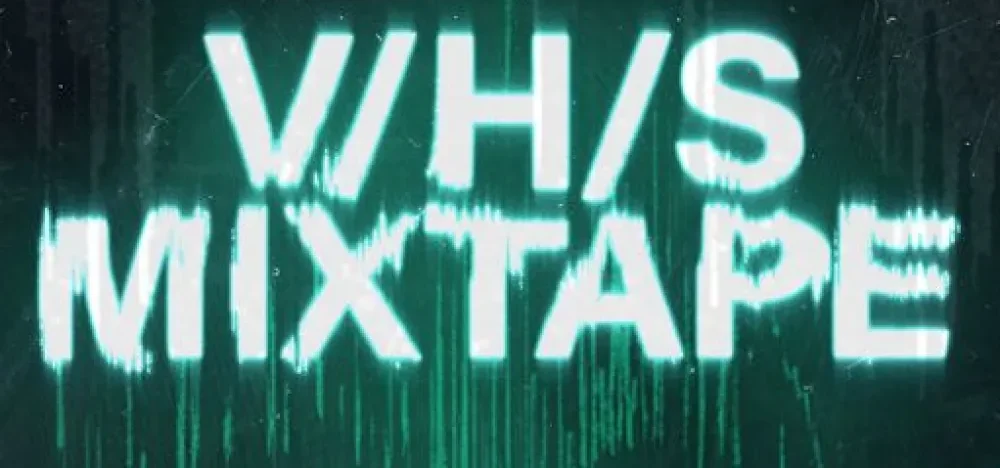
There’s a moment near the end of V/H/S/Mixtape’s cosmic segment where the frequency just keeps climbing. No jump scare. No monster reveal. Just a tone that gets higher and tighter until your shoulders are somewhere up near your ears. That’s the whole trick. According to Gizmodo’s review, the ninth entry in the franchise leans hard into rhythm and signal distortion rather than gore, treating sound itself as the thing that haunts you. It drops on Shudder on October 9, and if you’ve followed this site’s running coverage of what’s streaming there, you already know the anthology format thrives on exactly this kind of slow-build dread.
Here’s the part that surprised me when I started digging into it. The same escalating-tone trick that makes that V/H/S segment unbearable is, almost beat for beat, the design language behind space-themed slot machines. Rising pitch. Expanding void. A sense that something is about to resolve and you have no control over when. For readers who want to see that tension mechanic in action, the IO Games Space slots guide breaks down which titles do it best, and once you notice the pattern you can’t unsee it.
I want to be upfront. I’m not a slots obsessive who stumbled into horror. It’s the other way around. Eighteen years of reading and watching horror professionally trains your ear for dread cues, and once you’ve heard that V/H/S frequency climb, you hear it again the second a cosmic-themed slot reel starts spinning up before a bonus round.
Why Found-Footage Horror Leans on Audio, Not Image
Found-footage horror has a structural problem. The camera is shaky, the lighting is bad, and half the frame is often just static or darkness. So the genre compensates with sound. A rising drone. A pitch that shifts just slightly sharper than comfortable. Your brain can’t quite place it, and that uncertainty does more work than a clear visual ever could.
This isn’t just a filmmaking hunch. Research summarized by the National Library of Medicine on why audiences respond to fear-inducing media points to ambiguity and anticipation as the real drivers of the fear response, not the explicit threat itself. The dread lives in the build, not the reveal. V/H/S/Mixtape’s cosmic segment understands this completely. Nothing coherent ever fully resolves on screen. The tape glitches, the tone climbs, and your imagination fills the rest.
Space horror as a genre has leaned on this for decades. Space.com’s running list of the best space horror films keeps circling back to the same mechanism: isolation plus an unseen, escalating threat beats a clearly rendered monster nine times out of ten. Alien worked because you barely saw the creature. The dread did the heavy lifting.
How Slot Designers Steal the Same Playbook
Now pivot to a cosmic or deep-space themed slot machine. Strip away the jackpot framing for a second and look at the mechanics. A bonus round often opens with a rising audio sting, climbing in pitch exactly the way a found-footage climax does. The reels sometimes slow near a near-miss, visuals pulse, and the whole screen behaves like it’s building toward something it refuses to show you yet.
That’s not accidental. It’s the same anticipation architecture horror directors use, just repurposed for a multiplier instead of a monster. A void-themed reel with black backgrounds and distant stars works on you psychologically the same way a dark, static-filled VHS frame does: your brain fills the gap with tension because there’s nothing concrete to resolve it.
I spun a cosmic-themed title on my phone last week during a commute, more out of curiosity than intent to actually gamble meaningfully, and the bonus trigger sound climbed for a solid four seconds before the reels even moved. Four seconds doesn’t sound like much. It felt like twenty.
The Loss-of-Control Angle
Found-footage horror also strips the viewer of agency. You’re watching through someone else’s shaky camera. You can’t look away from the thing the frame won’t show you, and you can’t intervene. Psychology Today’s piece on the psychology of space films makes a similar point about isolation cinema generally: the fear isn’t really about the alien or the void itself, it’s about being cut off from any sense of control over the outcome.
Slot design chases that same sensation deliberately. Once the reels are spinning, you’ve handed control to an RNG you can’t see or influence. The rising tone during a bonus trigger isn’t informing you of anything mechanically useful. It’s purely there to amplify the feeling that something is happening to you, not something you’re doing. That’s a found-footage sensibility wearing a casino’s clothes.
Is that manipulative? A little, sure. But it’s also just good tension design, the same way a slow push-in shot is manipulative in a well-made horror film. The question isn’t whether the trick works. It’s whether you know it’s being played on you.
Where the Comparison Breaks Down
It’s not a perfect parallel, and I don’t want to oversell it. V/H/S/Mixtape resolves its dread into an ending, even an unsatisfying or ambiguous one. A slot reel resolves into a number. There’s no narrative closure, just outcome. That’s a meaningful difference, and horror fans who go looking for story in a spinning reel will walk away disappointed every time.
There’s also a volatility angle worth naming plainly. High-volatility, cosmic-themed titles use that rising-tension audio far more aggressively than low-volatility ones, because the whole appeal of high volatility is the emotional swing. If you’re the type of reader who already dug into why high-volatility horror slots attract bonus hunters on this site, you’ve basically already read the mechanical skeleton of what I’m describing here, just with ghosts instead of galaxies.
A Shudder Weekend Worth Building Around
V/H/S/Mixtape streams October 9, and if the cosmic segment is even half as sound-driven as the early reviews suggest, it’s worth watching with good headphones rather than laptop speakers. The whole effect collapses if you can’t hear the frequency actually climb.
For anyone who wants to chase that same dread-through-sound sensation in a different format afterward, that’s really the throughline here. A V/H/S segment and a cosmic slot reel are both, fundamentally, machines built to make you feel like something enormous is approaching and you have no say in when it arrives. One ends with a tape cutting to static. The other ends with a number on a screen. The feeling in the thirty seconds before either resolution is nearly identical, and that’s not a coincidence. It’s the same design brief, executed in two very different mediums.
Frequently Asked Questions
Does V/H/S/Mixtape actually include a cosmic horror segment, or is that just marketing language? Yes. Early reviews describe the ninth installment leaning into music and signal distortion as core horror devices, with at least one segment built around escalating audio rather than a visible creature. The streamer’s own October lineup frames it as the anthology’s most sound-driven entry yet.
Why do space-themed slots use rising audio tones so heavily? Rising pitch creates anticipation without giving the player new information, which keeps tension high during bonus rounds. It mirrors the same anticipation-building technique found-footage horror relies on, where ambiguity does more emotional work than a clear visual payoff.
Is the dread in horror films and slot bonus rounds psychologically the same thing? They overlap but aren’t identical. Both exploit anticipation and loss of control, which research on fear response in media supports. The key difference is resolution: horror resolves into narrative, slots resolve into a number, so the emotional aftertaste differs even if the build-up feels similar.
Are high-volatility slots more likely to use these dread cues than low-volatility ones? Generally, yes. High-volatility titles lean into dramatic audio and visual escalation because the appeal is the emotional swing between near-miss and payout. Low-volatility titles tend to use calmer, more repetitive cues since big emotional peaks aren’t really the selling point.
Where can I watch V/H/S/Mixtape? It’s a Shudder exclusive, streaming from October 9, 2026, as part of the platform’s October horror lineup alongside several other new releases arriving on a weekly Friday schedule throughout the month.
Gambling involves risk. Please play responsibly and only wager what you can afford to lose. If you feel gambling is becoming a problem, visit BeGambleAware.org or call 1-800-GAMBLER.