By Callum R. | Former odds compiler turned iGaming writer, 6 years tracking live markets. Tested October 2026.
Why ‘Rising Number’ Horror Like Aviator Games Hooks Us Harder Than a Jump Scare
Something in your chest tightens the longer a number climbs. Not when it jumps. When it climbs.
GNoH already dug into this in Why a Rising Number Can Feel More Intense Than a Jump Scare, and the core idea stuck with me for weeks after I read it. A jump scare spends its energy in a quarter of a second. A rising multiplier spends it slowly, on purpose, and makes you complicit in your own dread because you’re the one deciding when to look away. That’s a different kind of horror. It’s the horror of agency.
I used to compile live odds for a living. Not horror games, sportsbooks. And the first time I read that GNoH piece, I recognised the mechanic immediately, because I’d watched it do the exact same thing to football bettors at 94 minutes with the score level and the in-play price drifting out by the second. The tension doesn’t come from what happens. It comes from not knowing when it’ll stop happening. Readers curious where that same live-number tension gets engineered on purpose, outside of a horror game, tend to end up looking at https://www.warcraftmovies.com/us/offshore-sportsbooks, where in-play markets run on the identical rising-and-collapsing rhythm.
Let’s get into why your brain can’t look away from either one.
The gap between a scare and a dread
A jump scare is a spike. One moment of startle, then release, then it’s over. A rising number is a held breath. Your nervous system doesn’t get the relief of a single shock; it gets asked to sit in uncertainty for an extended, unresolved stretch, and that’s measurably more taxing.
There’s a body of research on this that goes well beyond horror games. A 2024 piece in Frontiers in Psychiatry looked at near-miss effects in gambling contexts and tracked real physiological arousal, heart rate shifts tied directly to the anticipation window before an outcome resolves. Not after. Before. The waiting is the event. The outcome is almost an afterthought by comparison.
That tracks with what PsyPost reported on predictive-processing theory in horror film: slow-building suspense forces your brain to keep generating and revising predictions in real time, and that active prediction work is cognitively stickier than a passive flinch. A jump scare interrupts prediction. A rising number demands it.
Why the multiplier feels like it’s watching you back
Here’s the part that gets under my skin specifically. In a crash-style game, the number isn’t just rising, it’s rising at you Every tick past the point where you’d normally cash out is a tiny negotiation with your own nerve. Stay in. Get out. Stay in.
That’s not incidental design. It’s the same architecture ScreenRant points to in films that skip gore entirely and lean on sustained anticipation instead. Nobody jumps out of their seat during a slow dolly shot toward a closed door. But plenty of people grip the armrest. That grip is the thing designers are actually chasing, in horror and in odds markets alike.
I’ve sat at a sportsbook terminal watching a live NFL moneyline shift three times in ninety seconds during a two-minute drill. Nobody screamed. Everyone leaned forward. Same muscle, different trigger.
Where this shows up outside the game screen
Live in-play betting runs on an almost identical loop to a rising-number horror mechanic. The number (the odds price) moves continuously while the outcome stays unresolved, and the bettor has to decide, mid-climb, whether to act or hold. Cash out now at reduced value, or ride it and risk the line moving against you entirely.
I’ll be honest about the mechanics here because I used to build them. Compilers deliberately widen or tighten in-play margins during high-tension windows, injury stoppages, a penalty shootout, the final two minutes of a one-score game, because that’s exactly when recreational money moves fastest. It’s not an accident that the price ticks visibly during those stretches. Someone designed it to tick visibly.
This isn’t a uniquely American or uniquely niche thing either. Bettors in the UK, Ireland, and across Europe engage with the same live markets, watching the same number climb during a penalty shootout or a tiebreak, and the psychological pull reads identically regardless of which football code or which currency is on the line.
The failure mode nobody talks about
Here’s where I’ll push back on my own industry a little. Near-miss design isn’t neutral. A peer-reviewed neuroimaging study published via PMC found that near-miss outcomes in gambling activate reward circuitry that overlaps meaningfully with actual wins. Your brain doesn’t fully distinguish “I almost had it” from “I had it.” That’s a feature for engagement and a genuine problem for anyone who struggles to stop.
Horror games get to use this mechanic purely for thrill because nothing real is at stake when the multiplier crashes. A live betting market doesn’t have that luxury. The thrill is identical. The consequences aren’t.
I think that distinction matters more than most writers in either space bother to make. A rising number in a horror essay is a metaphor. A rising number on a live odds board is your money.
Not every climb deserves your attention
Not every rising-number mechanic is built with the same care either. Some horror games pad the climb with nothing, just a timer and a bigger font, hoping length alone reads as tension. Promega Connections notes that genuine dread needs variable pacing, false relief points, moments where the tension dips before it spikes again, not a flat linear climb. The same is true of a live odds line. A market that just drifts in one direction with no inflection points gets boring fast. The ones that hold attention are the ones with real swing.
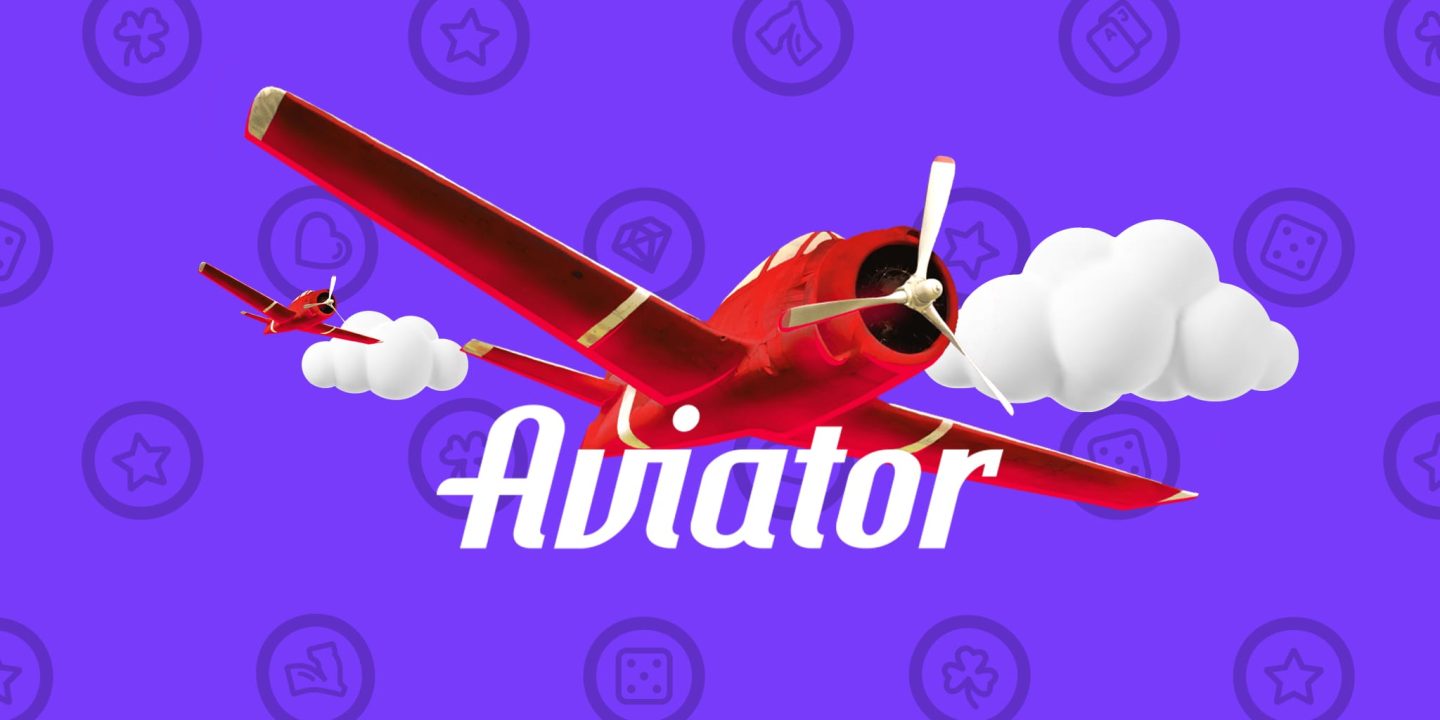
If you’re the type of reader who noticed that in the Aviator piece and wanted to know where else it’s engineered on purpose, that’s really the whole answer. It’s in horror design theory, and it’s in live markets. Same nervous system, two different rooms.
FAQ
Is a rising-number mechanic actually scarier than a jump scare? Scarier isn’t quite right, it’s a different kind of fear. Jump scares trigger a short, sharp startle response. Rising-number tension sustains low-grade anticipatory dread over a longer window, which research links to more active cognitive engagement and stronger physiological arousal during the build.
Why do near-misses feel almost as good as wins? Peer-reviewed neuroimaging research has found that near-miss outcomes recruit reward circuitry that overlaps with actual wins. Your brain treats “almost” as partial success rather than a clean loss, which is exactly why a rising multiplier that crashes just short still feels oddly satisfying.
Do horror games and gambling mechanics actually share design DNA? Largely, yes. Both rely on variable pacing, false relief points, and unresolved anticipation to hold attention. The difference is stakes: a horror game’s tension resolves with nothing real lost, while a live betting market’s tension resolves with actual money.
Why does live in-play betting feel more intense than placing a bet before kickoff? Pre-match odds are fixed and settled before anticipation builds. In-play odds move continuously while the outcome is still live, which keeps the bettor in a constant decision loop, hold or cash out, that mirrors the rising-multiplier mechanic almost exactly.
Gambling involves risk. Please play responsibly and only wager what you can afford to lose. If you feel gambling is becoming a problem, visit BeGambleAware.org or call 1-800-GAMBLER.
The number keeps climbing either way
Whether it’s a crash multiplier on a screen or a live odds price ticking over during a penalty shootout, the mechanic doesn’t care which room you’re sitting in. It’s built to hold your eyes on the climb for as long as possible. GNoH’s readers already understood that instinctively from the horror side. The rest of us just happened to watch it get engineered for a different kind of audience.
Next time you catch yourself leaning forward at a rising number, horror game or betting screen, it’s worth asking which part of you is actually doing the leaning. If you’re after more on how small habits shape the way we sit with discomfort day to day, GNoH’s own piece on the small rituals that keep travelers grounded is a good companion read, same idea, entirely different context.


