
Why Interactive Features Keep Users Engaged
You probably know the feeling of opening an app and drifting through it without really doing anything. Then a poll appears, a slider follows your finger, or a quiz asks for your opinion, and your attention sharpens. Taking part changes how you treat a page: you stop reading from a distance and start steering. Designers have noticed this for years, and your own habits probably explain why it works.
You Get an Instant Response
When you tap a button and something reacts straight away, your brain links your action to the result. A recipe site that lets you change the number of servings and rewrites every ingredient quantity on the spot saves you from doing the sums yourself. You trust the page more because it answers you, and you carry on because each small reaction confirms you are getting somewhere. A static list leaves you to work everything out alone, and many people give up halfway through.
You Shape What You See
People value what they have helped build. A fitness app that asks about your goals and then drafts a weekly plan around them feels like your plan, not generic advice. If you run a website, you can borrow the idea by asking one short question at the start, such as “What do you want to achieve this month?”, and using the answer to change what appears next. Visitors spend a few seconds replying, and they see content that fits them in return.
You Enjoy a Little Play
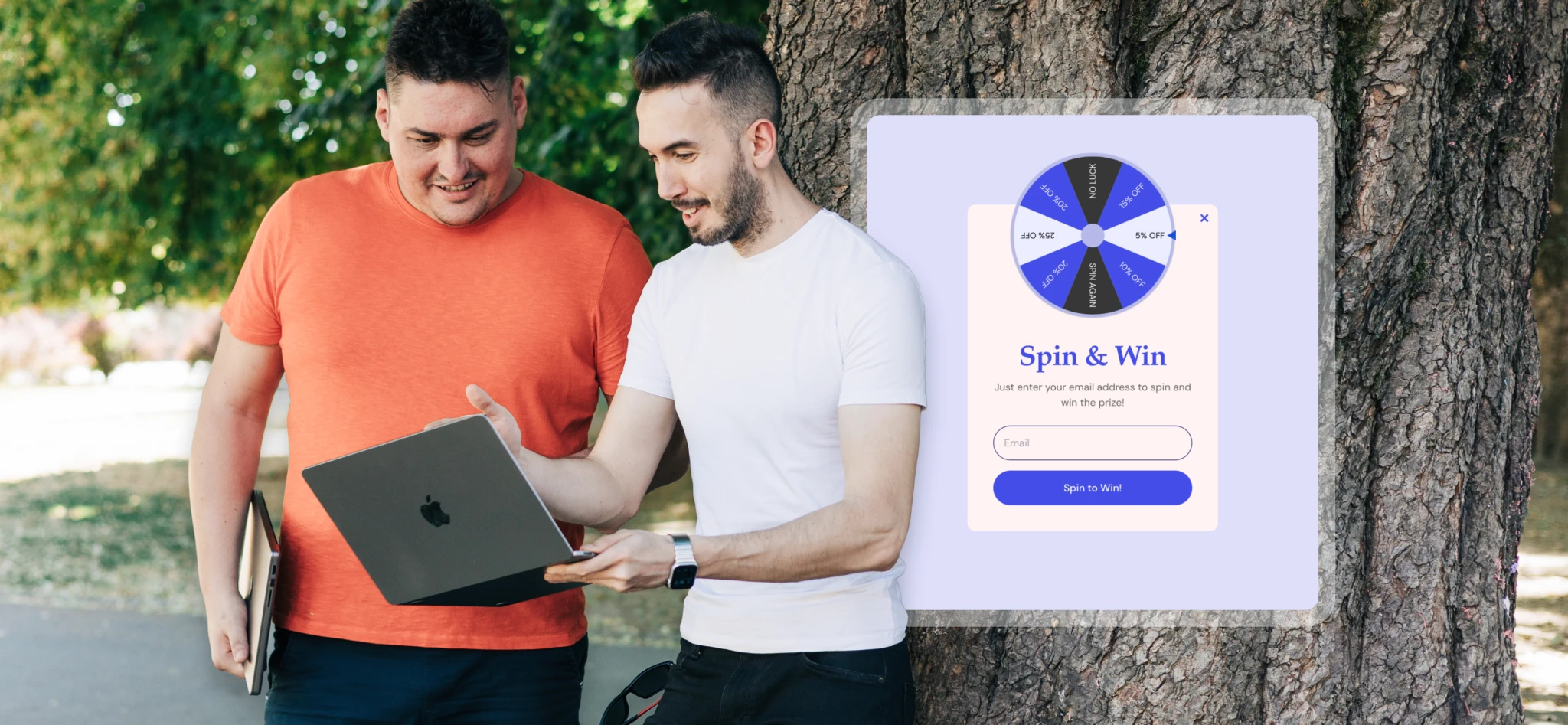
Light play holds your attention because it gives you a small goal and a clear finish line. A quiz that scores your answers, or a streak counter that notes how many days in a row you have visited, turns passing curiosity into a habit. Games built around chance rely on a similar pull. If you try a bingo site, for example, the chat rooms and short rounds appeal mainly because they pair a simple task with company. You should treat that kind of activity as paid entertainment, never as a way to earn money, because chance decides every outcome. Setting a deposit limit before you begin helps you stay in control. Only adults aged 18 or over can play.
You Remember What You Do
You forget a paragraph about mortgages quickly, but you tend to remember the moment you typed in your own figures and watched the monthly payment change. Taking part forces you to process information rather than skim it. A teacher who asks learners to drag labels onto a diagram, rather than reading a caption, often finds they recall the layout weeks later. Keep each interaction short, though. If a feature asks for six steps before it shows you anything useful, you will probably close the tab, and few people would blame you.
Keep reading on Ginger Nuts of Horror
 Myth, Magic and Cats: Kristen J. Sollée and Lindsay Merbaum
 Keith Rosson’s Coffin Moon: A Gripping Descent into Darkness
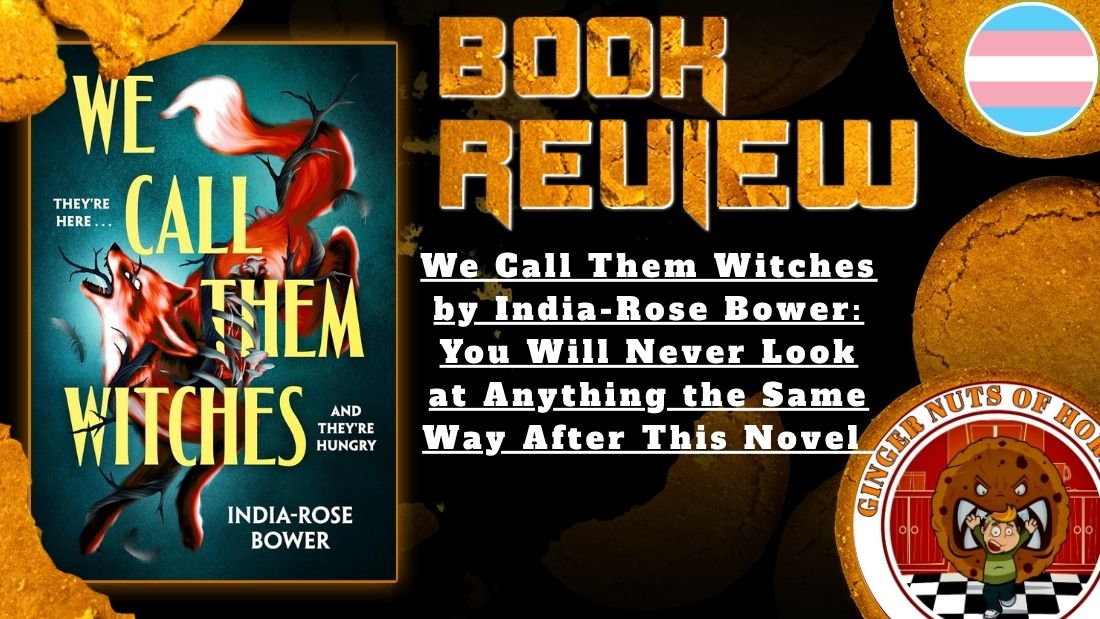 We Call Them Witches by India-Rose Bower: You Will Never Look at Anything the Same Way After This Novel
About Ginger Nuts of Horror
Ginger Nuts of Horror is an independent horror review and culture site based in Edinburgh, Scotland. Edited by British Fantasy Award nominee Jim McLeod, it publishes horror book reviews, film reviews, author interviews, features and cover reveals. Ginger Nuts of Horror won Best Inclusive Film & Book Review Platform at the SME News UK Enterprise Awards 2026.