Why Horror Franchises Refuse to Die: Fear, Fandom, and the Business of Endless Sequels
Horror has always had a strange relationship with death. Monsters fall through windows, killers burn in house fires, demons are banished, curses are broken, and yet the audience knows better. If the mask is iconic enough, the grave is never final.
That is not a criticism. In fact, it may be one of the genre’s great pleasures. Horror fans understand resurrection better than anyone. We know that a body disappearing from the floor is not a plot hole; it is a promise. We know that a final girl surviving one nightmare does not mean the nightmare has finished with her. We know that a franchise can be battered, mocked, rebooted, abandoned and still crawl back under the door years later, somehow both familiar and freshly unpleasant.
The question is not simply why studios keep making sequels. That answer is easy enough: money. The more interesting question is why audiences keep returning, even after disappointment, fatigue and the occasional entry that feels like it was written on a napkin in a dark pub.
The Comfort of Returning to Unsafe Places
Horror franchises work because they offer a contradiction. They are frightening, but also safe. A new story set in an unknown world has to earn our attention from nothing. A sequel arrives with built-in dread. We already know the shape of the threat. We know the rules, or at least we think we do.
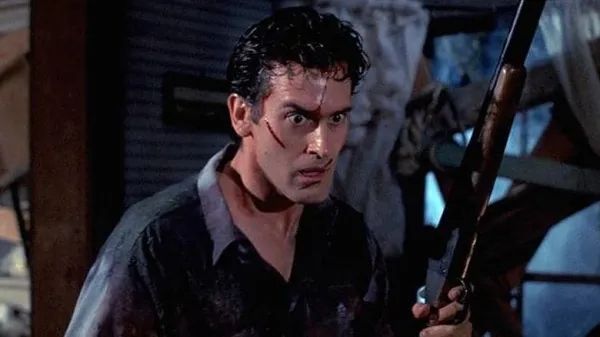
There is comfort in that. Crystal Lake, Haddonfield, Springwood, the Overlook-adjacent corners of Stephen King adaptations, the woods of The Evil Dead, the grimy traps of Saw — these places become part of a shared horror map. They are not comforting in the warm sense, obviously. No sane person wants to spend a weekend at Camp Crystal Lake. But for viewers, they are recognisable arenas. We return because we want to see how the familiar machinery will be rearranged.
The slasher sequel is especially good at this. It rarely pretends to be a completely new invention. The pleasure comes from variation: a new group of victims, a new setting, a slightly different rhythm to the stalking, a more elaborate kill, a returning survivor who carries old trauma into fresh chaos. The formula is not always a weakness. In horror, ritual matters. The audience knows the chant and still wants to hear it again.
That is why even weaker sequels can hold a strange fascination. A bad entry in a horror franchise is still part of the folklore. Fans argue over it, defend it, laugh at it, reassess it years later, and sometimes discover that what once looked like failure now feels oddly charming. Horror has always been kinder to its misfits than prestige cinema.
Monsters Become Brands, But Fans Make Them Myth
There is no point pretending the business side is irrelevant. Horror is famously attractive to producers because it can be made lean, sold clearly and marketed around a sharp central image. A mask. A doll. A house. A videotape. A puzzle box. A smile in the dark.
But horror fandom is not passive. Studios may own the properties, but fans help decide which monsters become myth. Michael Myers is not only a character in a series of films; he is an atmosphere. Ghostface is not only a killer; it is a costume, a voice, a commentary machine that can be worn by almost anyone. Pinhead, Freddy Krueger, Chucky, Leatherface and Jigsaw survive because they have become shorthand for specific kinds of fear.
That shorthand matters. The business of horror franchises depends not just on recognisable titles, but on the way fans continue to discuss timelines, box office performance, production choices, tonal shifts and the strange afterlives of films that were once dismissed as disposable.
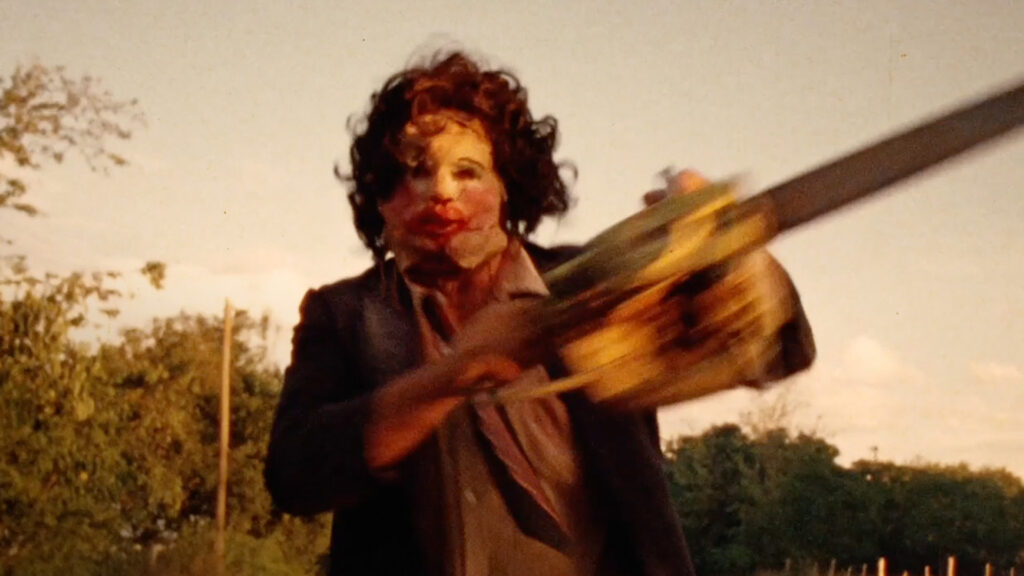
The longer a franchise runs, the more it becomes a conversation rather than a straight line. Halloween is not one continuous story so much as a battlefield of continuities. The Texas Chain Saw Massacre has been sequel, remake, prequel, legacy sequel and tonal experiment. Scream has survived partly because it understands that the audience is always watching the machinery as much as the murder.
This is where horror differs from many other genres. Fans do not merely ask, “Was it good?” They ask, “What did it do to the mythology?” They ask whether the killer still feels dangerous, whether the rules still make sense, whether the new film respects the old scars or just waves them around for nostalgia. The audience can be generous, but it is rarely asleep.
Sequels Let Horror Argue With Itself
The best horror sequels do more than repeat. They argue with the original. Aliens turns haunted-house-in-space terror into war-movie panic. A Nightmare on Elm Street 3: Dream Warriors expands Freddy’s dream logic into something almost superheroic without losing the cruelty underneath. Evil Dead II mutates horror into slapstick delirium and somehow makes the nightmare more memorable.
Even when sequels fail, the failures can be revealing. They show what a franchise cannot survive. Too much explanation can kill mystery. Too much comedy can blunt danger. Too much reverence can become taxidermy. A horror icon needs to be recognisable, but not embalmed.
That is why the modern “legacy sequel” is such a tricky beast. Bring back the original survivor and you gain emotional weight. Lean too heavily on the past and the film starts to feel like a museum tour with jump scares. The stronger examples understand that trauma cannot just be used as decoration. If Laurie Strode, Sidney Prescott or Sally Hardesty returns, the story has to reckon with what survival costs, not simply put them beside a younger cast and hope applause does the rest.
Horror audiences can smell empty nostalgia. They may enjoy a familiar theme tune or a lovingly recreated shot, but they also want a reason for the corpse to sit up again. The genre is built on repetition, yes, but repetition without escalation or mutation becomes dead air.
Death Is Only the Interval
The real reason horror franchises refuse to die is that horror itself is about unfinished business. The buried thing comes back. The town keeps its secret. The family curse moves to the next generation. The survivor lives, but not cleanly. Evil is defeated for now, which in horror is just another way of saying the lights have gone out between chapters.
That structure suits franchises perfectly. Every ending can be final until it is not. Every monster can be destroyed until someone finds a new angle, a new fear, a new audience or simply a new way to make the old wound bleed.
Of course, not every sequel deserves resurrection. Some are cynical. Some are lazy. Some misunderstand the very thing they are trying to revive. But the impulse behind them is not automatically bankrupt. Horror has always thrived on return: ghosts returning to houses, killers returning to towns, memories returning to those who tried to bury them.
A good horror franchise does not live forever because it avoids death. It lives because death is part of its rhythm. The blade falls, the credits roll, the fans argue, the years pass. Then somewhere, in a boardroom or a writer’s notebook or a fan’s stubborn imagination, the hand twitches again.
Ginger Nuts of Horror: The Heart and Soul of Horror Reviews

Looking to get your horror book or film in front of the genre’s most dedicated audience? Ginger Nuts of Horror is one of Europe’s largest independent horror review websites, with over 30 contributors publishing horror book reviews and horror movie reviews almost every single day.
We offer far more than reviews. Authors, filmmakers and publishers can promote their work through in-depth horror book reviews, horror film reviews, comic and video game coverage, news features, and our popular author and director interviews like Five Minutes With. Our guest feature series, The Horror of My Life, Childhood Fears, The ? That Made Me and more, let creators tell their story while promoting their latest release.
Every feature is built to sell your work. We include backlinks to your website or Amazon author page, a full synopsis, and a universal purchasing link that sends readers straight to their local store. Add a large, engaged social following and an 18-year archive of trusted horror coverage, and you have a platform genuinely built to grow your readership.
Whether you’re an established author, an indie filmmaker, or a debut voice in indie horror, there’s a way for us to help you reach more fans. Explore our horror book reviews and horror movie reviews, then get your horror book or film featured today.