
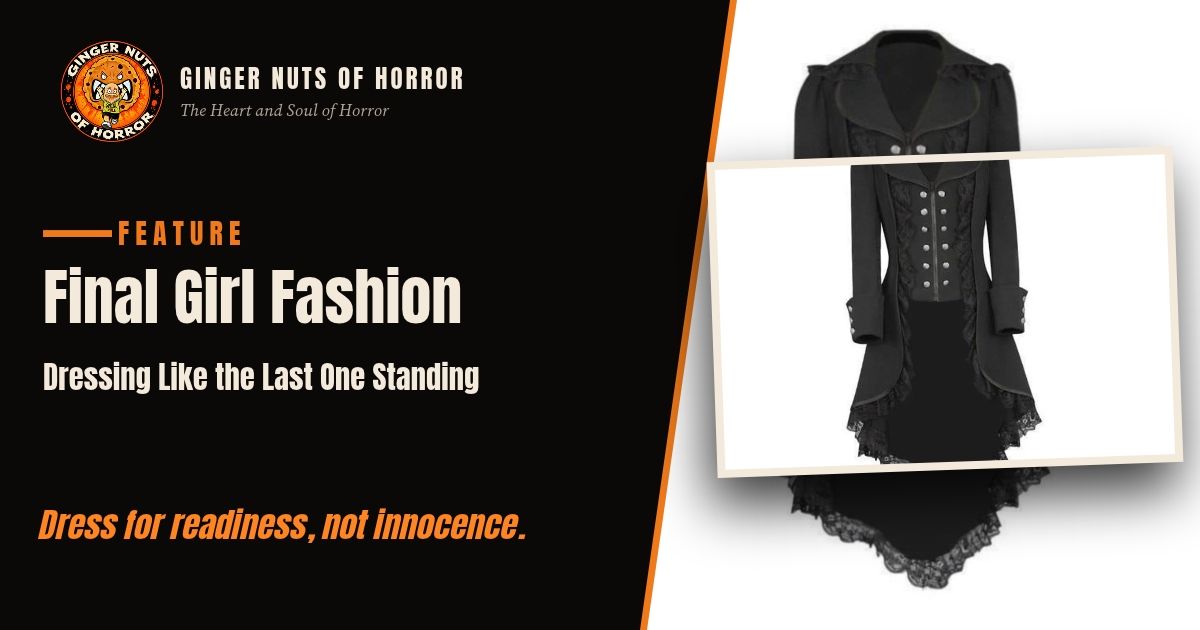
Final girl fashion is the reason horror fans keep dressing like the survivor long after the credits roll. In this guest feature for Ginger Nuts of Horror, Rocky, who writes about gothic fashion and runs the Hamburg store ROCK CLOTHING, traces that look from Victorian mourning dress through the denim and plaid of the slasher era to today’s dark streetwear. Black layers, sturdy boots and pockets that actually hold things all turn up along the way. Rocky’s argument is that the appeal has little to do with costume and a lot to do with readiness. It is a case that belongs among our horror features, and it starts with the final girl herself.
The final girl’s wardrobe is a set of choices that have stayed useful for more than a century: black as armour, layers for the worst case, boots you can run in. Dressing like her is less about innocence than about readiness, and it is a small daily way of borrowing the nerve of the person who survived the night.
Final Girl Fashion: Why the Survivor’s Wardrobe Still Works
The final girl never set out to be a fashion icon. She survives because she notices things, the sound behind the door, the shape in the mirror, the friend who stopped answering, and because she keeps moving when running in heels would have killed her. Her clothes are part of that survival. They are practical, layered, a little out of step with everyone else in the room, and they tell you who she is before she says a word.
That is why horror fans keep dressing like her long after the credits roll. Gothic fashion is the everyday version of the final girl’s wardrobe: black layers, sturdy boots, a silhouette that looks ready for something. It is not a costume. It is a way of carrying the films you love into a Tuesday afternoon.
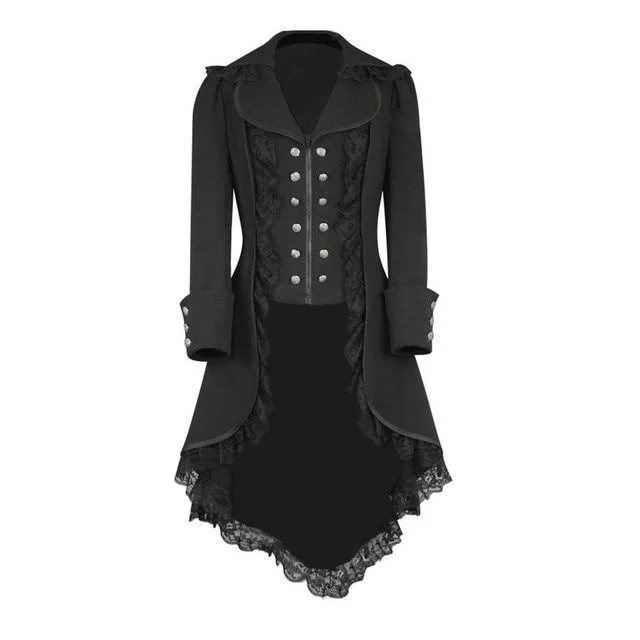
It starts, fittingly, with mourning. The Victorian widow in black lace and a high collar is the final girl’s great-grandmother, a woman dressed for grief who refused to disappear. The look survives in modern goth wardrobes almost unchanged: long skirts, lace cuffs, a choker, a coat that closes all the way up. Worn today it reads less as period dress and more as armour. Black does not ask for attention the way bright colours do. It lets the wearer decide when to be seen.
The slasher era gave that armour a harder edge. Think of the girls who made it to the last reel in the late seventies and eighties: denim, plaid shirts, a jacket grabbed on the way out of the door, hair tied back because there is no time for anything else. The clothes are ordinary on purpose. That ordinariness is the point, the horror works because it happens to someone who looks like you, in clothes you could own. Modern dark streetwear keeps the same logic: a black hoodie, ripped jeans, platform boots. Nothing in the outfit is trying to impress anyone. Everything in it is built to move in.
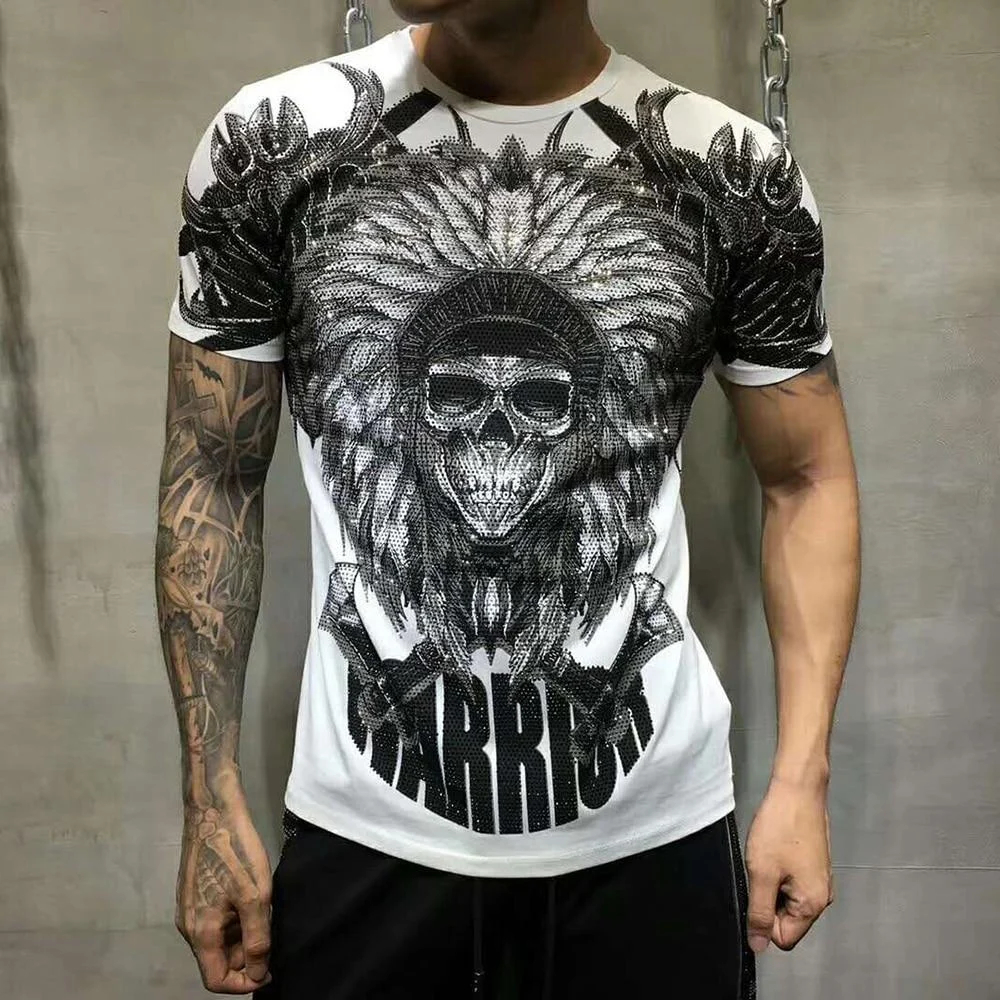
What changed between the Victorian widow and the modern streetwear fan is not the colour palette but the attitude. The final girl used to be defined by what she did not do, she did not drink, did not sneak out, did not break the rules. The modern version keeps the vigilance and drops the moralising. She is the one who read the situation correctly, who trusted her instincts when everyone else laughed them off. Dressing like her is less about innocence than about readiness: layers you can run in, boots you can stand in for hours, pockets that actually hold things.
That readiness is also why the look works outside the cinema. A long black coat over a band tee, a corset worn as outerwear over a plain shirt, a pair of heavy boots with a skirt, these are outfits assembled the way a final girl assembles a plan, from whatever is to hand. Nothing matches perfectly, and that is the charm. The Victorian lace softens the leather; the leather toughens the lace. The contrast is the whole aesthetic: soft against hard, delicate against durable, mourning against defiance.
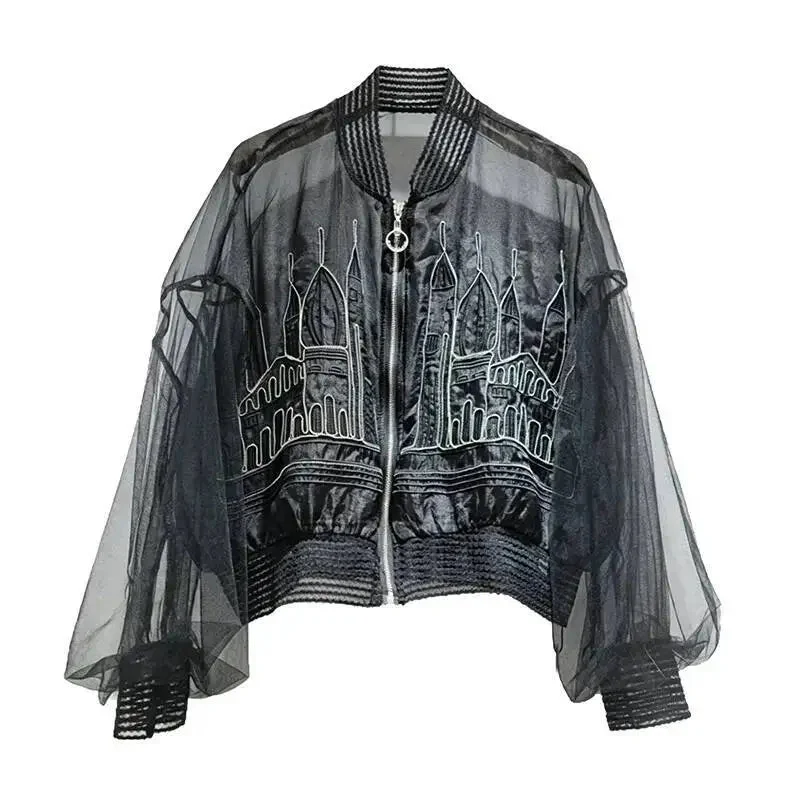
There is a quieter reason the look endures, too. Horror has always been the genre where the audience identifies with the person in danger rather than the monster, and the final girl is the purest form of that identification. She is afraid and she keeps going anyway. Wearing her clothes is a small, daily way of borrowing that nerve. A black outfit does not make anyone braver. But on a bad day, dressing like the person who survived the night is not a bad place to start.
So the final girl’s wardrobe is not really about any single film, or any single decade. It is a set of choices that have stayed useful for more than a century: dress in black, layer for the weather and the worst case, wear boots you can run in, and let the clothes say you are paying attention. The films change. The girl at the end of them, tired, torn, still standing, does not.
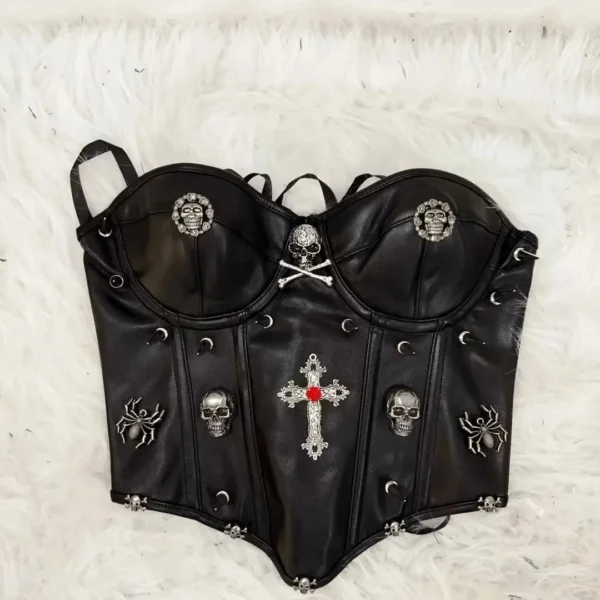
Final girl fashion comes down to one rule that the friends in heels never learn: wear boots you can run in.
Keep reading on Ginger Nuts of Horror
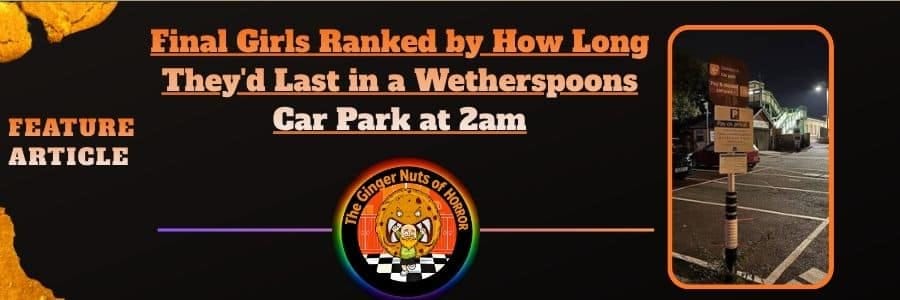 Final Girls Ranked by How Long They’d Last in a Wetherspoons Car Park at 2am
 The Final Girl Support Group: A Horrifying Exploration of Survival
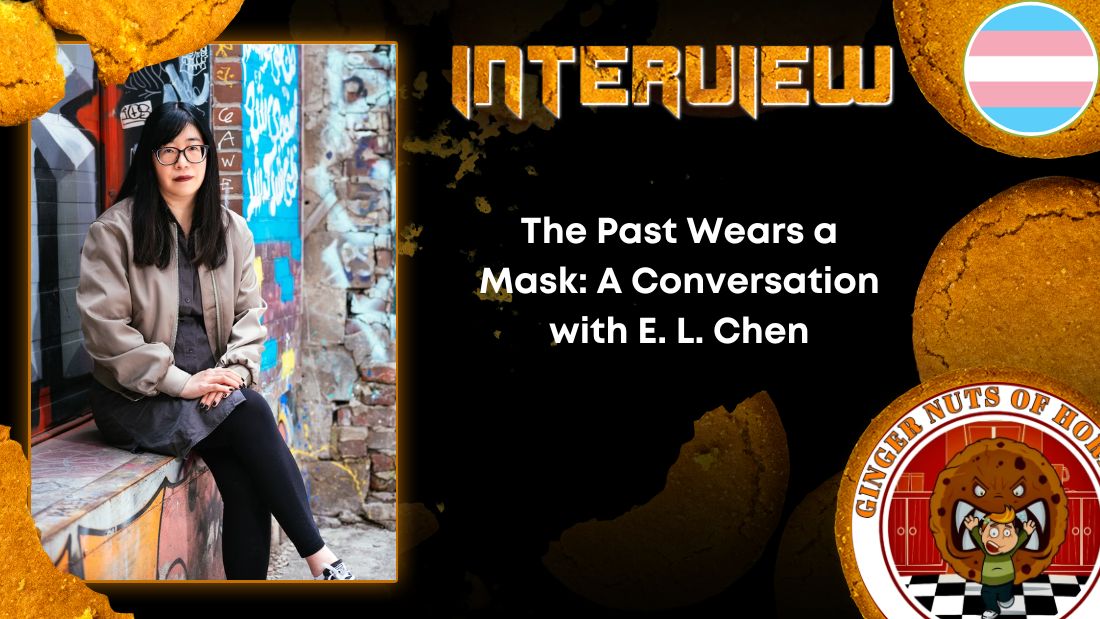 The Past Wears a Mask: A Conversation with E. L. Chen
About Ginger Nuts of Horror
Ginger Nuts of Horror is an independent horror review and culture site based in Edinburgh, Scotland. Edited by British Fantasy Award nominee Jim McLeod, it publishes horror book reviews, film reviews, author interviews, features and cover reveals. Ginger Nuts of Horror won Best Inclusive Film & Book Review Platform at the SME News UK Enterprise Awards 2026.


