Slasher Summer drops seven friends, each named after a slasher icon, back into the cabin where a cult ’80s film was shot. E. L. Chen talks to Ginger Nuts of Horror about the Final Girl, slasher tropes, the nostalgia economy, and writing diverse horror into a canon that killed people like her first. From Sweetside Motel to a Final Girl she keeps marching back onto set, Chen is the literary slasher’s sharpest new voice.
Horror Interviews
Horror authors and filmmakers talk to Ginger Nuts of Horror about their new books and films, the influences behind them, and how they build fear on the page and on screen.
Stephanie Campisi’s The Unfinished Business: A Cosy Ghost Story
Stephanie Campisi’s The Unfinished Business is a cozy middle-grade ghost story that treats grief and letting go with rare honesty. I dig into the craft, the comedy, and why this spooky middle grade ghost story for kids about found family and the dead we carry sits out in front of where the genre is heading.
Stephanie Campisi on The Unfinished Business and the Ghosts We Keep
Stephanie Campisi kills off her mentor figure on page eighteen and rehires her as a ghost. In this interview the author of The Unfinished Business talks through her middle grade ghost story: grief played for laughs, a factory fire turned labour satire, and the one death the book refuses to console. Required reading for anyone tracking where cosy horror for kids goes next.
Carlyn Greenwald on Her Queer Slasher What Happened to Those Girls
Carlyn Greenwald’s What Happened to Those Girls drops her most moody, body-horror-heavy book yet: a sapphic YA slasher where the toxic friend group doesn’t dissolve when the killer arrives — it’s the whole point. The Murder Land author talks survivor’s guilt, autistic representation, interstitial “found footage” chapters, and why losing someone who hurt you is its own kind of grief.
Rebecca Barrow on Doe: Inside Her YA Horror Novel in Verse
Rebecca Barrow’s Doe is a YA horror novel in verse about a cheer captain, a centuries-tired deer creature, and the dangerous pull between girls. In our interview, Barrow digs into feminist horror, female rage, and why she wrote the squad as a single hive-mind “we.” A must-read for fans of Bad Things Happen Here and dual-timeline horror.
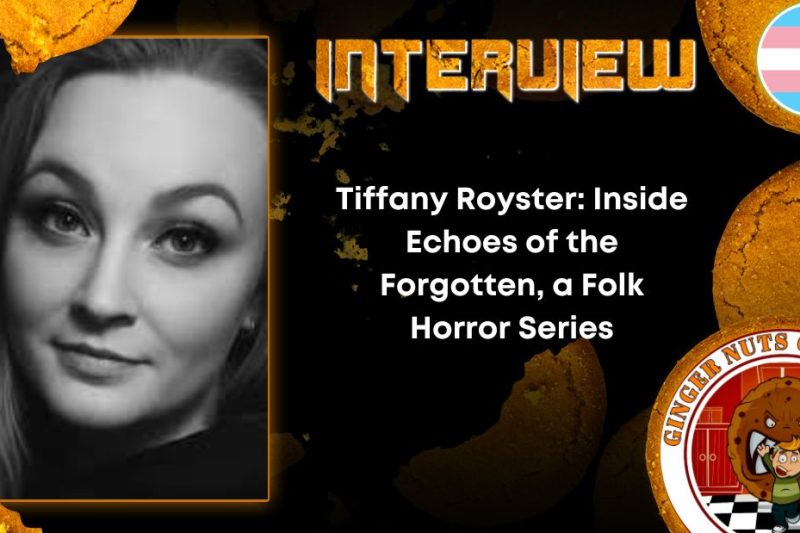
Tiffany Royster: Inside Echoes of the Forgotten, a Folk Horror Series
Horror author Tiffany Royster launched Echoes of the Forgotten on 12 June 2026, a folk horror series built on horror folklore and twelve standalone stories. In our interview she explains how the Broken Spine collective came together in twenty-four hours, why every author shares an equal voice, and what her own story Warden Tree adds to this multi-author horror series. She also hints at what the family plans to release next.
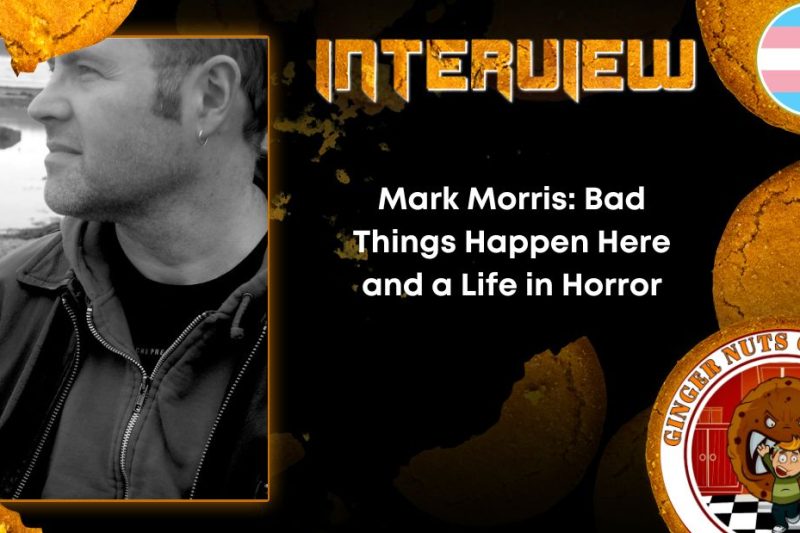
Mark Morris: Bad Things Happen Here and a Life in Horror
Mark Morris has been writing British horror fiction since 1989, and Bad Things Happen Here may be his most emotionally precise novel yet. In this wide-ranging interview, he talks about intergenerational fear, the Nordic folklore that shaped That Which Stands Outside, and what it actually takes to survive four decades in a genre that has buried far bigger names. Essential reading for anyone who takes UK horror seriously.
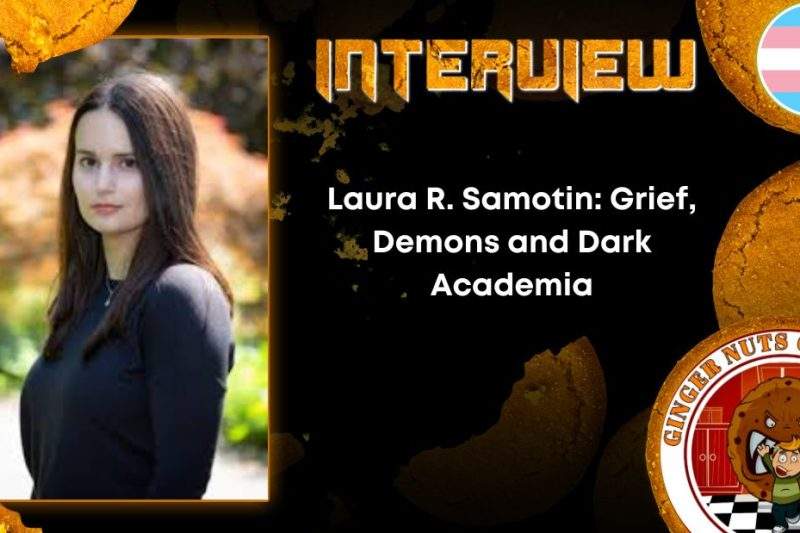
Laura R. Samotin: On Grief, Demons and Dark Academia, All Because it was The Way it Haunted Him
Laura R. Samotin interview: her new queer dark academia horror The Way It Haunted Him channels Jewish folklore, grief, and a demon-infested archive.
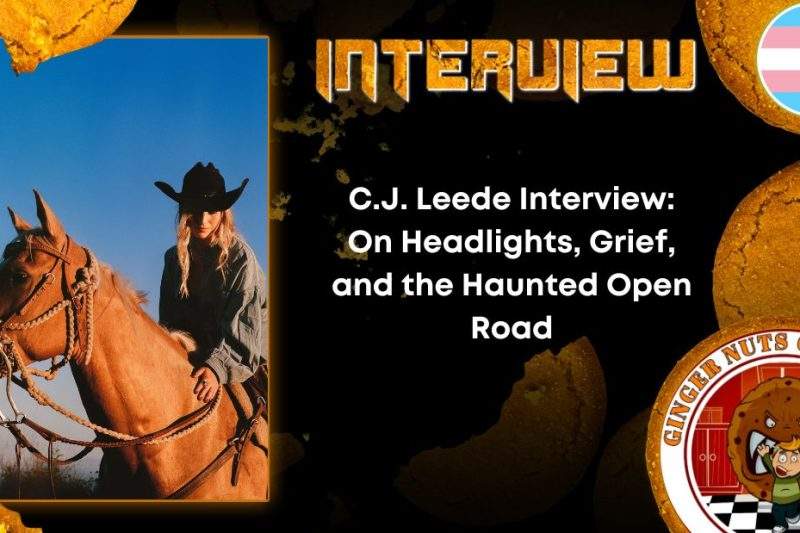
C.J. Leede Interview: On Headlights, Grief, and the Haunted Open Road
C.J. Leede interview exploring her third horror novel Headlights, the grief-haunted open road, and why this quieter book may be her most unsettling yet.
Sarah Langan: How Trad Wife Turns the First‑Person Perspective into a Weapon of Horror
Sarah Langan breaks down how her neo-gothic horror novel Trad Wife uses a disintegrating narrator to expose the nightmare beneath influencer culture’s polished surface.