


Trends in MMA Fighter Training in Canada: Technology and Science
Canadian MMA fighters are no longer relying on pure instinct for their training – Every movement they make is being quantified, recorded, and improved upon. Camps are combining experience with data to eliminate all but the smallest advantages. The preparation process appears more targeted, intentional, and much less susceptible to deception. If you would like to view a deeper look at how fighters are created these days, please continue reading below.
How Data Is Changing Daily Training Decisions
In Canada’s current MMA training camps, coaches rely heavily on real-time data from each fighter’s workouts. They track heart rate, recovery, and total output throughout each session, and fighters follow their progress through the Melbet login alongside coaching feedback. Instead of using static plans, coaches now adjust each session based on how the athlete actually feels. This approach reduces injuries and keeps fighters consistent throughout the entire camp.
Video Analysis has also become a staple of the sport. Video analysis is no longer optional; it is required. A fighter will analyze sparring footage to improve their timing, spacing, and defensive reaction time. By correcting small errors quickly, a fighter will develop better habits before he or she ever steps into the ring on fight night.

The Tools That Are Redefining Preparation
Technology now sits inside almost every serious gym in Canada. It doesn’t replace coaching, but it sharpens decisions and removes guesswork. Fighters understand their bodies better and adjust faster than before.
Key tools shaping modern MMA training:
- Wearable trackers that monitor heart rate, sleep, and recovery trends
- Motion sensors that break down striking speed and movement efficiency
- AI-assisted video analysis for tactical improvements
- Altitude and conditioning chambers that simulate extreme environments
These tools give fighters clarity. They no longer rely on feeling alone, because numbers show exactly where they stand. That awareness changes how they train and recover.
Science Behind Strength, Recovery, and Endurance
Modern camps no longer separate strength, conditioning, and recovery. Fans follow fights, study matchups, and check Melbet insights while watching how fighters develop complete systems. Everything connects, and each element supports the other inside the training process. Fighters now build systems instead of focusing on isolated skills.
Strength Training Is Now About Efficiency, Not Just Power
Canadian fighters focus less on ego-lifting and more on functional strength. Movements are designed to match fight situations, not gym records. Explosiveness, balance, and endurance now matter more than raw numbers. That shift creates athletes who last longer and react faster.
Coaches also monitor fatigue closely during strength sessions. Overtraining was common, especially during intense camps. Now, adjustments happen immediately when performance drops. That keeps fighters fresh instead of worn down before competition.
Recovery Has Become a Core Part of the Fight Plan
Recovery is no longer something done after training. It is built into the schedule. Fighters use cold exposure, physiotherapy, and guided stretching to stay ready. Sleep tracking helps them understand when the body is actually recovering properly.
Nutrition also plays a bigger role than before. Fighters work with specialists to manage energy levels and weight cuts safely. That approach reduces last-minute stress and improves performance on fight day. Recovery now protects progress instead of fixing damage.
Why Canadian Fighters Adapt Faster Than Before
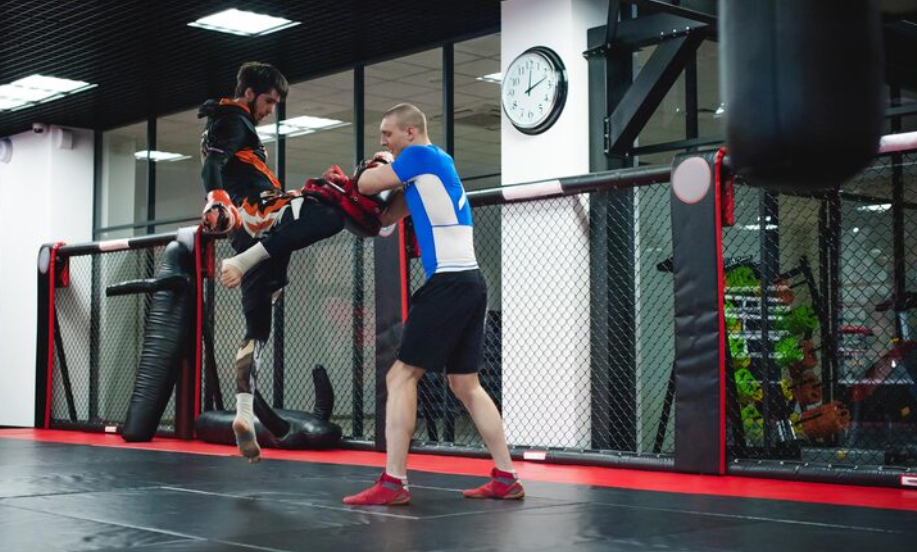
In the past, Canadian-based gyms were known for combining different disciplines of training under one roof. Today, we see them also combining knowledge by bringing together coaches, sports scientists, nutritionists, and analysts under one umbrella. As a result of this collaboration, fighters can leverage their support team’s collective knowledge daily.
The collaborative environment has enabled fighters to learn faster than before. With adjustments made on a timely basis (in response to feedback from a variety of sources), fighters do not have to wait until they lose to make a change or adopt new habits. They continue to evolve with each session and Training period.
Where This Evolution Is Leading Fighters Next
The future direction of Training in Canada will be based on precision, not complexity. Fighters will develop a level of confidence that they understand exactly what type of Training works and when, thanks to clear, measurable results. It is anticipated that the next generation of fighters will have been exposed to these resources since day one.