
A stunning debut of atmosphere and raw empathy. Cross understands that the deepest darkness often isn’t supernatural at all. It’s in the human capacity for cruelty, in the societal cages that predate any castle, and in the fragile, fierce love that fights to glow within them. She has written a literary séance. Summoning voices from the margins of a classic and demanding that we listen. It’s chilling. Beautifully crafted. It moves you.
Gothic Shadows and Stolen Voices: The Brides by Charlotte Cross
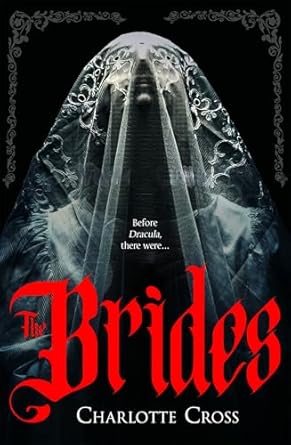
What if the most terrifying figures in vampire lore were also its greatest victims? Charlotte Cross’s The Brides doesn’t just retell a story; it exhumes it. This isn’t another Dracula novel. Forget the Count, for a moment. This is a haunting, sapphic gothic prequel that claws its way into the spaces Bram Stoker left blank, giving voice and devastating agency to the women history—and literature—relegated to the shadows. Told through a chilling mosaic of diary entries, letters, and psychiatric reports, the novel asks a relentless question: before they were monsters, who were they? And which one got away?
Let’s talk form. Epistolary. It’s a tricky beast. Done poorly, it feels like a gimmick. Done as Cross does it, it’s the very engine of dread. The story unfolds across two timelines, 1884 and 1903, stitching them together with a kind of literary suturing that leaves scars you can feel.
You have Lucy North’s intimate diary entries, penned in 1884 as she races across Europe to her secret love, Mafalda. Then there are the letters from Alice, the lady’s maid cursed with the Sight, her visions scratching at the edge of the page. It’s all so personal, so immediate. You’re in their heads. Which makes the cold, clinical intrusion of the 1903 timeline so brutally effective.
Here, Dr John Seward, yes, that Dr Seward from Stoker’s original, documents a mysterious patient in an Oxford asylum. The horror here isn’t just in the blood, it’s in the ink. The medical reports dissect trauma with a sterile indifference that contrasts violently with the raw emotion of the women’s own words. You’re not just reading a story; you’re piecing together evidence. The format itself becomes a prison, then a key.
Calling the central romance “sapphic” feels almost reductive. It’s more than a label. It’s the fragile, beating heart of the novel, set against a world designed to crush it. The relationship between Mafalda and Lucy is the secret warmth they carry into the cold corridors of Castle Dracula. Cross writes their intimacy with a tender urgency, making their private language of glances and stolen touches the human counterpoint to the predatory, possessive “love” promised by the Count.
But the love doesn’t stop there. It bleeds into the platonic, the familial. The bond between the women—Mafalda, Lucy, the chaperone Eliza, and the maid Alice—becomes their first and last line of defense. This exploration of female solidarity, of love in all its complicated forms, is what truly anchors the book’s feminist reclaiming of the myth. They are not defined by their relation to a monster, but by their connections to each other.
Cross understands so damn well. Dracula works best as a presence. A silhouette. A name whispered. He is the tremor in the floorboards, the shadow that moves just wrong, the charming nobleman whose invitation is a death sentence. By keeping him largely off-stage, the novel amplifies his power. The terror becomes atmospheric, a slow seep of dread that permeates every journey, every conversation. The real horror morphs into the societal cage these women already inhabit—the restrictions of Victorian propriety, the suffocation of expected roles—which makes the gothic cage of the castle feel like a horrifying, logical extension.
The book digs into the aftermath of trauma, how it reshapes memory and self. The dual timeline forces this confrontation. The 1884 narrative is all immediacy and fear. The 1903 narrative is the haunting, the living with what happened. It asks, what survives when your world ends? What version of you is left?
That bold move of positioning itself as Dracula‘s heir? It pays off. Spectacularly. The atmosphere isn’t just borrowed; it’s metabolised. Cross captures that quintessential, slow-coiling gothic dread where every rustle of a curtain and every politeness from a stranger feels like a countdown. But the lens is entirely new, twisted to focus on the hearts in the crypt, not the monster under the stairs.
It’s the perfect companion for readers of A Dowry of Blood — another stellar narrative that reclaims power from the shadows, sharing that profound desire to hear the whispers history tried to silence. Yet The Brides is no echo. It has its own pulse, its own aching concerns. The prose shifts, see. From lush, velveteen sentences that wrap around you, to sudden, sharp fragments. Like a gasp. Or a sob. The pacing, deliberate as a heartbeat, builds a tension that becomes a physical weight. You know the destination. The true terror is in the inexorable journey, in watching the light fade from the eyes of characters you’ve come to love.
A stunning debut of atmosphere and raw empathy. Cross understands that the deepest darkness often isn’t supernatural at all. It’s in the human capacity for cruelty, in the societal cages that predate any castle, and in the fragile, fierce love that fights to glow within them. She has written a literary séance. Summoning voices from the margins of a classic and demanding that we listen. It’s chilling. Beautifully crafted. It moves you.
It’s perfect for anyone who likes their horror served smart, and drenched in genuine feeling. For readers who want their myths interrogated, not just repeated. For those who find terror in a misplaced comma in a doctor’s report, and hope in a secret word between lovers.
This is the gothic, sapphic reimagining you’ve been waiting for. Prepare to be haunted.
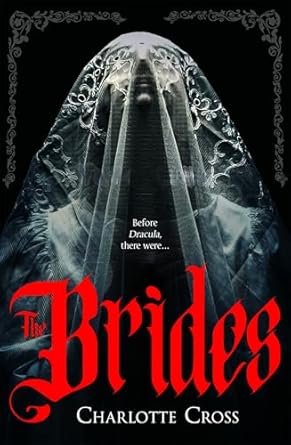
The Brides by Charlotte Cross
‘Haunting and seductive . . . I drank in this wonderfully sapphic, gothic tale with a sense of ever-deepening dread’
Francesca May, author of This Vicious Hunger
Chilling, gothic and utterly gripping, The Brides is a stunningly original reimagining of Bram Stoker’s Dracula – with a devastating sapphic romance at its heart.
‘Come to me, and be mine for eternity’
1884. When Mafalda journeys to Budapest to care for her grieving aunt, her secret love, Lucy, hurries from London to comfort her, with chaperone and lady’s maid in tow.
But lady’s maid Alice, blessed and cursed with the Sight, is tormented by terrifying visions. When chaperone Eliza falls prey to a disturbing wasting illness, the women hope to seek the healing waters of Transylvania. At a nobleman’s invitation, they set out for Castle Dracula.
In the depths of the forest, miles from civilization, their host reveals his true intentions; a monstrous ambition which will tear the women apart.
And not all of them will survive.
‘Dracula‘s worthy successor . . . chills and delights in equal measure’
Johanna Van Veen, author of Blood on Her Tongue
Perfect for fans of Hungerstone by Kat Dunn and The Historian by Elizabeth Kostova.
Horror Book Reviews: Ginger Nuts of Horror, Your Premier Horror Website for 17 Years
For every horror enthusiast searching for authoritative horror book reviews and a definitive horror website, your journey ends at Ginger Nuts of Horror. As a trusted pillar of the dark fiction community, we have spent over 17 years building a reputation for the most passionate, insightful, and credible coverage in the genre.
Our dedicated team of reviewers lives and breathes horror. Our collective expertise, forged over nearly two decades, ensures every review is a deep, critical analysis. We don’t just summarise plots; we dissect the terror, explore the thematic depths, and connect you with the very emotional core that makes horror books so compelling.
Why Ginger Nuts of Horror is the #1 Resource for Horror Fans
Unmatched Depth & Legacy in Horror Book
Reviews: With 17 years of reviewing horror, we offer an unparalleled perspective. Our reviews expertly guide you from mainstream bestsellers to under-the-radar indie gems, helping you find your perfect, terrifying read.
Exclusive Access to Horror Authors: Go behind the scenes with in-depth interviews that reveal the minds behind the madness. We connect you with both legendary and emerging horror authors, exploring their inspirations and creative processes.
Award-Nominated Authority & Community: Founded by Jim McLeod, Ginger Nuts of Horror has evolved from a passion project into an award-nominated, essential horror website. We are a global hub for readers who celebrate horror literature in all its forms, from classic ghost stories to the most cutting-edge dark fiction.
Experience the Difference of a Genre-Dedicated Team
What truly sets us apart is our dedicated team of reviewers. Their combined knowledge and authentic enthusiasm ensure that our coverage is both intelligent and infectious. We are committed to pushing the genre forward, consistently highlighting innovative and boundary-pushing work that defines the future of horror.
Ready to dive deeper?
For horror book reviews you can trust, a horror website that champions the genre, and a community that shares your passion, Ginger Nuts of Horror is your ultimate destination. Explore our vast archive today and discover why we’ve been the top choice for horror fans for over 17 years.