
Why Scary Films Hit Harder When You Have Someone to Scream With
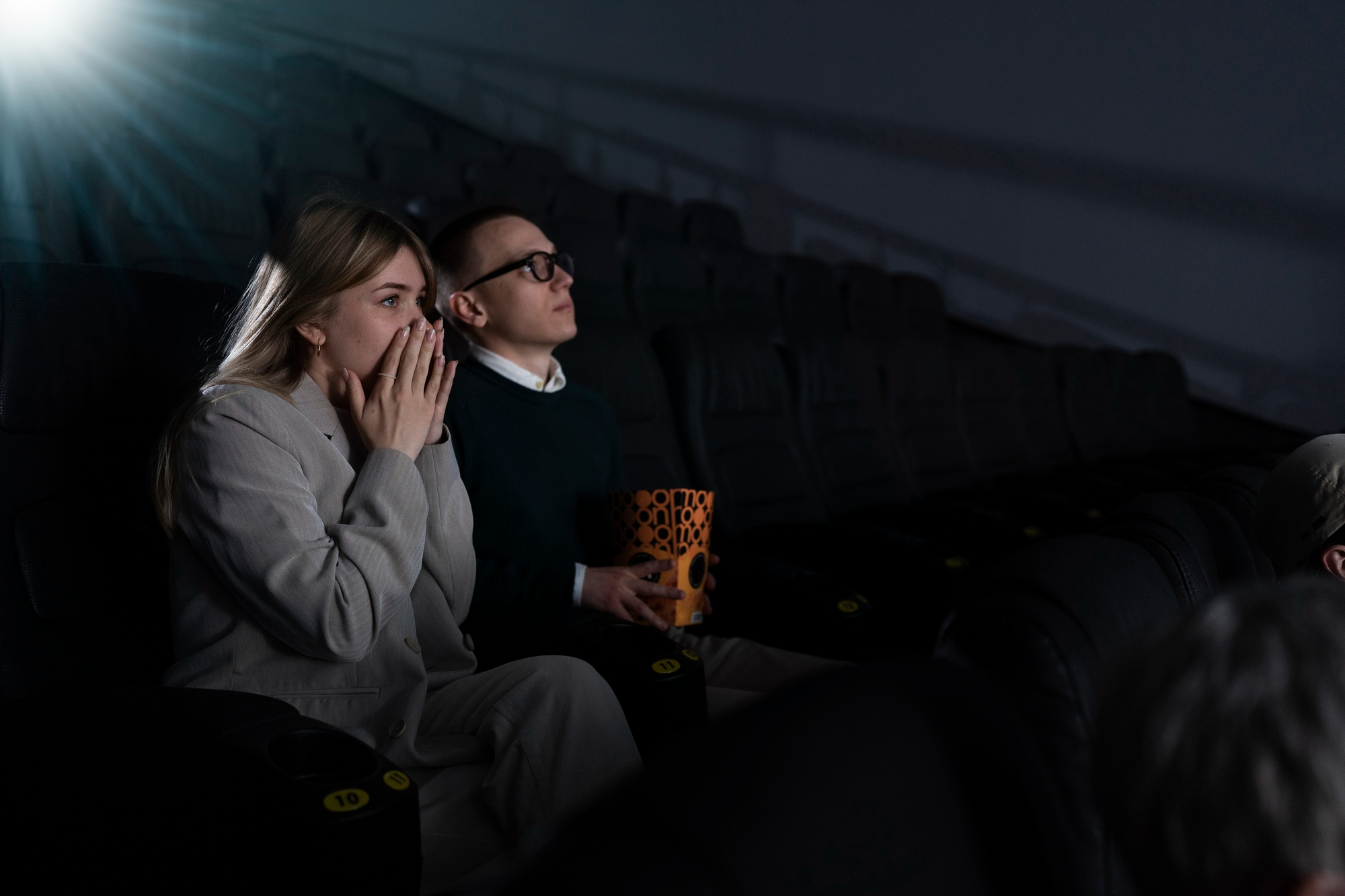
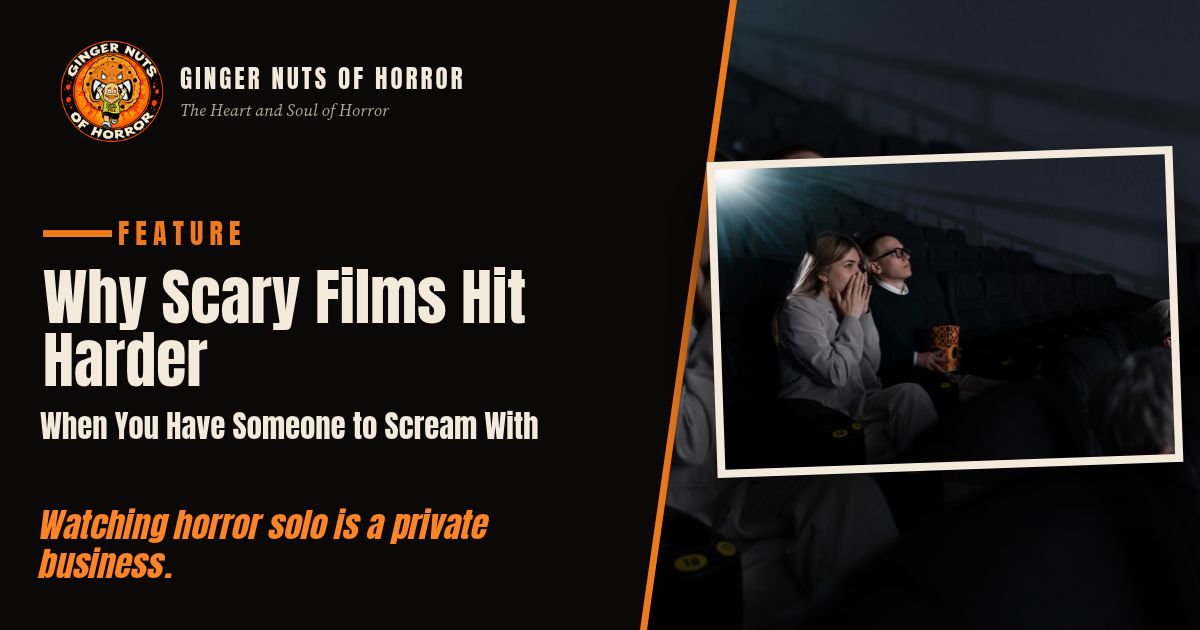
You know the feeling. The lights are off, the volume is up, and something is moving behind a door that should really stay shut. Now picture that exact scene twice. Once alone. Once with a friend squeezing a cushion beside you. Same film, completely different night.
Alone in the Dark Is Not Quite the Same
Watching horror solo is a private business. Every creak is yours to manage. You can pause, check the hallway, mutter at the screen. It’s tense, sure, but it stays contained.
Add one person and the room changes. Their breathing shifts. Their knee twitches. You notice all of it, mostly without trying, and that background noise feeds straight back into your own nerves.
The Chocolate Study That Explains a Lot
Odd place to begin, but stay with me. In 2014, Yale psychologists Erica Boothby, Margaret Clark and John Bargh ran an experiment with chocolate. Twenty-three students tasted a square at the same time as another person, then a second square from the same bar while that person looked at a booklet of paintings. The shared bite won on flavor and likability. Nobody talked. Silent company was enough.
A second experiment used bitter chocolate instead. Shared, it tasted worse. It turns up the volume on whatever you’re already feeling, good or bad. Put a monster on screen and the dial goes up.
Safe Enough to Be Scared
Scientists call it recreational fear: that odd blend of fright and fun you get when you know, deep down, that nothing can actually hurt you. A friend on the sofa is living proof of that safety.
A shoulder to bump, a joke whispered in the dark, and the brain relaxes enough to enjoy the dread. People lean into scenes together that they’d skip alone.
Fear Needs a “Just Right” Zone
Fear alone isn’t the goal. Nobody buys a ticket to feel ill. Researchers at Aarhus University in Denmark fitted 110 haunted-house visitors, aged 12 to 57, with heart monitors and tracked how they felt. Enjoyment followed an upside-down U.
The Contagious Gasp
Think of a packed cinema. Someone three rows down gasps, and half the room flinches before the jump scare even lands. People copy the moods around them all day long, mostly without noticing. In a crowd, fear travels faster than the film does.
With one friend it’s more concentrated. You catch each other. Scream, laugh, scream again.
The Laugh After the Scream
Then comes the best bit. The monster vanishes, the music drops, and you both burst out laughing. That release is half the reason anyone returns for more horror.
Alone, you simply breathe out. Together, you build a story. Years later someone says, “Remember when you threw the popcorn?” and you’re right back on that sofa.
Horror Has Become a Group Sport
The numbers back this up. Comscore data cited by Reuters shows horror took 17% of North American ticket purchases in 2025, up from 11% in 2024 and only 4% a decade earlier. By early September, the genre had already passed $1 billion domestically, earlier in a year than ever before, according to the Associated Press.
Hardly a lonely crowd. Millions of people keep choosing to sit in the dark with strangers and flinch in sync. Sinners alone brought in about $365 million worldwide on a $90 million budget. That tells you something.
When Your Scream Partner Lives Far Away
Not everyone has a friend within couch distance. People move, time zones get in the way, shifts run late. Does the effect vanish? Not entirely. The Yale findings hinge on paying attention to the same thing at the same moment, and that part travels fine over a screen. Nobody has proven the boost is identical online, so treat it as a fair bet rather than a fact.
Hit play on the same second, keep the camera on, and react out loud. A video chat platform such as OMG fun can even link you with someone new who loves the same genre, which beats arguing with spoilers in a comment thread. The end credits turn into a proper conversation.
Small Rituals That Help
A few habits make the effect stronger:
- Choose the film together, so both of you are invested.
- Sit close, or keep cameras on if you’re apart.
- Put the phones away. Checking a feed mid-film quietly unshares the moment, as Boothby has put it.
When It Gets Too Much
Remember the sweet spot. Amplified fear can tip over, and if your friend goes white-knuckled and silent, pause the film. Switch to something lighter. Nobody wins a prize for suffering.
Watch your partner, not just the screen. Good company notices.
Plan a Better Horror Night
A few small choices help. Match the film to the group: slow-burn dread for patient friends, jump-scare popcorn for a noisy crowd. Turn the volume up, turn the lights down, and agree on one rule before starting, such as no spoilers or no phones.
Most of all, choose people whose reactions you enjoy. The film supplies the fear, but the company decides whether that fear turns into a night you’ll talk about for years.
Keep reading on Ginger Nuts of Horror
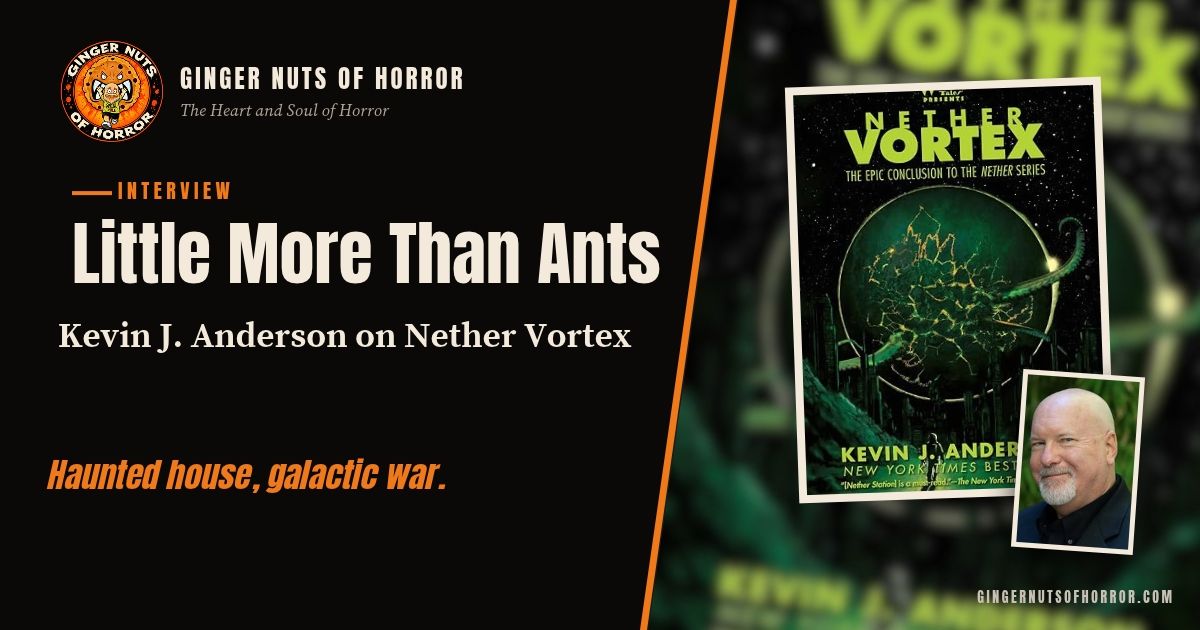 Little More Than Ants: Kevin J. Anderson on Nether Vortex
 Stephanie M. Wytovich Women in Horror
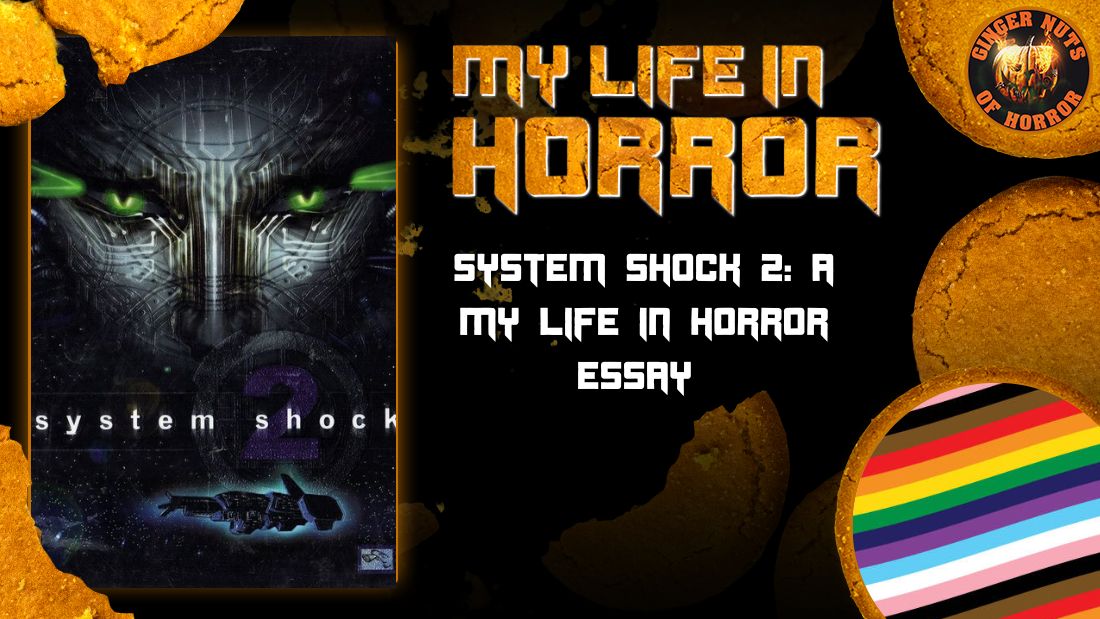 System Shock 2: A My Life in Horror Essay
About Ginger Nuts of Horror
Ginger Nuts of Horror is an independent horror review and culture site based in Edinburgh, Scotland. Edited by British Fantasy Award nominee Jim McLeod, it publishes horror book reviews, film reviews, author interviews, features and cover reveals. Ginger Nuts of Horror won Best Inclusive Film & Book Review Platform at the SME News UK Enterprise Awards 2026.