
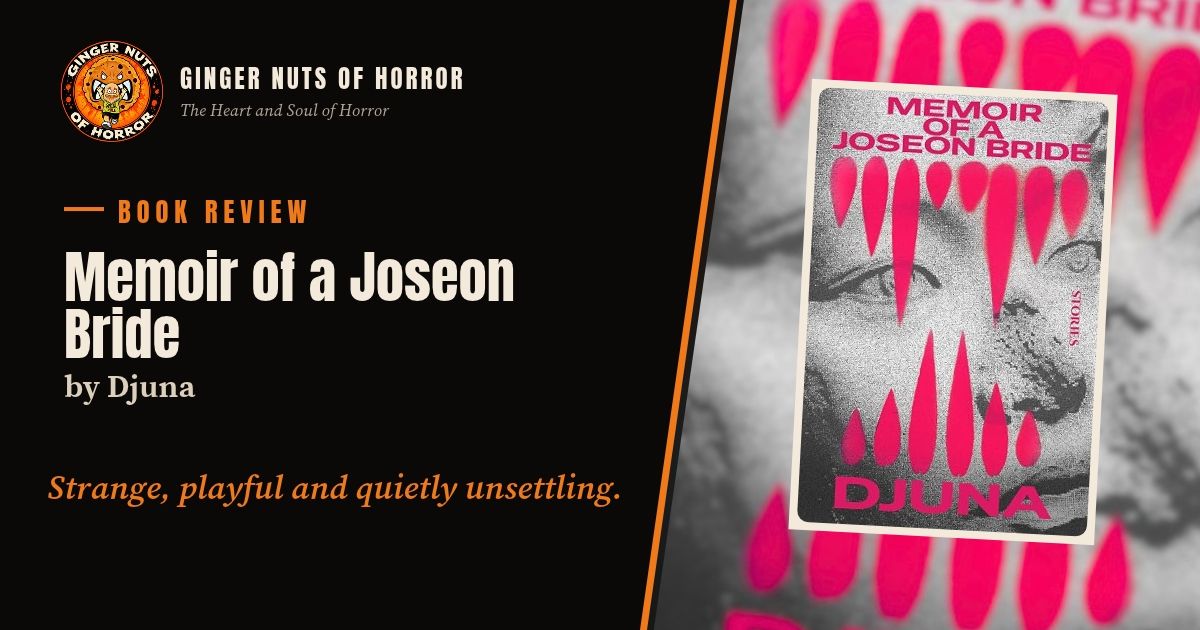
Natalie Wall reviews Djuna’s Memoir of a Joseon Bride, a Korean speculative collection that mixes vampires, zombies and satire with real nerve.
Memoir of a Joseon Bride | Djuna | Honford Star | 30 September 2026 |
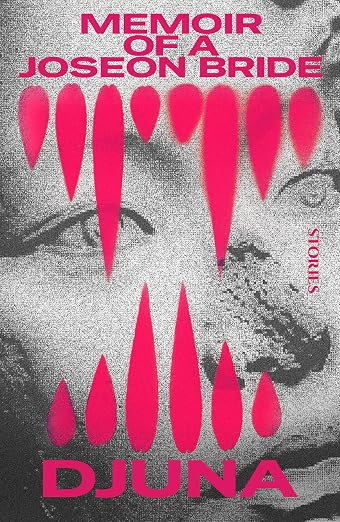
- Author Djuna
- Publisher Honford Star
- Published 30 September 2026
- Pages 274
- Format Paperback, ebook
- ISBN 9781915829443
- Subgenre Speculative horror, science fiction
- Reviewed by Natalie Wall
Eight stories from South Korean writer Djuna take in a vampiric Joseon household, a furry hole in a bedroom floor, a zombie family drama and a fake film that refuses to stay fake.
Memoir of a Joseon Bride is a new story collection from Djuna, the faceless South Korean writer, out now from Honford Star in English. These Djuna short stories run from a vampire tale set in old Korea to robots, zombies and online film fans, and they rarely sit still in one genre for long. Readers who caught our take on Kim Bo-young’s A Plagued Sea will know how much Korean speculative fiction has to give horror fans right now. In this Memoir of a Joseon Bride review for our horror book reviews pages, Natalie Wall looks at a book that values risk over neat endings.
Djuna turns social critique into something uncanny, from a vampiric Joseon household to a fake film that will not stay fake. A few stories tease the mind more than they move the heart, yet even the weaker ones leave an image behind, and the risk-taking is the point.
A Vampire Story That Feeds on Power and Respectability
There is a particular pleasure in encountering a short story collection that feels unlike anything else on your shelves. Memoirs of a Joseon Bride, the first English-language collection from South Korean science fiction writer Djuna, is exactly that kind of book: strange, playful, unsettling, and consistently difficult to categorise. Blending horror, science fiction, fantasy and satire, these stories are united less by genre than by an interest in power, identity, and the often-absurd structures that govern contemporary life.
The opening title story immediately establishes Djuna’s ability to transform social critique into something uncanny in its unique take on a vampire story. Set within the rigid social hierarchies of the Joseon period, it presents aristocratic Confucian masculinity as something vampiric in nature. Rather than depicting power as merely institutional, Djuna suggests it functions through a parasitic relationship, feeding upon the labour and bodies of others. The result is a story that feels both historically grounded and contemporary as it exposes the violence hidden beneath ideals of respectability and social order.
One of the collection’s great strengths is its range as Djuna moves between tones and styles, often within the same story. ‘The Rabbit Hole’ is perhaps the clearest example of this. The story follows a presumed robot companion, perhaps an adult consciousness trapped in a child’s body, who finds a furry hole has opened in their bedroom floor. It is dreamlike and deliberately disorientating as it unfolds in humorous and nightmarish ways. The story refuses any easy interpretation but its images linger long after reading as Djuna demonstrates a remarkable ability to make deliberate ambiguity generate unease rather than frustration.
Elsewhere, familiar genre conventions are reworked in unexpected ways. ‘Where’s Your Dad?’ initially appears to belong to the crowded field of zombie fiction yet quickly reveals itself to be interested in very different questions. Rather than simply focusing on survival or apocalypse, the story uses its undead premise to explore trauma and familial relationships. Djuna finds fresh emotional territory within the genre and produces a story that is moving and unsettling.
For me, however, the standout piece in the collection is ‘Under the Sphinx’. It follows a group of internet film fanatics who create a fake early Hollywood film which then begins to exist in the real world. The story is bizarre and quietly unnerving as it offers a sharp examination of fandom and internet culture. Djuna understands that online spaces produce forms of intimacy that can be genuine yet profoundly strange as relationships between fans and public figures become distorted through digital mediation.
Does Djuna’s Experimentation Always Pay Off?
Throughout the collection, Djuna displays an impressive ability to make the familiar seem alien. Technologies, social structures, and cultural norms are repeatedly estranged, forcing readers to reconsider assumptions they might otherwise take for granted. This does mean that some readers may find the collection uneven as Djuna’s willingness to embrace ambiguity and experimentation occasionally produces stories that feel more intellectually intriguing than emotionally satisfying. Yet even the weaker entries contain ideas or images that linger in the mind. There is a sense throughout that Djuna is far more interested in exploration than neat resolution, and perhaps the collection is stronger for that commitment to risk-taking.
Memoirs of a Joseon Bride is an inventive and often fascinating collection that demonstrates why Djuna has become such an influential figure in Korean speculative fiction and, at its best, it combines intellectual playfulness with the unsettling power of horror and uses both to interrogate history, technology, and human relationships.
The Verdict: Is Memoir of a Joseon Bride Worth Reading?
The verdict
An inventive, unsettling collection whose risks pay off far more often than they fall short.
Read it if: you like horror that bleeds into science fiction, fantasy and satire, and you enjoy stories that leave the door open.
Skip it if: you want every story to resolve neatly and land a big emotional punch.

Consider this Memoir of a Joseon Bride review fair warning: check your bedroom floor for furry holes before lights out, and never trust a classic film nobody can remember being made.
Keep reading on Ginger Nuts of Horror
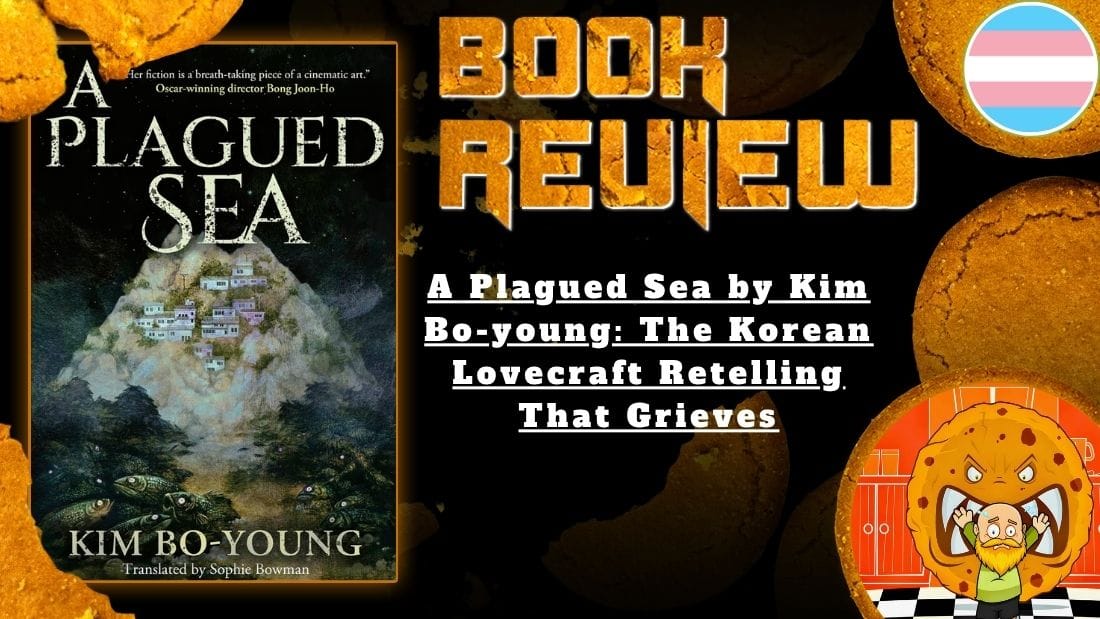 A Plagued Sea by Kim Bo-young: The Korean Lovecraft Retelling That Grieves
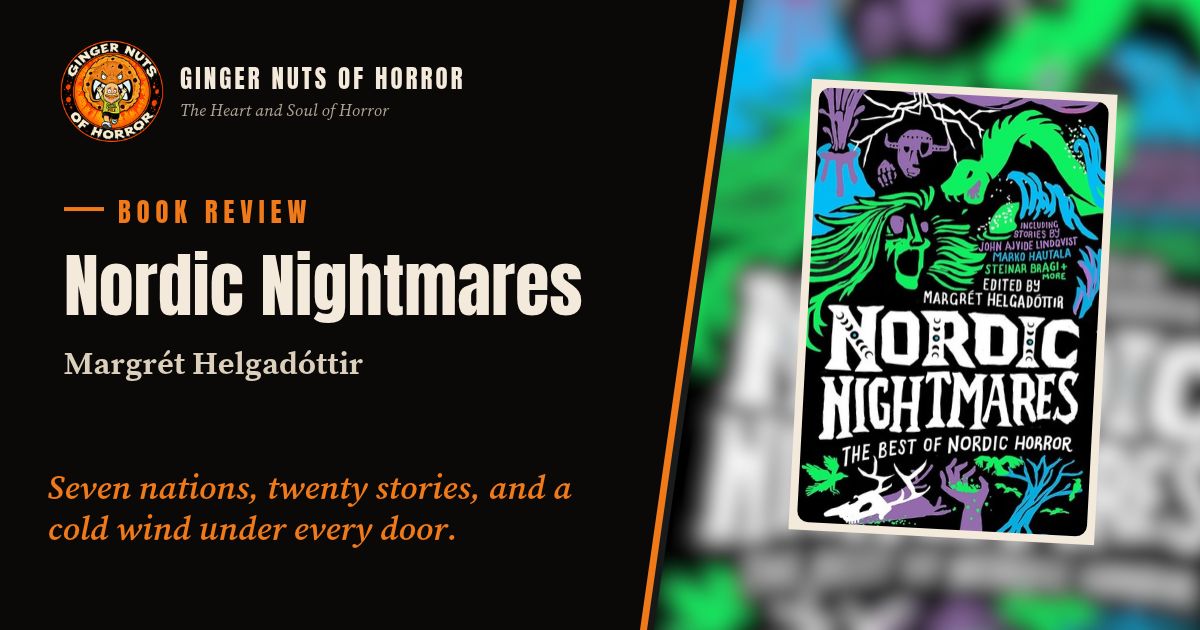 Nordic Nightmares Review: Margrét Helgadóttir’s Terrifying Winter of Fear
 Only the Broken Remain by Dan Coxon – Book Review
About Ginger Nuts of Horror
Ginger Nuts of Horror is an independent horror review and culture site based in Edinburgh, Scotland. Edited by British Fantasy Award nominee Jim McLeod, it publishes horror book reviews, film reviews, author interviews, features and cover reveals. Ginger Nuts of Horror won Best Inclusive Film & Book Review Platform at the SME News UK Enterprise Awards 2026.