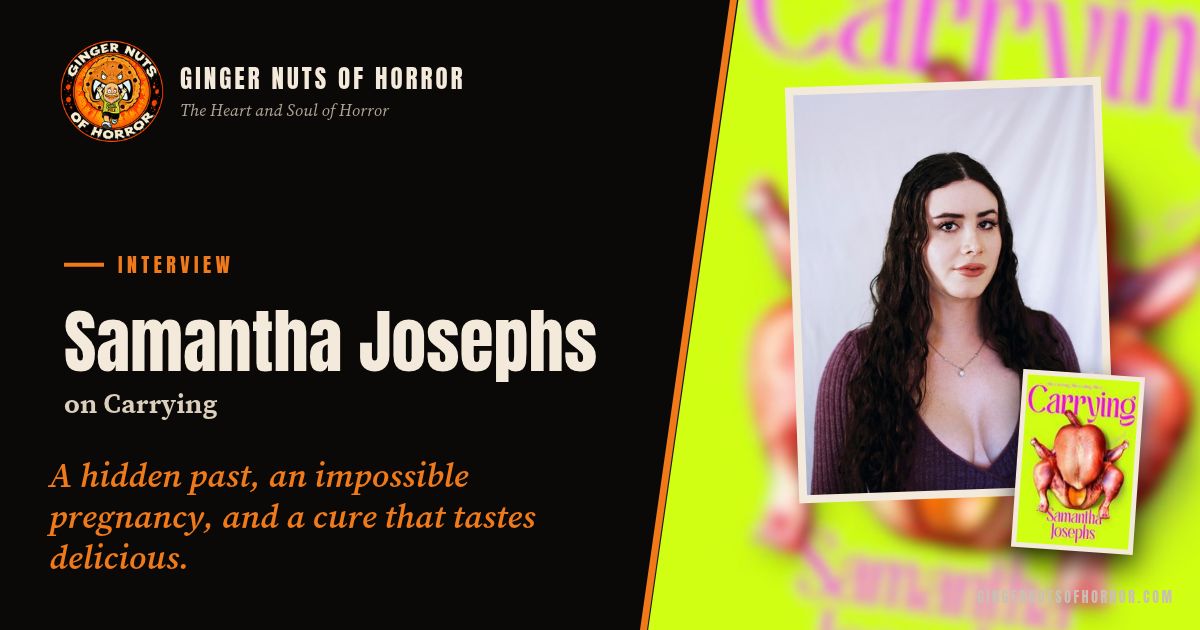
Doing Too Much: Samantha Josephs on Carrying | Interview |
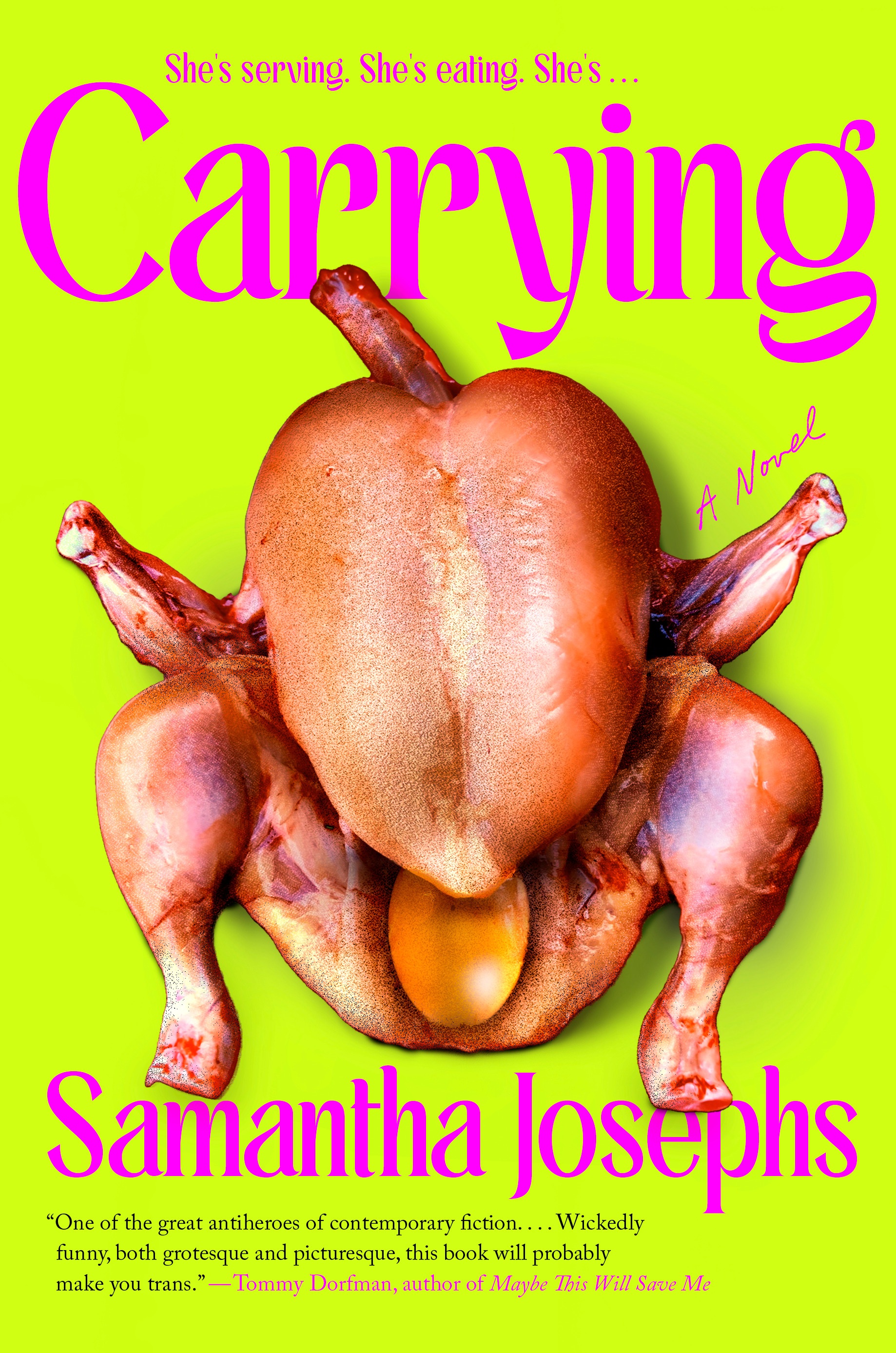
- Author Samantha Josephs
- Publisher G.P. Putnam’s Sons (US), 4th Estate (UK)
- Published 6 October 2026 (US); UK hardback 28 January 2027
- Pages 304
- Format Hardback, ebook, audiobook
- ISBN 9780008789749 (UK hardback)
- Subgenre Trans body horror
Martha, a stealth trans woman in Los Angeles, hides her past from her husband, Leon. Then a nameless illness sends her chasing stranger and stranger cures, and her body does something it never should: it gets pregnant.
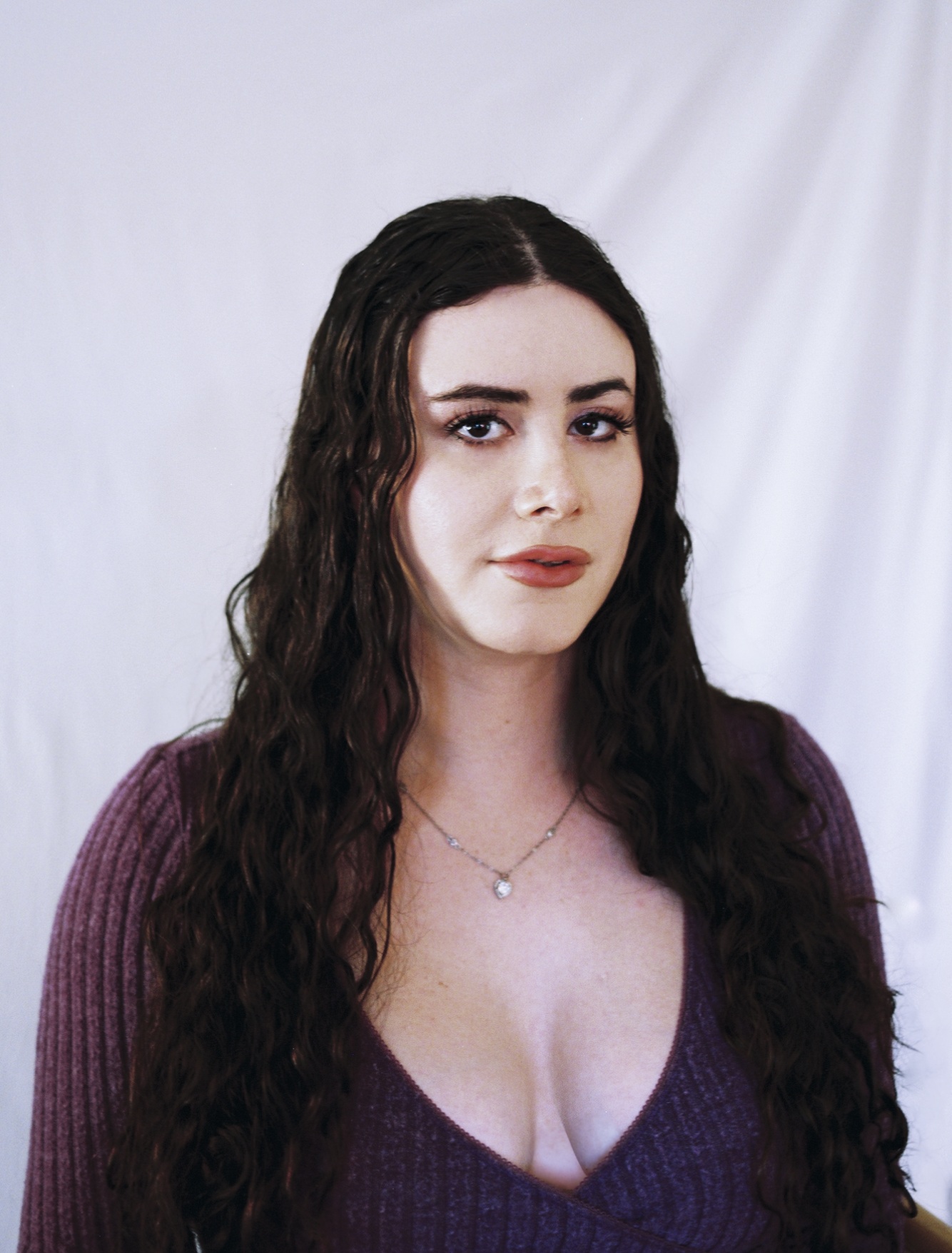
Samantha Josephs’s debut novel, Carrying, opens with a woman faking a miscarriage, and the worst thing about it is how good she is at it. Martha is a stealth trans woman in Los Angeles, so completely passing that her husband, Leon, has no idea, and when a nameless illness sends her chasing stranger and stranger cures, her body does the one thing she has spent years pretending it could. It gets pregnant. I called Carrying the best horror debut in years when I reviewed it, and I meant every word.
Josephs comes to the novel sideways: semi-retired drag queen, USC screenwriting graduate, writer of podcasts, video games and erotica. Every one of those trades shows up in the book’s timing, its appetites and its nerve. It is out from Putnam in the US on 6 October and from 4th Estate in the UK on 28 January 2027, and it has already made the Center for Fiction First Novel Prize shortlist. So I started where Martha does, in the middle of a lie she has told before.
Samantha Josephs wrote Carrying for readers who want the pedal pushed to the metal, not those who scratch their heads at a little blood and gasoline. Passing, she says, brings a terror of its own, the constant fear of being found out, and her horror lives where something looks horrible yet tastes delicious.
Stealth, Cravings and an Impossible Pregnancy: Inside Carrying
Carrying opens with Martha staging a miscarriage, and the horror of the scene isn’t the mess. It’s the rehearsal. She knows exactly how it should go. Which came to you first, the woman who fakes pregnancy loss to protect her secret or the pregnancy that shouldn’t be possible, and how long did those two ideas take to find each other?
Definitely the impossible pregnancy came first. That is truly the core of the story and then everything else was built around that. Who would be the most interesting, iconic trans woman to have this impossible pregnancy? So pretty soon after we get the faked miscarriage.
The title comes out of ballroom, where to carry is to do something so extravagantly well that you flatten the competition, to be too much on purpose. Martha has built her whole life on never being too much. How did you set that ballroom meaning against a woman whose survival depends on being unremarkable, and at what point in the writing did the double meaning announce itself?
Roger telling Martha that she’s “carrying” was in there from the very first draft, but it only became the title much further down the line after a lightbulb moment with many other titles thrown out. In ballroom, there’s a category for realness, where trans women compete on who passes the best. Martha is obviously carrying in that category, but the ballroom reference is also meant to highlight Martha’s isolation. Ballroom is a community event where trans women and queer people come together. Martha has completely cut off all other trans women in her life, but she keeps some of the lexicon in secret.
You keep us in close third person and present tense, pressed right up against Martha without ever letting her narrate herself. For a woman whose existence is one long performance, that feels like a deliberate refusal. What did first person offer that you didn’t want, and what does the present tense do to a character who has spent years trying to bury her past?
I wanted more distance from Martha and to see her from the outside. She’s the performer, I wanted people to watch the performance rather than entirely be inside it. We still get a lot of Martha’s thoughts and feelings in the narration, but from a distance. And I think a lot of the dramatic question and personal experience of the book comes from whether you support Martha’s actions or not.
I didn’t want to hold anyone’s hand and guide them to think either way. I really prefer present tense for any of the blood pumping genres, horror or romance. I think present tense gives the text that thrum of movement that horror really needs to keep you right inside the scene, to have you tasting what Martha’s eating and bleeding when she bleeds.
The novel never gives Martha’s illness a clinical name, and it never reaches for the demon or the cult that pregnancy horror has trained us to expect since Rosemary’s Baby. That restraint is one of the braver things in the book. What did you gain by leaving the cause open, and where did the pressure to explain it come from, if it came at all: an editor, an early reader, or your own nerves?
Bruce does offer an acronym for the illness as Rapid Onset Nutrient Deficiency, but he’s not a doctor. He’s just some guy in a warehouse who has labeled this disease so other people take it more seriously. I knew that not giving exact reasons for this illness would turn a lot of people away, but it just feels more realistic to me. I don’t see how Bruce would be able to find the explanation.
I think people who have never had health issues have a very romantic view of medicine and health, that everything is a neat cause and effect, but anyone who has really had to deal with the medical industrial complex knows things are far blurrier than that and doctors do not know everything. And, as laid out by Angie, there is surely a comparison between the ROND treatments and trans medicine. We do not actually know why people are trans. Maybe it’s prenatal hormone levels, maybe it’s early childhood experiences, ultimately, I don’t really care. What care about is that I am trans and I want the treatments that I want.
Martha’s fellow sufferers find her through TikTok. They recognize her symptoms long before any doctor does and trade cures with total conviction, and you play that community for laughs and for real tenderness at the same time. What drew you to the algorithm as the novel’s midwife, and how much time did you spend inside that online culture of self-diagnosis and home remedy to get its voice right?
I am a complete TikTok addict. I would be incredibly embarrassed to reveal my screentime on that app. And that’s not even including Instagram Reels. I am combining a lot of communities in the warehouse. There’s a spectrum from more grounded chronic illness community who share their pain and are always trying different treatments to pure internet weirdos who I am much more delighted by.
There’s a woman who throws herself down the stairs, another who stings herself with bees, and those two women talking about Lyme disease who say that it is a spiritual intergalactic substance that brings codes from the beginning of time. While it’s easy to laugh at these people and their outlandish views, I find it a lot more interesting to just see what would happen if we did believe them.
Carrying is a book about appetite. There are the perfectly plated dinners Martha puts on the table, and then there are the cravings that get her out of bed after dark, and a cure that begins with meat left to spoil. Food is how she performs wifehood, and it becomes how her body takes her back. How deliberately did you build the novel around eating, and when did you realize the appetites had taken over the manuscript the way they take over Martha?
I absolutely love to cook and bake. I own a blowtorch for crème brûlée and a cast iron weight to get the perfect sear. I’m not messing around. From when I was young, cooking was an early way for me to express my femininity, often in extravagant cakes like I have tattooed on my arm.
And the iconic image of the housewife is always really centered around the kitchen. That’s really her main economic output, feeding her family. For this horror book to tear her down Martha her most vulnerable spots, the master chef had to rot. And I love food writing and descriptions of food, so I wanted to turn that on its head and write about something disgusting that’s somehow completely delicious.
From Drag Stages and Screenplays to a Horror Debut
You’re a semi-retired drag queen, and Martha’s chapters have the timing of someone who has worked rooms that could turn on her at any second. The joke lands, and two sentences later the floor goes. What did the stage teach you about holding an audience between laughter and fear, and which night from that life do you still find yourself writing towards?
One of my favorite parts of drag is the immediate reaction. If you’re doing well, the whole room is transfixed as everyone cheers and gives you a dollar. If you’re not, they stay quiet or talk to their friends or use your number as an opportunity to get a drink. Sometimes I wish I had that while writing to get immediate feedback, but I take those lessons in my writing.
From drag, I learned how to start with a bang, but still pace the number properly. You need to keep building to something bigger and bigger until your fabulous conclusion. I often perform with my friend. We have one routine where we poop on the American flag. I think I’m always writing towards the reaction we got from the audience that night: horror, laughter, disgust, and dollars.
Your writing life before the novel took in podcasts, video games, apps and erotica, and the early responses to Carrying keep calling it erotic and stomach-turning in the same breath. What did writing erotica teach you about how close desire and disgust sit in the body, and how did you use that closeness here?
Erotica is again a very present, blood pumping genre, and one with a very clear goal. Erotica looks to elicit a very specific bodily reaction and if it hasn’t done that, it completely failed. It’s about balancing giving the reader what they want while also keeping it away from them, letting the erotic tension build to an orgasmic conclusion. I feel the same way about horror. I want people to truly feel that disgust in their body, gagging with a pit in their stomach.
You trained in screenwriting at USC, and it shows in how your chapters cut: they tend to end on the line that does the most damage rather than the one that tidies up. Prose gave you something a script never could, which is the inside of Martha’s head. What did you have to unlearn to write a novel, and what made this story one that had to be told on the page rather than the screen?
The first drafts of this novel were very outside Martha. I really wanted her to be a full complete antihero and for readers to fill in the blanks on why she might do this. That was definitely leftover from screenwriting. But then I realized that lead to readers not understanding Martha and what she was doing the way I wanted to, and it was much better to let them in.
Especially when you are writing from a place of marginalization, it’s easy to be misunderstood if you do not explain. I think the novel gives me a great opportunity to give cis readers a place in a trans woman’s head that screenplays don’t offer. Now, I’m excited to announce I am actually working on the screenplay with Tommy Dorfman directing, and that’s the exact trouble I’m having adapting it. I have to find a way for people to really understand Martha without the narration and it’s certainly a challenge.
Where Carrying Sits in Trans Body Horror
Early trade reviews have set Carrying beside Gretchen Felker-Martin’s Manhunt and Alison Rumfitt’s Brainwyrms. In my review I argued that much recent trans horror is about the danger of being seen, and that Carrying comes at the fear from the other side: a life hidden so successfully that the hiding starts to rot. Where does that reading hold for you and where does it miss, and where do you think trans horror goes once the visibility story has been told?
I absolutely love being in the company of Gretchen Felker-Martin and Alison Rumfitt, but I also would actually contextualize this in the larger world of general trans women’s literature with Torrey Peters and Nicola Dinan and many more. Carrying is still absolutely about the danger of being seen, that is what Martha is so carefully running from.
Passing is seen as the goal by many trans women, not just for being seen as who you are, but also that it may promise freedom from the hardships of trans life. As I’ve experienced it myself, I’ve found that passing is also completely stressful and anxiety inducing. While it was hard before when I didn’t pass to not be seen for who I am, there is a new stress in passing and fearing that people will find out. I think trans horror is limitless and has a million places to go still.
The marketing leans on The Substance and John Waters, and Rosemary’s Baby hovers over any pregnancy novel whether it’s invited or not. Those are the comparisons everyone can see. Which horror novel or film shaped Carrying that nobody has named yet, and what did it do to you the first time you met it?
There are many, but I’ll go with Octavia Butler’s Bloodchild and Little Shop of Horrors. Bloodchild is an iconic short story about a peculiar alien pregnancy. The aspect that I think most bled into Carrying are the aliens giving humans these eggs to eat that have a drug-like quality to them. Like leeches who make their bite painless, I love recontextualizing this away from the more obvious horror of the pain of alien pregnancy and imagining a world where it might actually feel great, while still looking horrible.
That obviously shows up with the rotten meat, where it’s actually delicious. Little Shop of Horrors centers on feeding a mystical creature something illicit, although Martha’s creature is her baby, not a talking plant. And Martha deep needs are deeply informed by Audrey. Martha could easily belt out Somewhere That’s Green, her greatest wish a fabulous suburban life with a kind slightly nerdy man.
Building Dread Between the Laughs
The novel changes gear somewhere around its middle, moving from domestic satire with a nasty streak into something far more extreme, and some early readers have admitted the turn caught them off guard. That’s a risky move for a debut. How did you engineer the shift so the second half still feels like the same book, and what did the drafts that got it wrong look like?
That shift was always built in, as was the treatment in the middle that I know loses some readers. On the other hand, reading the reviews from other readers who immediately get it makes me know it was the right move. I want to be catering to the people who want to push the pedal to the metal rather than those who scratch their heads at a little blood and gasoline. I always knew this simply is not a book for everyone and I have no interest trying to tame it. The drafts that got it wrong were actually the ones that were more tepid, and I pushed it much further. In the words of Slayyyter, “Crank it.”
One of the quietest shocks in the book is how easily Martha takes to her treatments. There’s a line weighing the physical pain of changing against the psychological pain of staying the same, and once you’ve read it her calm makes terrible sense. At sentence level, how do you keep the reader more frightened than the character, and how did you stop her composure from draining the fear out of those scenes?
This goes back to the choice to do third person. The tension for the reader actually comes from Martha’s composure during these scenes, watching a pregnant woman giddily to horrible things. It’s like when you all at the screen in a slasher, “Don’t go in the closet!” The horror comes from watching them do something you think they obviously shouldn’t. But yes, ultimately, I think once the trans medicine connection is revealed, it should all become clear. What’s a little gasoline to someone who has had their genitals surgically transformed?
The Fear of Being Read Correctly
Martha’s deepest terror is being read correctly. You’ve just written a novel that exists to be read closely, by strangers, under your own name. What part of Martha, if any, did you find yourself protecting from readers, the way she protects herself from Leon?
I did realize there was an irony for me writing this book. I can’t really be stealth like Martha if I write this trans book, but oh well. So actually the part that I find myself protecting is inherent in this question. I would push back on the language of “being read correctly.” Martha, and myself, and other trans women are women.
I don’t think being seen as a woman is being read “incorrectly.” Martha protects her transness from Leon, because once it is revealed, she will not be seen entirely as the woman that she truly is. I think this aspect may get lost for cis readers, that Leon not knowing Martha is trans, allows her to see her fully for who she is, whereas someone like Roger sees her for a past that she did not choose.
Take the pregnancy away entirely. What else is Martha carrying, and which of those weights do you think she will never be able to set down?
Martha is also carrying the weight and trauma of her birth family. She was raised in a religious transphobic household and lives as an orphan, even though her parents are likely alive. She will never be able to set down the fact that she is motherless and rejected by her mother. That’s why motherhood is so important to her, because she effectively does not have one.
Get the book
Carrying by Samantha Josephs is out now in the US from G.P. Putnam’s Sons, and the 4th Estate UK hardback follows on 28 January 2027.
That wraps our Samantha Josephs interview. If you need us, we’ll be in the kitchen, eyeing the mince at the back of the fridge with a suspicion it has done nothing to earn. There are plenty more conversations in our horror interviews while you decide whether to bin it.
Keep reading on Ginger Nuts of Horror
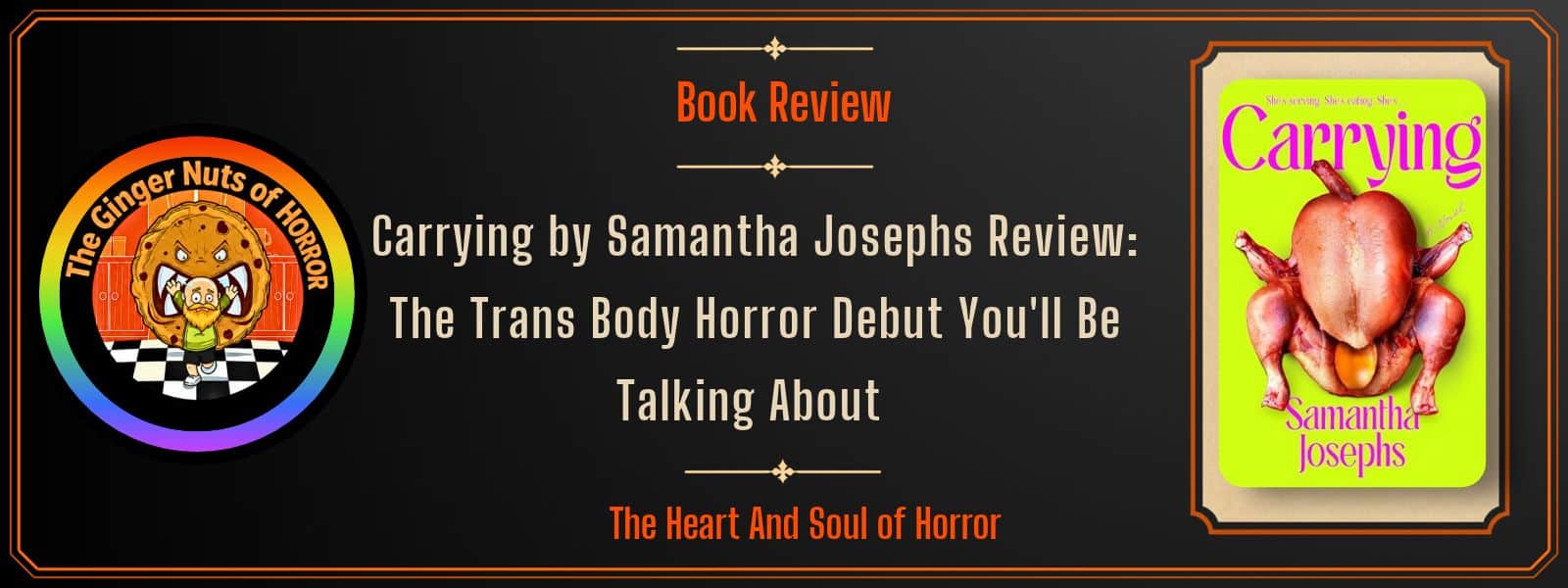 Carrying by Samantha Josephs Review: The Trans Body Horror Debut You’ll Be Talking About
 “He Just Wanted to Be Seen”: Luke Dumas on Cannibal Cravings, the Ozempic Era, and Writing Fat Shame as Body Horror
 Party of a Lifetime by Henry Corrigan: A Queer Body Horror Novel That Puts the Real Monster in the Driveway

About Ginger Nuts of Horror
Ginger Nuts of Horror is an independent horror review and culture site based in Edinburgh, Scotland. Edited by British Fantasy Award nominee Jim McLeod, it publishes horror book reviews, film reviews, author interviews, features and cover reveals. Ginger Nuts of Horror won Best Inclusive Film & Book Review Platform at the SME News UK Enterprise Awards 2026.

Jim "The Don" McLeod has been reading horror for over 35 years and reviewing it for more than 16. He's the editor of Ginger Nuts of Horror, Europe's largest independent horror review and culture site, and a British Fantasy Award nominee for his work in the genre. When he's not busy inflicting his opinions on the horror community, he can be found annoying his family or getting thoroughly outwitted by his two dogs, Casper and Molly.