Posted in

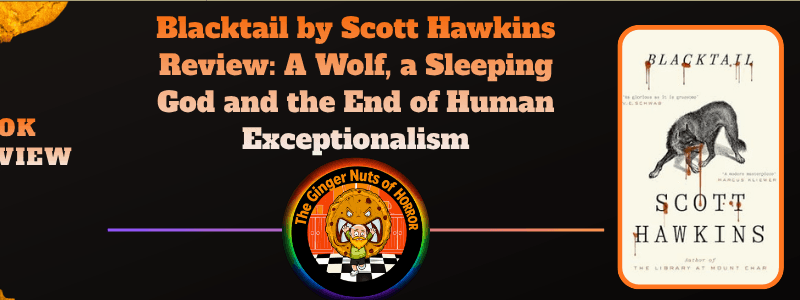
Blacktail by Scott Hawkins Review: A Wolf, a Sleeping God and the End of Human Exceptionalism

Blacktail by Scott Hawkins Review: A Wolf, a Sleeping God and the End of Human Exceptionalism

Scott Hawkins ends an eleven year wait with Blacktail, a folk horror revenge novel told entirely by animals, in which a grieving half-breed wolf sets out to wake a sleeping Forest God and finish off the human race. Our review looks at the language of the Hunt, the squirrel death cult of Car, and why this eco-horror odyssey earns every one of its five stars.

Posted in

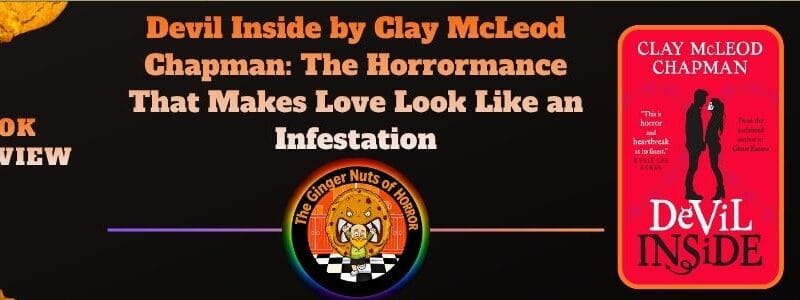
Devil Inside by Clay McLeod Chapman: The Horrormance That Makes Love Look Like an Infestation

Devil Inside by Clay McLeod Chapman: The Horrormance That Makes Love Look Like an Infestation

Clay McLeod Chapman’s Devil Inside is a horrormance in the fullest sense: a demonic possession horror novel that treats its love story with total seriousness and is all the more frightening for it. Jordan died for two and a half minutes. Lilith has never had a body of her own. Our five star review of one of the boldest horror romance books of 2026.

Posted in

Jockula by Gayle Ramage: Scottish Vampire Horror with Bite and Laughs

Jockula by Gayle Ramage: Scottish Vampire Horror with Bite and Laughs

Jack Rushton is a thirty-nine-year-old vampire who just wants to be left alone with his Radio 4 comedies and his unrequited crush. Instead, he’s been blackmailed by a six-hundred-year-old vampire queen, hunted by a clueless anti-vampire collective, and his teenage sister is developing migraines that might be something far worse. Gayle Ramage’s Jockula is a darkly comic Scottish vampire horror that earns both halves of that descriptor.

Posted in

Archival Anxiety in Documentary and Mockumentary Horror by Kristopher Woofter

Archival Anxiety in Documentary and Mockumentary Horror by Kristopher Woofter

Kristopher Woofter’s Archival Anxiety in Documentary and Mockumentary Horror offers a heady intellectual investigation into how films like Ghostwatch, Lake Mungo, and Unfriended capture our cosmic fears of the uncapturable. This academic study traces the genre’s evolution from gothic epistolary novels to screenlife horror, examining our fraught relationship with the cameras that document our lives—and our deaths.