The Horror of Being Chosen: From ‘The Lottery’ to the Reaping
Horror usually needs a reason. The monster wants revenge, the house remembers a crime, the curse follows a broken rule. But one of the genre’s most disturbing devices has no reason at all. Someone draws a slip of paper, a name is read out, and a life ends. No guilt, no sin, no escape. Just the draw.
Shirley Jackson Starts the Ritual
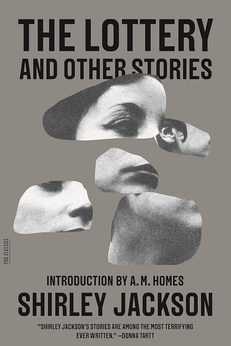
When The New Yorker published Shirley Jackson’s “The Lottery” in June 1948, readers were furious. The magazine received hundreds of letters, some cancelled their subscriptions, and many wanted to know where these lotteries were held so they could go and watch. Jackson later said it was the most mail she ever received about anything.
The story itself is almost gentle for most of its length. A village of around 300 people gathers on a bright June morning. Children collect stones. The men draw slips from a battered black box that nobody wants to replace, because tradition is tradition. Only at the end does the black spot land on Tessie Hutchinson, and the reader realises what the stones were for.
What makes it work is how ordinary everyone is. Nobody in the village is a monster. They’re neighbours doing what they’ve always done. The horror isn’t the killing. It’s the shrug.
Borges and the Lottery That Ate the World
Seven years earlier, Jorge Luis Borges had taken the same idea in a stranger direction. In “The Lottery in Babylon” (1941), a simple game of chance slowly expands until it governs everything: rewards, punishments, prison, death. By the end, nobody can tell whether the lottery still exists or whether chance itself has simply become the law.
It’s less a scare than a slow chill. Borges asks what happens when a society hands its moral choices over to randomness, and the answer is that people stop asking whether anything is fair.
The Reaping and the Class Trip
Modern dystopian horror has kept the draw at the centre. In Koushun Takami’s Battle Royale (1999), a school class is chosen by the state to fight to the death. In Suzanne Collins’ The Hunger Games (2008), the Reaping draws children’s names from a glass bowl, and the entire plot turns on the moment Primrose Everdeen’s name is read aloud.
Both books understand what Jackson knew. The selection scene is the scariest part, more frightening than the violence that follows, because it’s the moment the reader realises it could have been anyone. Collins even builds in the cruelty of weighted odds: the poorest children enter their names more times in exchange for food.
Why Random Selection Terrifies Us
Most horror lets us keep a comforting rule in our heads. Don’t go into the basement. Don’t read the book aloud. Don’t split up. The draw takes that away. You can be kind, careful and blameless, and still be chosen.
It also turns the community into the threat. In every one of these stories the selection is public and ceremonial, watched by friends and family who either can’t or won’t stop it. The ritual makes the violence feel normal, and that is far scarier than any creature in the woods.
The Draw, Flipped
Step outside the fiction and the draw is one of the most cheerful rituals we have. A weekly lottery uses exactly the same mechanism as Jackson’s black box, numbers selected at random with no regard for who deserves what, but the person chosen gets a cheque instead of a stone. Real winner stories are full of shock and tears, just not the kind found in horror stories.
That contrast is part of why the device still works. We know the draw as something hopeful. While horror asks us to imagine the same ceremony, the same crowd, the same name being read out, and a very different prize.
Keep reading on Ginger Nuts of Horror
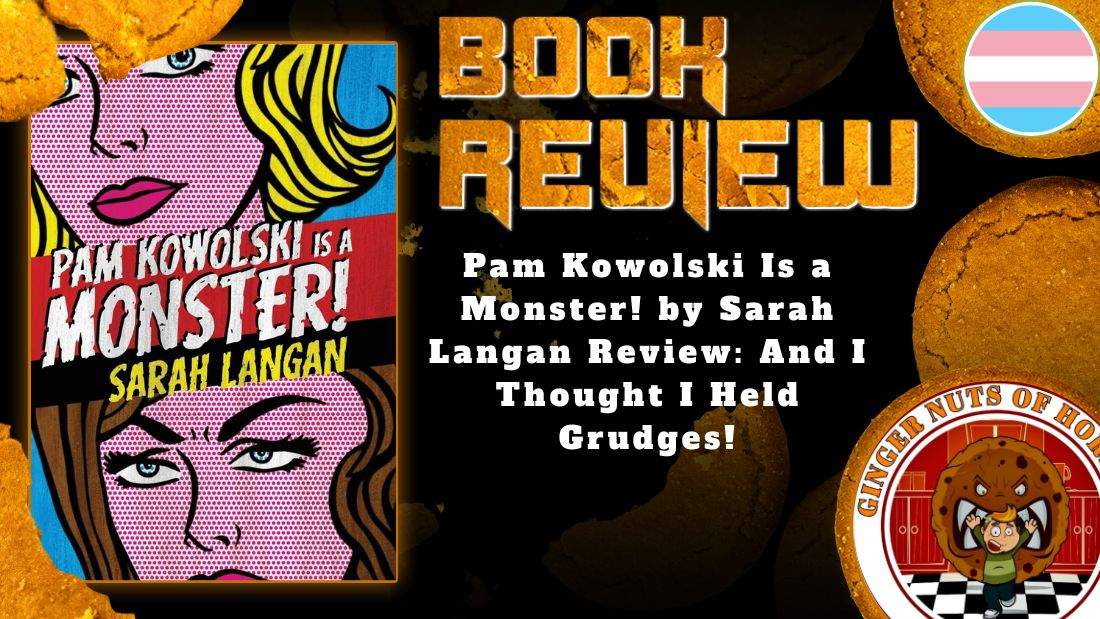 Pam Kowolski Is a Monster! by Sarah Langan Review: And I Thought I Held Grudges!
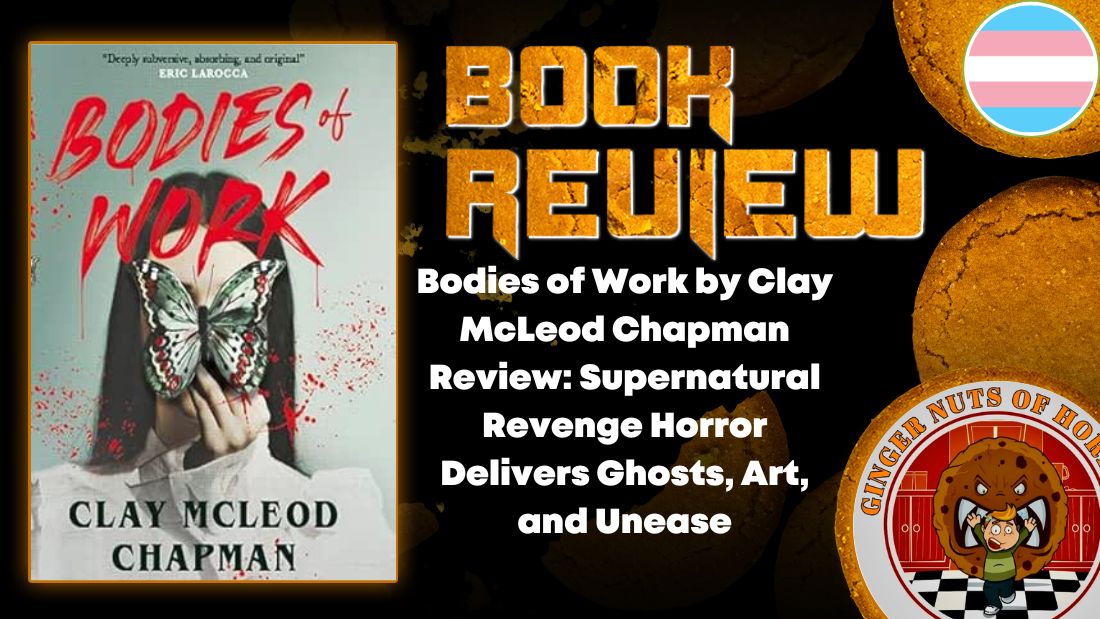 Bodies of Work by Clay McLeod Chapman Review: Supernatural Revenge Horror Delivers Ghosts, Art, and Unease
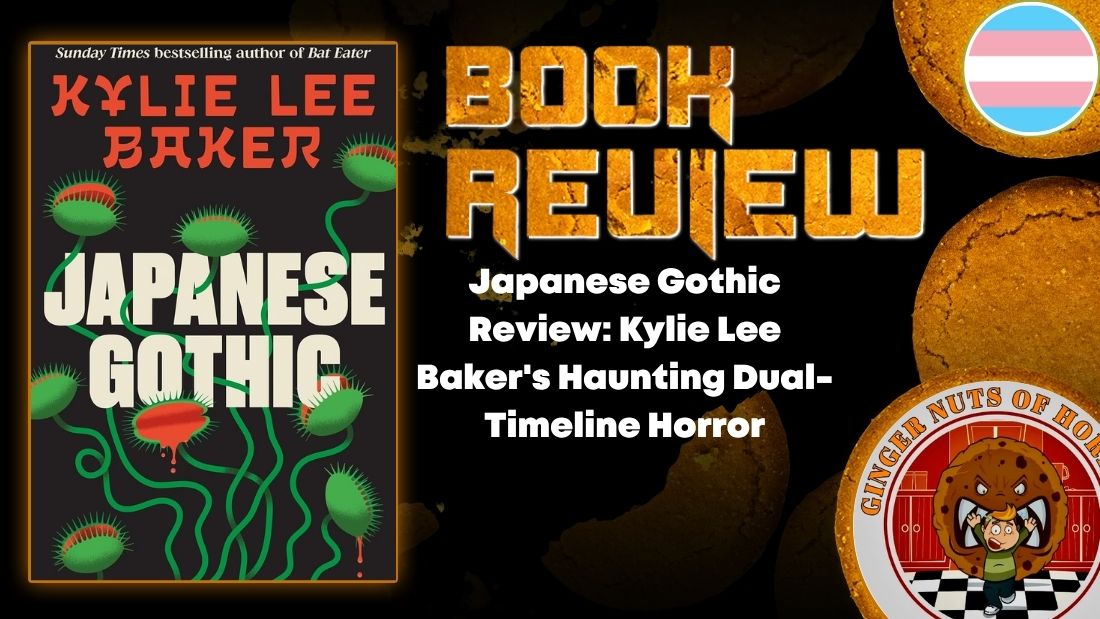 Japanese Gothic Review: Kylie Lee Baker’s Haunting Dual-Timeline Horror
About Ginger Nuts of Horror
Ginger Nuts of Horror is an independent horror review and culture site based in Edinburgh, Scotland. Edited by British Fantasy Award nominee Jim McLeod, it publishes horror book reviews, film reviews, author interviews, features and cover reveals. Ginger Nuts of Horror won Best Inclusive Film & Book Review Platform at the SME News UK Enterprise Awards 2026.